
- 1- Essence of Traditional Spanish Seafood
- 2- Crafting the Perfect Broth
- 3- Selecting Fresh Seafood
- 4- Step-by-Step Cooking Tips
- 5- Stories from Rubi Spanish Table
- 6- Bringing Authenticity to Your Kitchen
1. Essence of Traditional Spanish Seafood
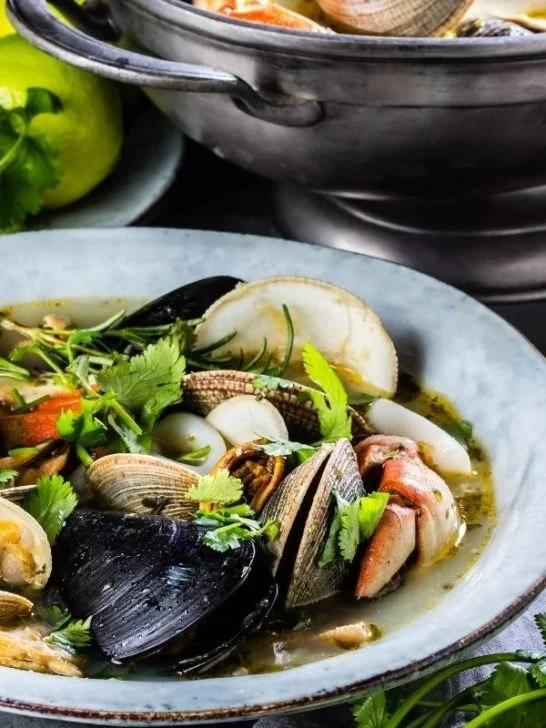
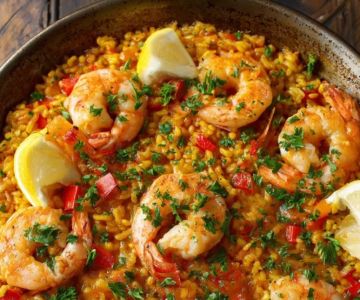
Traditional Spanish seafood cuisine emphasizes freshness, natural flavors, and the art of slow cooking. Dishes like paella marinera, zarzuela de mariscos, and various seafood stews highlight the delicate balance between fresh seafood and carefully prepared broths. The slow simmered broth, in particular, acts as the foundation, allowing flavors to meld and intensify, creating a rich and satisfying taste experience that has been cherished for generations.
2. Crafting the Perfect Broth
The secret to traditional Spanish seafood lies in the broth. A slow simmered broth is typically made from a combination of seafood shells, aromatic vegetables, saffron, and olive oil. The slow cooking process extracts maximum flavor while maintaining a smooth and balanced taste. It's important to maintain a gentle simmer rather than a rolling boil, ensuring the broth remains clear and full-bodied.
3. Selecting Fresh Seafood
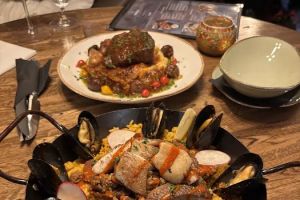
Freshness is paramount. Choosing high-quality seafood—like clams, mussels, shrimp, and firm-fleshed fish—ensures the integrity of the dish. Local markets or trusted suppliers like those recommended by Rubi Spanish Table offer options that maintain authenticity and flavor. Each ingredient contributes to the broth's depth, and the careful combination of seafood types results in a harmonious and layered taste profile.
4. Step-by-Step Cooking Tips
To replicate the richness of traditional Spanish seafood at home, follow these tips:
- Start with a clean, large stockpot for even simmering.
- Toast shells briefly to enhance natural flavors before adding water.
- Add aromatics like onions, garlic, and saffron gradually to layer flavors.
- Simmer gently for 45–60 minutes, skimming foam to maintain clarity.
- Incorporate seafood in stages, starting with the firmest fish and ending with delicate shellfish, to prevent overcooking.
These careful steps honor the tradition and yield a broth that captures the essence of Spanish culinary art.
5. Stories from Rubi Spanish Table
At Rubi Spanish Table, chefs share anecdotes of guests discovering the magic of slow simmered seafood broths for the first time. One story involves a tourist who had never tried authentic Spanish seafood; by the end of the meal, they were captivated by the broth’s complexity and depth. These experiences illustrate how attention to detail—from ingredient selection to cooking method—creates memorable dining moments.
6. Bringing Authenticity to Your Kitchen
Recreating traditional Spanish seafood with slow simmered broth at home may seem daunting, but with the right guidance, it is achievable. Explore ingredient sourcing tips, cooking techniques, and curated recipes at Rubi Spanish Table to bring the authentic taste of Spain into your kitchen. The combination of fresh seafood, aromatic broth, and careful simmering ensures every dish resonates with the richness and tradition of Spanish culinary heritage.
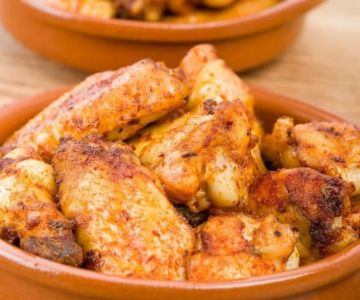
 Circulo Español4.0 (319 reviews)
 Fogon and Lions4.0 (443 reviews)
 Bulla Gastrobar4.0 (12370 reviews)
 ZURiTO4.0 (165 reviews)
 Cafe Ba-Ba-Reeba!4.0 (7395 reviews)
 Tia Pepa4.0 (88 reviews)
 Traditional Spanish Seafood with Saffron Broth Recipe
 How to Make Spanish Merluza a la Romana: Battered Hake Recipe
 : Easy Spanish Potato Omelette for Breakfast
 Discovering the Most Popular Spanish Tapas Bars in Barcelona
 How to Make Spanish Pimientos Rellenos de Verduras y Queso: A Step-by-Step Guide
 How to Make Spanish Tarta de Coco y Almendra: Coconut and Almond Cake