

Spanish Octopus Recipe (Pulpo a la Gallega) Step by Step
Pulpo a la Gallega, also known as Galician-style octopus, is a traditional Spanish dish that showcases the tender texture of octopus, combined with simple yet flavorful ingredients. This dish is especially popular in the Galicia region of Spain, where it’s often served as a tapa (small appetizer) or as a main dish. In this guide, we will walk you through the steps of preparing this iconic Spanish dish, including the essential ingredients and techniques to ensure that your octopus is cooked to perfection.
- 1. Ingredients for Pulpo a la Gallega
- 2. Preparing the Octopus
- 3. Cooking the Octopus
- 4. Assembling the Dish
- 5. Tips for Perfect Pulpo a la Gallega
1. Ingredients for Pulpo a la Gallega
Before starting, make sure you have the following ingredients on hand:
- 1 whole octopus (about 2-3 pounds, fresh or frozen)
- Sea salt (to taste)
- Smoked paprika (pimentón)
- Extra virgin olive oil
- Boiling water
- Optional: Fresh parsley for garnish
Smoked paprika is a key ingredient in this dish, as it adds a deep, earthy flavor that complements the tender octopus perfectly. You can use either sweet or spicy paprika, depending on your preference.
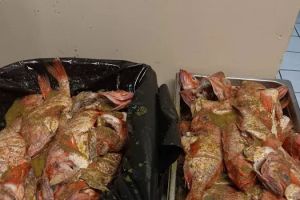
El Tipico Frictufinas
WorcesterWorcester CountyMassachusetts
296 Pleasant St, Worcester, MA 01609, USA
2. Preparing the Octopus
If you're using frozen octopus, allow it to thaw in the refrigerator overnight. Freezing the octopus before cooking helps to tenderize the meat. Once thawed, rinse the octopus under cold water to remove any dirt or impurities. You may also want to remove the beak and eyes, depending on your preference, though this is often done by the fishmonger.
3. Cooking the Octopus
In a large pot, bring enough water to a boil to submerge the entire octopus. Add a pinch of sea salt to the water. Once boiling, reduce the heat to medium-low and gently place the octopus in the pot. Allow it to simmer for about 40-45 minutes, or until the octopus becomes tender when pierced with a fork.
To ensure the perfect texture, it’s important to not overcook the octopus. If you’re unsure of the timing, it’s better to check the tenderness every 5 minutes after the initial 40 minutes.
4. Assembling the Dish
Once the octopus is cooked, remove it from the pot and allow it to cool slightly. After it has cooled enough to handle, slice the octopus into 1-inch rings. Lay the sliced octopus onto a plate, drizzle with a generous amount of extra virgin olive oil, and sprinkle with sea salt and smoked paprika. Garnish with fresh parsley if desired.
For an added touch, some people like to serve Pulpo a la Gallega with boiled potatoes, which can absorb the delicious olive oil and paprika flavors.
5. Tips for Perfect Pulpo a la Gallega
Here are a few additional tips to ensure your Pulpo a la Gallega turns out perfectly:
- Use high-quality olive oil: A good extra virgin olive oil enhances the flavor of the dish. Choose one with a fruity and slightly peppery flavor.
- Check the octopus for tenderness: The octopus should be tender enough to easily pierce with a fork but not mushy. Adjust the cooking time as necessary.
- Serve with a side of boiled potatoes: If desired, serve the octopus with simple boiled potatoes to complement the dish.
- Experiment with spices: Some recipes call for a dash of garlic powder or lemon juice for added depth, but stick to the traditional smoked paprika for the authentic flavor.
Now that you’ve learned how to prepare this classic Spanish dish, you can enjoy a taste of Galicia from the comfort of your own home. If you’re looking for more authentic Spanish ingredients or cooking tools, be sure to check out Rubi Spanish Table for the best selections available!


 Equis Pica Pollo Fulton4.0 (40 reviews)
 My Coral4.0 (65 reviews)
 Sayola Restaurant4.0 (472 reviews)
 Casa de Raku4.0 (47 reviews)
 El Agave Bar Lounge Restaurant- YONKERS4.0 (14 reviews)
 Circulo Español4.0 (319 reviews)
 Traditional Spanish Seafood with Saffron Broth Recipe
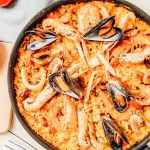
 Traditional Spanish Seafood and Tomato Rice: A Delicious Culinary Experience
 The Best Spanish Food Blogs to Follow in 2025
 The Best Spanish Restaurants in Phoenix for Authentic Mediterranean Cuisine
 The Best Spanish Restaurants in Phoenix
 How to Make Spanish Tarta de Almendras: Classic Almond Cake Recipe