The Best Spanish Food Blogs to Follow in 2025
- 1. Why Follow Spanish Food Blogs?
- 2. Top Spanish Food Blogs to Follow in 2025
- 3. How to Find Authentic Spanish Recipes
- 4. Why Spanish Cuisine is a Global Favorite
- 5. Where to Find Spanish Food Products Near You
1. Why Follow Spanish Food Blogs?
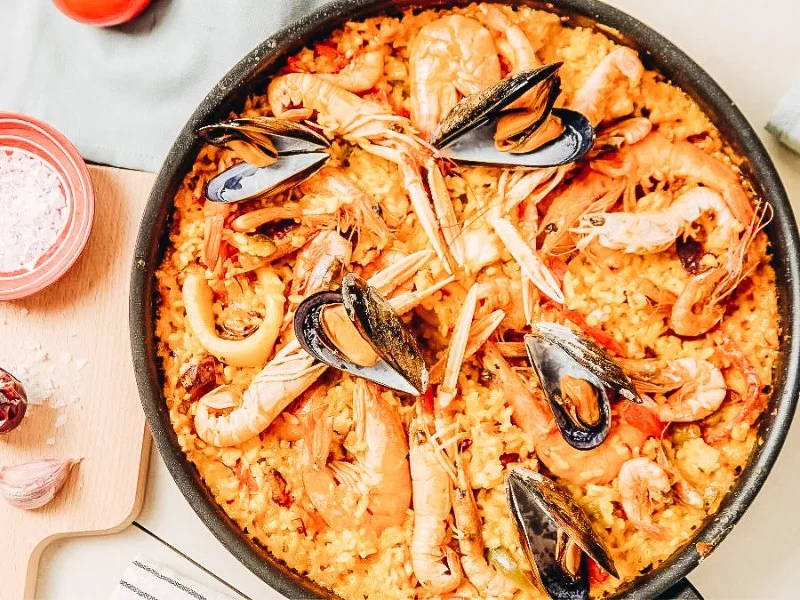
Spanish cuisine offers a rich variety of flavors, textures, and ingredients that are deeply rooted in the country’s culture and history. From tapas and paella to regional specialties and traditional sweets, Spain’s food culture is both diverse and mouthwatering. By following Spanish food blogs, you gain access to authentic recipes, cooking tips, and insights into Spain’s culinary traditions. These blogs often provide the perfect combination of food knowledge, travel inspiration, and the joy of cooking, making them an excellent resource for anyone passionate about Spanish food.
2. Top Spanish Food Blogs to Follow in 2025
Whether you're looking for recipes to cook at home or simply want to learn more about Spain’s vibrant food scene, the following Spanish food blogs are some of the best to follow in 2025:
2.1. My Kitchen in Spain
Run by food writer and culinary expert, Valentina Vella, this blog provides an in-depth exploration of Spanish home cooking. It features authentic recipes, tips on using traditional Spanish ingredients, and stories that connect the food to the local culture. Valentina’s blog is a great resource for anyone looking to dive deep into the flavors of Spain, especially with her detailed explanations of the regional differences in Spanish cuisine.
2.2. Spanish Sabores
Lauren Aloise, the founder of Spanish Sabores, brings readers closer to the heart of Spain with her combination of travel and food experiences. The blog features an array of Spanish recipes, from the iconic paella to lesser-known regional dishes. Additionally, Spanish Sabores offers a wealth of tips on Spanish food culture and culinary traditions, perfect for anyone looking to explore Spain’s culinary delights.
2.3. La Cocina de Babel
This blog is an ideal follow for those interested in Mediterranean and Spanish fusion cuisine. La Cocina de Babel is run by Rosa Liarte, who shares her passion for Spanish cooking with a modern twist. The blog includes creative takes on classic dishes, making it an excellent source for new ideas for your next Spanish-inspired meal.
2.4. The Spanish Chef
Jose Pizarro, a well-known Spanish chef, runs this blog to share his knowledge of Spanish cooking with the world. The Spanish Chef focuses on simple, delicious recipes that showcase the authentic tastes of Spain. With easy-to-follow recipes and a focus on fresh, quality ingredients, this blog is perfect for both novice and experienced cooks looking to explore Spanish flavors.
2.5. Eat Spain Drink Spain
This blog covers all things Spanish food and wine. From in-depth explorations of regional specialties to the best wine pairings for tapas, Eat Spain Drink Spain is a comprehensive guide for anyone interested in Spanish culinary culture. It’s the perfect resource for food lovers who want to explore Spain’s diverse food landscape.
3. How to Find Authentic Spanish Recipes
Finding authentic Spanish recipes online can be challenging, but several resources, including the blogs mentioned above, ensure that you’re following traditional methods. Here are a few tips for identifying authentic Spanish recipes:
3.1. Look for Regional Specialties
Each region of Spain has its own unique dishes, and a truly authentic recipe will often reference the specific region it comes from. For example, look for references to Valencia when making paella or mentions of Galicia for seafood dishes. Regional specificity is a good indicator of authenticity.
3.2. Seek Out Traditional Techniques
Authentic Spanish cooking often involves traditional techniques like slow-cooking, roasting, and using fresh local ingredients. If a recipe emphasizes these methods, it’s more likely to be an authentic representation of Spanish food.
3.3. Use Trusted Food Blogs
As mentioned earlier, reputable Spanish food blogs by local chefs and food writers are great sources of authenticity. These experts often share family recipes passed down through generations or time-honored cooking methods, ensuring you get the most genuine experience of Spanish cuisine.
4. Why Spanish Cuisine is a Global Favorite
Spanish cuisine has gained worldwide popularity for its use of fresh, high-quality ingredients and simple yet bold flavors. It’s the perfect balance between healthy Mediterranean ingredients like olive oil, seafood, and vegetables, and rich, satisfying comfort foods like paella and tapas. The emphasis on sharing food and dining with loved ones also creates a communal, enjoyable experience that resonates across cultures.
5. Where to Find Spanish Food Products Near You
If you’re ready to recreate these delicious Spanish recipes, you’ll need the right ingredients. You can find quality Spanish products at local specialty stores or online retailers. For a curated selection of Spanish foods, check out Rubi Spanish Table, where you can find a wide range of ingredients from authentic olive oils to artisan cheeses and wines. Whether you're looking for a specific Spanish spice or a ready-made dish, Rubi Spanish Table offers everything you need to make your Spanish culinary adventure a success.
 Ratata Chimi4.0 (28 reviews)
 Brisa Marina Corp.3.0 (27 reviews)
 mfk. Restaurant4.0 (408 reviews)
 Tablao Wine Bar & Restaurant4.0 (623 reviews)
 La Feria4.0 (1167 reviews)
 La Vara4.0 (860 reviews)
 The Best Spanish Restaurants in Phoenix for Gourmet Spanish Cuisine - Rubi Spanish Table
 How to Make Spanish Pimientos Rellenos de Atún y Verduras: Tuna and Vegetable Stuffed Peppers
 Exploring Spanish Tapas That Pair Perfectly with Spanish Wines
 A Guide to the Most Popular Spanish Cheeses and Their Uses
 How to Make Spanish Croquetas de Espinacas y Queso: Step-by-Step Guide
 How to Make Spanish Pollo al Chilindrón con Jamón: Chicken with Peppers and Ham