Getting to Know Crema Catalana
Learning how to make Spanish Crema Catalana begins with understanding where this dessert comes from and why it holds such a special place in Catalan cuisine. Crema Catalana is often considered one of Europe’s oldest custard desserts, traditionally served in Catalonia on special occasions and family gatherings.
Unlike many baked custards, this Catalan custard dessert is cooked gently on the stovetop. The result is a silky texture and a clean, aromatic flavor that highlights citrus zest and warm spices rather than heavy cream. For many Spanish families, crema catalana is tied to childhood memories and regional pride.
How Crema Catalana Stands Apart
Crema catalana is often compared to crème brûlée, but the differences are significant. While both feature a caramelized sugar topping, their bases are prepared differently. Crema catalana uses milk instead of cream and is thickened primarily with cornstarch, giving it a lighter mouthfeel.
The flavor profile also sets it apart. Traditional crema catalana is infused with lemon or orange peel and cinnamon, creating a bright, fragrant custard that feels less rich but deeply satisfying. Understanding these distinctions helps home cooks appreciate why this dessert deserves its own identity.
Choosing Ingredients for Authentic Flavor
The beauty of a traditional crema catalana recipe lies in its simplicity. Because there are few ingredients, quality matters. Fresh milk forms the base, while egg yolks provide richness without heaviness. Cornstarch gives structure, allowing the custard to set smoothly without baking.
Citrus peel and cinnamon are not optional details. They define the dessert’s character. Using fresh lemon or orange peel, rather than bottled flavoring, brings brightness that balances the sweetness. These small choices make a noticeable difference in the final result.
Understanding the Cooking Method
Making Spanish crema catalana requires patience and attention rather than advanced technique. The milk is gently heated with citrus peel and cinnamon to extract aroma, then strained before being combined with the egg yolk mixture.
The custard is cooked slowly over low heat, stirred constantly to prevent curdling. This step is where many beginners feel nervous, but steady heat and continuous stirring create a smooth, velvety texture. Once thickened, the custard is poured into shallow dishes and allowed to cool.
Creating the Signature Caramelized Top
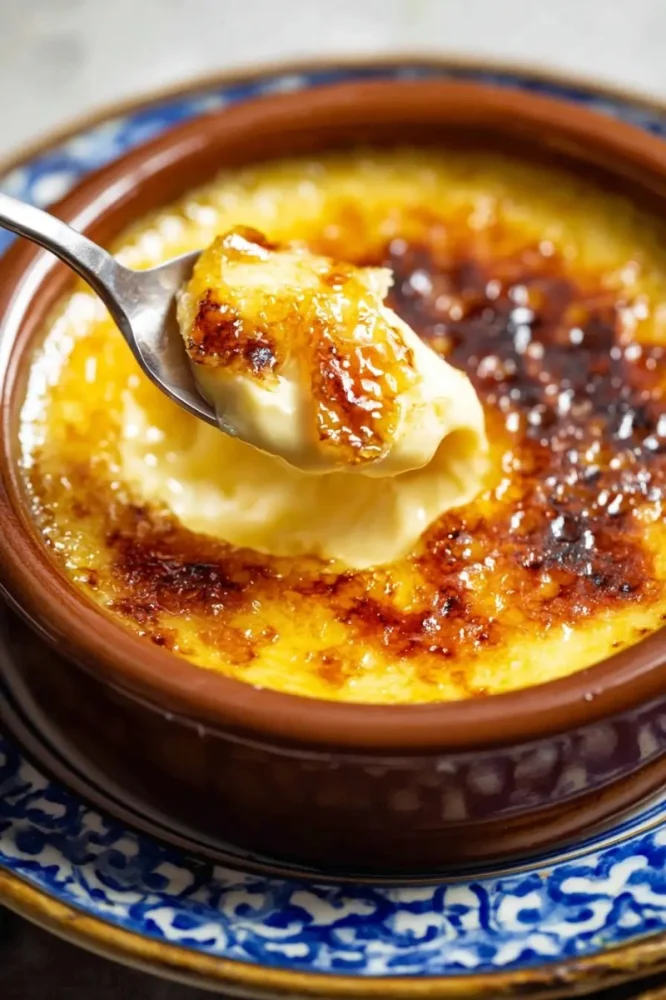
The caramelized sugar topping is what most people remember first when they think of crema catalana. Traditionally, sugar is sprinkled evenly over the chilled custard and caramelized just before serving.
Achieving the right balance is important. The sugar should melt into a thin, glassy layer that cracks under a spoon without burning. Many home cooks practice this step a few times before feeling confident, but once mastered, it becomes one of the most satisfying parts of the process.
What Can Go Wrong and How to Fix It
One common mistake when learning how to make Spanish Crema Catalana is overheating the custard. High heat can cause the eggs to scramble, resulting in a grainy texture. Keeping the heat low and stirring consistently prevents this issue.
Another challenge is uneven caramelization. Sprinkling too much sugar can lead to thick, bitter patches. A light, even layer works best. These small adjustments often turn a good dessert into a great one.
Making Crema Catalana Part of Your Table
Preparing crema catalana at home is more than following a recipe. It is an invitation to slow down and enjoy a traditional Spanish dessert with deep cultural roots. Many people find that serving it after a meal creates a memorable moment, especially when guests crack the caramelized top together.
If you are looking to explore authentic ingredients or learn more about Spanish cooking traditions, Rubi Spanish Table offers helpful inspiration and recommendations. With the right approach and quality components, this classic Catalan custard dessert becomes an achievable and rewarding addition to your home kitchen.

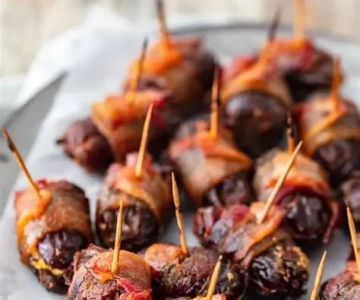
 Cafe Sevilla of Costa Mesa4.0 (566 reviews)
 El Pollo Restaurant & Bar4.0 (1237 reviews)
 TU Chicken4.0 (86 reviews)
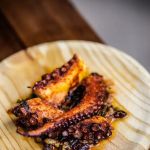 Barcelona Wine Bar4.0 (2240 reviews)
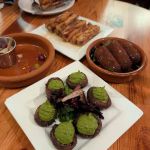 La Feria4.0 (1167 reviews)
 Spanish Restaurant 34.0 (194 reviews)
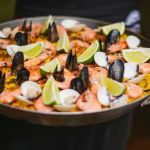 Traditional Spanish Seafood with Olive Oil and Herbs: A Culinary Delight
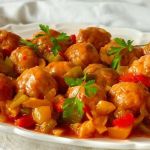 How to Make Spanish Albóndigas de Ternera con Pimientos: Beef Meatballs with Peppers
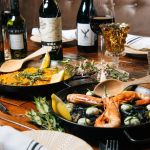 The Best Spanish Restaurants in Chicago | Top Tapas, Paella & More
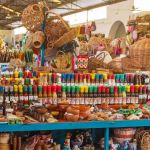 The Best Spanish Food Markets in Valladolid
 Authentic Spanish Paella with Crispy Socarrat
 The Best Spanish Restaurants in Phoenix for Gourmet Spanish Cuisine - Rubi Spanish Table