
- 1. What Are Spanish Migas?
- 2. The History and Origins of Spanish Migas
- 3. Key Ingredients for Making Traditional Migas
- 4. Step-by-Step Guide to Making Spanish Migas
- 5. Tips for Perfecting Your Migas Recipe
- 6. Delicious Variations of Migas You Can Try
- 7. How to Serve and Enjoy Spanish Migas
1. What Are Spanish Migas?
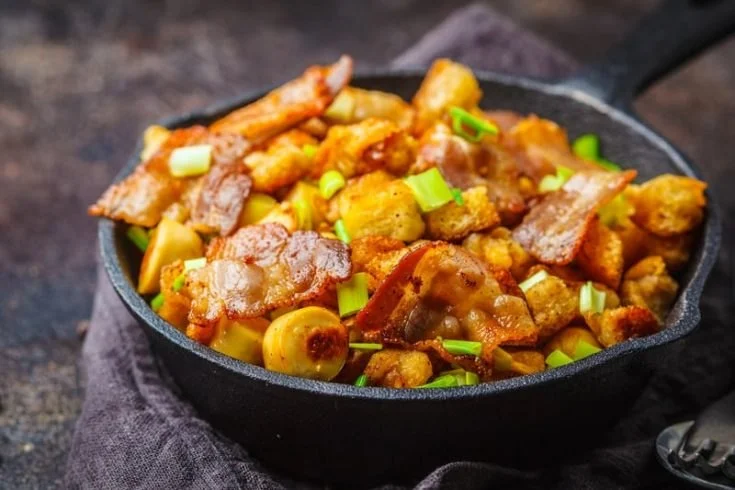
Spanish migas is a classic dish that has been a staple of traditional Spanish cuisine for centuries. It’s primarily made with leftover bread, which is crumbled and sautéed with garlic and olive oil, creating a savory and hearty dish. Though often considered a rustic, simple meal, migas offers rich flavors and a comforting texture. This dish can be served for breakfast, lunch, or dinner, making it an incredibly versatile addition to your cooking repertoire.
Migas is more than just a dish; it is a piece of Spanish culinary history, showcasing how resourcefulness and local ingredients can turn humble leftovers into something truly special. This dish varies from region to region, but the most common base ingredients are bread, garlic, olive oil, and sometimes meat like chorizo or bacon.

olea
New HavenSouth Central Connecticut Planning RegionConnecticut
39 High St, New Haven, CT 06510, USA
2. The History and Origins of Spanish Migas
The origins of migas date back to the times of shepherds and farmers in Spain, particularly in the arid regions of Castile-La Mancha and Extremadura. Traditionally, migas was a dish made by shepherds to make use of stale bread that could not be consumed in its original form. They would crumble the bread, combine it with garlic, and use whatever ingredients they had on hand, such as olive oil, vegetables, or small pieces of cured meat, to create a filling and energy-boosting meal.
As with many traditional dishes, the recipe for migas has evolved over the centuries. Today, it is a beloved dish enjoyed by many, from rural communities to city dwellers, and it continues to represent the practicality and heartiness of Spanish cuisine.

Le Chalet Basque Restaurant
San RafaelMarin CountyCalifornia
405 N San Pedro Rd, San Rafael, CA 94903, USA
3. Key Ingredients for Making Traditional Migas
To make traditional Spanish migas, you don’t need many ingredients, but each one plays a crucial role in bringing the dish to life. Here are the key ingredients you'll need:
Stale Bread
The foundation of migas is stale bread, preferably rustic Spanish bread like a baguette or ciabatta. The bread is torn into small pieces or crumbled into crumbs, which will absorb all the flavors of the garlic and oil. If you don’t have stale bread, you can toast fresh bread to create the same effect.
Garlic and Olive Oil
Garlic is a fundamental flavor in migas, providing a rich and savory base for the dish. Olive oil is essential to fry the bread and garlic, creating a crispy texture and rich flavor. The quality of the olive oil will significantly impact the overall taste, so opt for a good, extra virgin variety.
Meat (Optional)
While traditional migas was often made without meat, many modern recipes include chorizo, bacon, or even bits of lamb or chicken. This addition not only enhances the flavor but also adds protein to make the dish more filling.
Additional Ingredients
Some variations of migas include additional ingredients like vegetables (onions, bell peppers), nuts, or even raisins for a touch of sweetness. The dish is incredibly adaptable, so feel free to experiment with ingredients based on your preferences.
4. Step-by-Step Guide to Making Spanish Migas
Making migas is straightforward, and with just a few steps, you can prepare a flavorful and satisfying dish. Here’s a simple guide to help you get started:
Step 1: Prepare the Bread
Start by tearing or cutting the stale bread into small pieces. If you’re using fresh bread, toast it until crispy and then crumble it into pieces. Set the bread aside.
Step 2: Cook the Garlic and Meat
Heat olive oil in a large pan over medium heat. Add the garlic and cook it until golden and fragrant. If you’re using meat (like chorizo or bacon), add it to the pan and fry until crispy. The rendered fat will enhance the flavor of the migas.
Step 3: Fry the Bread
Add the prepared bread to the pan, stirring it well to coat each piece in the garlic and olive oil. Let the bread fry until it becomes crispy and golden brown, about 10-15 minutes. Stir occasionally to ensure the bread doesn’t burn.
Step 4: Season and Serve
Season the migas with salt and pepper to taste. You can also add herbs like parsley or thyme for extra flavor. Once the bread is crispy and golden, serve the migas hot, garnished with a few extra pieces of cooked meat or vegetables if desired.
5. Tips for Perfecting Your Migas Recipe
To make your migas as delicious as possible, consider the following tips:
Use Stale Bread for the Best Texture
Fresh bread can be too soft and soggy, so be sure to use stale bread for the best texture. If you only have fresh bread, toast it before using it in the recipe.
Don’t Skimp on the Olive Oil
Olive oil is key to creating the crispy texture and rich flavor in migas. Don’t be afraid to use a generous amount—it’ll make the dish delicious and satisfying.
Customize the Dish
Feel free to add your favorite ingredients, whether that’s roasted vegetables, a sprinkle of paprika, or a dash of sherry vinegar for added tang. Migas is a versatile dish that can be customized to suit your tastes.
6. Delicious Variations of Migas You Can Try
While the classic version of migas is delicious on its own, there are many regional variations you can explore. For example:
Garlic and Seafood Migas
In coastal regions of Spain, migas is often prepared with seafood such as shrimp or squid. The briny flavor of the seafood adds a new layer of complexity to the dish.
Vegetarian Migas
If you prefer a vegetarian version, skip the meat and focus on adding more vegetables like bell peppers, spinach, or tomatoes. A sprinkle of toasted almonds or pine nuts can add a nice crunch.
7. How to Serve and Enjoy Spanish Migas
Spanish migas can be served as a main dish or a side dish, depending on the occasion. It pairs wonderfully with a cold glass of Spanish wine or a refreshing sangria. You can also serve it with a side of fried eggs for a more substantial meal. The dish is perfect for a casual family dinner or even a weekend brunch with friends.
For the best ingredients and kitchen tools to make your migas, visit Rubi Spanish Table for all your cooking needs. Whether you're looking for authentic Spanish olive oil or a new pan, we have everything to help you create a delicious Spanish feast!

 El Agave Bar Lounge Restaurant- YONKERS4.0 (14 reviews)
 Ficelle4.0 (177 reviews)
 Mi Famila4.0 (276 reviews)
 Rice & Beans Bar and Restaurant4.0 (970 reviews)
 Vida4.0 (129 reviews)
 Cafe Ba-Ba-Reeba!4.0 (7395 reviews)
 Exploring the Best Spanish Seafood Dishes to Try at Home
 How to Make Spanish Chorizo a la Sidra: Sausage with Cider | Traditional Recipe
 How to Make Spanish Albóndigas de Pescado: Fish Meatballs in Tomato Sauce
 Authentic Spanish Garlic Shrimp with Saffron
 Easy Spanish Paella with Chicken Only Recipe for Home Cooks
 Spanish Seafood Casserole with Garlic Butter Sauce: A Delicious Recipe