
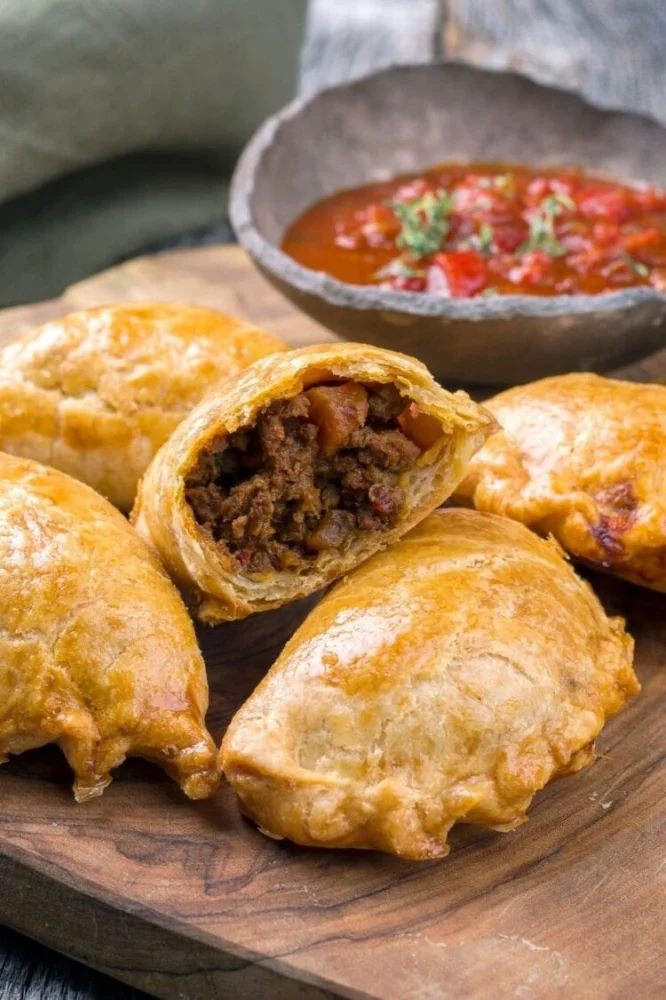
- 1. The History of Empanadas
- 2. Essential Ingredients for Spanish Empanadas
- 3. Step-by-Step Guide to Making Spanish Empanadas
- 4. Variations of Spanish Empanadas
- 5. Serving and Storing Your Empanadas
1. The History of Empanadas
Empanadas are a beloved part of Spanish cuisine, with roots that stretch across several cultures and countries. The word “empanada” comes from the Spanish verb "empanar," meaning to bread or coat in bread. These stuffed pastries are thought to have originated in Spain, where they were traditionally filled with meat, seafood, and vegetables. Over the centuries, they have spread throughout Latin America and beyond, becoming a global favorite.
In Spain, empanadas have been enjoyed for centuries and are a staple in many regional cuisines. While the fillings and dough may vary from region to region, the fundamental idea remains the same— a delicious filling wrapped in a savory, flaky crust. From festive gatherings to casual street food, Spanish empanadas have become a go-to snack for many.

2. Essential Ingredients for Spanish Empanadas
Making Spanish empanadas at home is easy once you have the right ingredients. Here’s a rundown of what you’ll need:
- Empanada Dough: The dough is typically made with flour, butter (or olive oil), a bit of salt, and water. It’s important to roll it out thinly for a crispy texture once baked.
- Filling: Traditional Spanish empanadas are often filled with a combination of meats like beef, chicken, or tuna. Vegetables such as onions, peppers, and olives are frequently added for extra flavor. You can also include hard-boiled eggs and seasonings such as paprika and cumin to enhance the taste.
- Egg Wash: A simple egg wash is used to brush over the top of the empanadas before baking, giving them a beautiful golden finish.
These ingredients can be customized depending on your taste and dietary preferences. For example, you can use vegetarian fillings or substitute the traditional meats with seafood, such as shrimp or cod.

3. Step-by-Step Guide to Making Spanish Empanadas
Follow these steps to create your own delicious Spanish empanadas at home:
- Prepare the Dough: In a large bowl, combine flour, salt, and cold butter (cut into small pieces). Use your fingers to mix until the mixture resembles breadcrumbs. Gradually add cold water and knead the dough until smooth. Cover and refrigerate for at least 30 minutes.
- Prepare the Filling: Heat a pan over medium heat and sauté onions and garlic in olive oil until softened. Add ground beef or your preferred meat and cook until browned. Stir in chopped peppers, tomatoes, and seasonings such as paprika and cumin. Let the mixture simmer until the vegetables are tender and the flavors meld together.
- Assemble the Empanadas: Roll out the dough on a floured surface. Use a round cutter or a bowl to cut out circles of dough. Place a spoonful of filling in the center of each dough circle. Fold the dough over the filling to form a half-moon shape and seal the edges by pressing them together with a fork.
- Bake the Empanadas: Preheat your oven to 375°F (190°C). Brush the tops of the empanadas with an egg wash (beaten egg) and place them on a baking sheet lined with parchment paper. Bake for 20-25 minutes or until golden brown and crisp.
Once baked, your empanadas will be golden, flaky, and bursting with flavor. Serve them hot as a delicious snack or appetizer!
4. Variations of Spanish Empanadas
While the basic concept of an empanada remains the same, there are many variations depending on the region and ingredients available. Here are a few popular variations:
- Tuna Empanadas: A classic Spanish variation, often filled with tuna, hard-boiled eggs, onions, and olives. It’s a perfect balance of savory and briny flavors.
- Beef Empanadas: A staple in Spanish cuisine, filled with ground beef, onions, peppers, and spices like paprika and cumin for a rich, hearty taste.
- Vegetarian Empanadas: For a lighter option, you can fill your empanadas with sautéed vegetables like spinach, mushrooms, and bell peppers, combined with feta cheese or olives for extra flavor.
- Sweet Empanadas: For dessert, try making empanadas with a sweet filling, such as chocolate, custard, or even a mixture of fruits like apples and cinnamon.
These variations allow you to experiment with flavors and cater to different tastes, making empanadas a versatile dish for any occasion.
5. Serving and Storing Your Empanadas
Once your empanadas are baked, they’re best enjoyed fresh and hot. Serve them as an appetizer, snack, or main course, paired with a refreshing salad or a side of dipping sauces such as chimichurri or garlic aioli.
If you have leftovers, empanadas can be stored in an airtight container in the refrigerator for up to 2-3 days. To reheat, simply pop them in the oven for a few minutes to restore their crispness. You can also freeze uncooked empanadas before baking for later use. Just ensure they are properly wrapped to avoid freezer burn.
If you’re looking for the best ingredients or ready-made options to make authentic Spanish empanadas, check out Rubi Spanish Table. They offer a variety of high-quality products, including Spanish spices, olives, and dough, to make your cooking experience even more enjoyable.



 Addictive NYC4.0 (261 reviews)
 Barcelona Wine Bar4.0 (1640 reviews)
 Toro Kitchen + Bar4.0 (926 reviews)
 Boqueria Fulton Market4.0 (2048 reviews)
 Pintxo y Tapas4.0 (509 reviews)
 mfk. Restaurant4.0 (408 reviews)
 The Art of Making Spanish Jamón Ibérico at Home
 Spanish Party Tapas Ideas with Authentic Taste
 The Best Spanish Restaurants in San Antonio for Tapas and Paella
 How to Make Spanish Arroz con Pollo y Verduras: Chicken and Vegetable Paella
 Exploring Spanish Culinary Traditions Through Seasonal Ingredients
 Authentic Spanish Rice with Chorizo and Shrimp