
- -What-Is-Spanish-Rice
- -What-Is-Mexican-Rice
- -Key-Differences-Between-Spanish-and-Mexican-Rice
- -Real-World-Recipes-and-Examples
- -How-to-Prepare-Both-Dishes
1. What Is Spanish Rice?
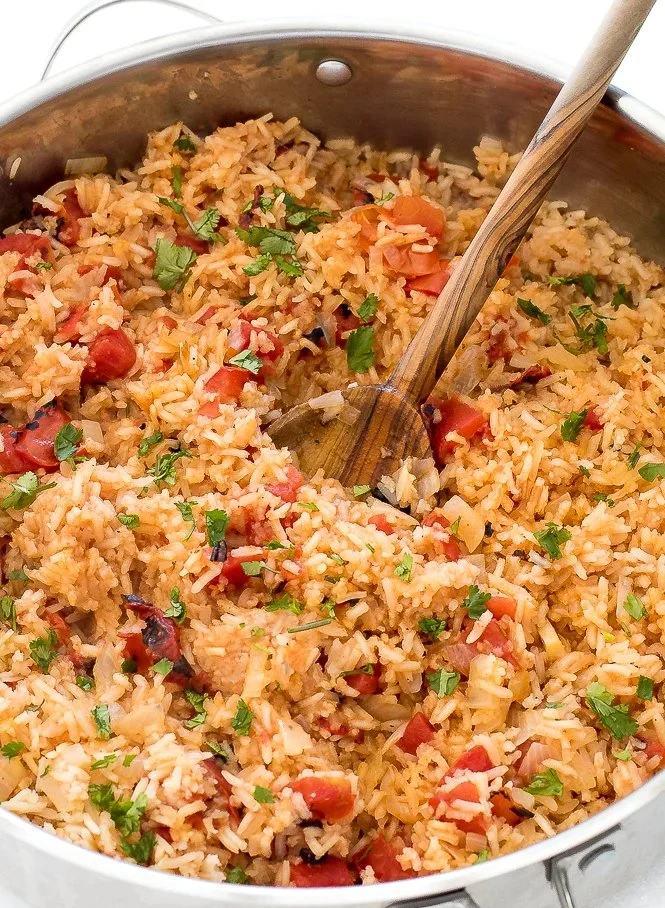
To understand the real difference between Spanish rice and Mexican rice, it’s important to first define Spanish rice. Despite its name, Spanish rice isn’t originally from Spain, but rather a dish commonly found in Mexican and Southwestern cuisine. It’s a seasoned rice dish that is often served as a side to main dishes like tacos, enchiladas, or grilled meats.
1.1 Traditional Ingredients of Spanish Rice
Spanish rice typically includes rice, tomatoes, onions, and garlic. The tomatoes give the dish its distinct color and flavor, making it slightly tangy and savory. Sometimes, the rice is sautéed in oil before simmering in a seasoned broth, adding extra flavor depth. The spices commonly used are cumin, chili powder, and sometimes saffron or turmeric, giving the rice its bright orange color.
1.2 Common Uses and Pairings
In Mexican cuisine, Spanish rice is often paired with beans, grilled meats, or as a side dish for tacos. It’s versatile and can be found in many different variations depending on regional tastes.
2. What Is Mexican Rice?
Now that we’ve explored Spanish rice, let’s move on to Mexican rice. Often confused with Spanish rice, Mexican rice is another staple side dish in Mexican cuisine. It’s a flavorful rice that is commonly served with almost every Mexican meal, from burritos to grilled chicken.
2.1 Key Ingredients of Mexican Rice
Mexican rice is typically made with white rice, tomato, onion, garlic, and sometimes peas and carrots. The dish has a softer texture compared to Spanish rice, which often has more bite. The rice is usually sautéed in oil first to achieve a toasted flavor, then simmered with a flavorful tomato-based broth.
2.2 Variations and Regional Differences
In some regions, Mexican rice may include additional vegetables like bell peppers or cilantro for extra flavor and color. This dish’s flavor is often more neutral than Spanish rice, with a delicate tomato and onion flavor that complements spicier or heavier main dishes.
3. Key Differences Between Spanish and Mexican Rice
So, what’s the real difference between Spanish rice and Mexican rice? While both are staples in Mexican cuisine, they differ in several ways, including flavor, texture, and ingredients.
3.1 The Tomato Base
The most notable difference is the flavor. Spanish rice tends to have a more pronounced tomato flavor because of its use of more tomatoes and sometimes tomato paste. Mexican rice, on the other hand, is typically lighter in tomato flavor, focusing more on the rice and subtle spices.
3.2 Texture and Preparation
Spanish rice often has a firmer texture and can sometimes have a bit of a crispy bite, especially if it’s sautéed properly before being simmered. Mexican rice is softer and fluffier, with the rice grains often sticking together a little more due to its cooking method.
3.3 Spices and Seasonings
Spanish rice often includes more cumin, chili powder, and saffron, giving it a stronger, more complex flavor profile. Mexican rice uses a milder combination of seasonings like garlic, onion, and occasionally cilantro, which results in a more neutral taste that pairs well with a variety of dishes.
4. Real-World Recipes and Examples
Let’s take a look at how these two types of rice are made and served in real-life recipes:
4.1 Spanish Rice Recipe
To make traditional Spanish rice, start by sautéing rice in oil until it’s lightly browned. Then, add chopped onions, garlic, and tomatoes. After sautéing, add chicken broth, cumin, chili powder, and a pinch of saffron. Simmer until the rice is tender and the liquid has absorbed. This results in a flavorful, hearty rice that pairs perfectly with spicier Mexican dishes like burritos or grilled meats.
4.2 Mexican Rice Recipe
For Mexican rice, sauté white rice in oil until golden. Add chopped onions and garlic, followed by tomato puree and chicken broth. Add peas and carrots if you prefer, and season with salt and pepper. Simmer until the rice is tender and fluffy. This rice has a gentler flavor, making it a perfect accompaniment to tacos, quesadillas, or fajitas.
5. How to Prepare Both Dishes
Now that you know the differences, here’s how you can prepare both types of rice at home:
5.1 Preparing Spanish Rice
To get the authentic Spanish rice experience, it’s essential to properly toast the rice before adding the liquid. This step helps achieve the signature texture and flavor of Spanish rice. Be sure to sauté the onions and garlic until golden to release their full flavor before adding the tomatoes and spices.
5.2 Preparing Mexican Rice
For Mexican rice, the key is to achieve a soft and fluffy texture, so make sure to monitor the rice as it simmers and fluff it with a fork once done. For added flavor, you can experiment with fresh cilantro, or even add a squeeze of lime juice to elevate the dish.
Both Spanish rice and Mexican rice are incredibly versatile and easy to make. Understanding the key differences allows you to choose the best option for your meal, whether you prefer a firmer, spicier side or a softer, milder rice. Be sure to try both versions and see which one fits your taste best!

 FIFTEEN 3605.0 (7 reviews)
 Circulo Español4.0 (319 reviews)
 El Pollo Chulo3.0 (18 reviews)
 Barcelona Wine Bar4.0 (3753 reviews)
 Café Riazor4.0 (267 reviews)
 Spanish Restaurant Tapas - Alcala4.0 (455 reviews)
 How to Make Spanish Pollo a la Cerveza con Champiñones: Beer-Braised Chicken with Mushrooms
 How to Make Spanish Gazpacho for Hot Summer Days
 The Best Spanish Restaurants in Tampa: Top Spots for Authentic Flavors
 How to Make Spanish Style Roasted Potatoes
 Traditional Spanish Seafood with Slow Simmered Broth: A Delicious Culinary Experience
 The Best Spanish Food Tours in Spain: Discover Authentic Culinary Delights