Rubi Spanish Table
Rubi Spanish TableSpanish Flavors BlogSpanish Food Near Me
ArizonaCaliforniaConnecticutDelawareDistrict of ColumbiaFloridaGeorgiaIllinoisIndianaLouisianaMaineMarylandMassachusettsMichiganMissouriNevadaNew HampshireNew JerseyNew MexicoNew YorkNorth CarolinaOhioOklahomaOregonPennsylvaniaRhode IslandTennesseeTexasUtahVirginiaWashingtonWisconsin

Rubi Spanish TableSpanish Flavors Blog

Traditional Spanish Seafood with Slow Simmered Broth: A Delicious Culinary Experience

Traditional Spanish Seafood with Slow Simmered Broth: A Delicious Culinary Experience

Introduction to Traditional Spanish Seafood

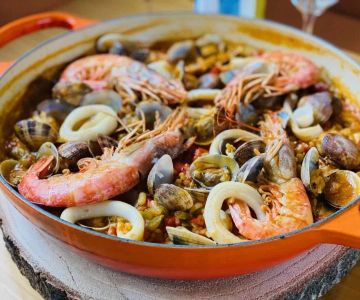
Spanish cuisine is renowned for its vibrant flavors, and seafood plays a central role in many traditional dishes. From the Mediterranean coast to Galicia in the northwest, seafood is a staple in Spanish households and restaurants. The use of slow-simmered broths in these recipes is what makes them so rich, flavorful, and comforting.Whether it's the famous paella from Valencia or the delectable caldereta from the Balearic Islands, the secret to these dishes lies in the careful, slow simmering of the seafood broth. The rich, savory flavors of a well-prepared seafood broth can elevate any dish, creating a unique and unforgettable dining experience.

Key Ingredients for a Slow Simmered Seafood Broth

To make a traditional Spanish seafood broth, you’ll need a few key ingredients. Each ingredient brings its own depth of flavor to the dish:Fish Stock or Fumet: The base of the broth, made from simmering fish bones, shells, and heads, gives the broth its signature seafood flavor. Some recipes also call for a combination of fish stock and water to balance the flavors.Seafood: Fresh shellfish like shrimp, clams, and mussels, as well as fish like cod or monkfish, are essential to add body and depth to the broth. These seafood ingredients release their natural juices, contributing to the richness of the broth.Aromatics: Traditional aromatics like garlic, onions, leeks, and celery provide the foundation of flavor. These ingredients are gently sautéed to enhance the broth’s base.Tomatoes: Fresh tomatoes, often pureed or chopped, add acidity and sweetness to balance the richness of the seafood.Olive Oil: Olive oil is an essential ingredient in Spanish cooking and is used to sauté the aromatics. It also contributes to the smooth texture and depth of the broth.Herbs and Spices: Common herbs in Spanish seafood broths include bay leaves, thyme, saffron (for color and flavor), and parsley. The combination of herbs creates the aromatic complexity found in many traditional dishes.

Cooking Techniques for Perfect Seafood Broth

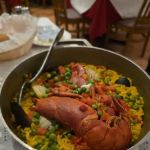
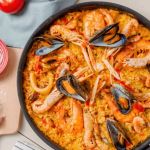
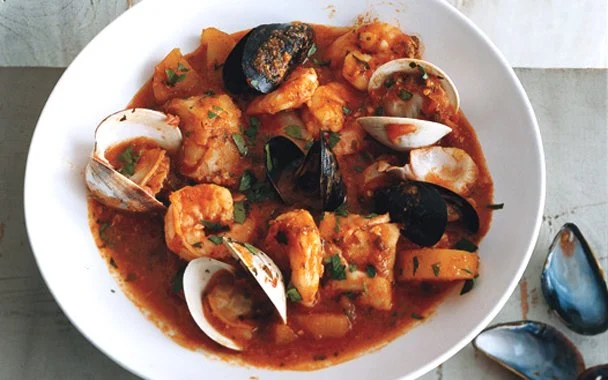
The process of slow simmering is key to achieving a flavorful and rich seafood broth. Here are the essential techniques for cooking the perfect seafood broth:Sauté Aromatics: Begin by heating olive oil in a large pot and sautéing onions, garlic, and other aromatics until soft and fragrant. This step helps to release the essential flavors.Add Tomatoes and Simmer: Once the aromatics are softened, add tomatoes and cook them down to create a base for the broth. This step helps intensify the flavors.Simmer the Broth: Add the fish stock or fumet and bring it to a gentle simmer. The slow cooking process allows the flavors to meld and develop over time. This should be done on low heat for at least 30 minutes to 1 hour.Add Seafood: Once the broth has developed rich flavors, add the seafood, starting with firmer fish like cod or monkfish and finishing with shellfish like clams and shrimp. Simmer just until the seafood is cooked through to avoid overcooking.Seasoning: Taste the broth as it cooks and adjust the seasoning as needed with salt, pepper, and saffron. Fresh herbs like parsley or thyme can be added toward the end of cooking for a burst of freshness.Several classic Spanish seafood dishes feature the slow-simmered broth as a fundamental element. Here are a few favorites:Paella: While often associated with rice, the seafood in paella is often simmered in a rich broth that adds depth and flavor. A well-made paella features seafood like shrimp, mussels, and clams, cooked with saffron and garlic.Caldereta de Marisco: A seafood stew from the Balearic Islands, caldereta de marisco combines various shellfish and fish simmered in a flavorful broth made from fish stock, wine, and fresh herbs. It's often served with rustic bread to soak up the rich broth.Sopa de Pescado: This Spanish fish soup is made with a delicate broth of simmered fish bones and vegetables. It’s often served with pieces of white fish and crusty bread.Arroz a la Marinera: A traditional Spanish seafood rice dish similar to paella, but with a brothy consistency. The slow-simmered seafood broth helps create a rich, savory flavor that infuses the rice.

Secrets to Authentic Spanish Seafood Recipes

To ensure authenticity when preparing traditional Spanish seafood dishes, there are a few key tips to keep in mind:Use Fresh, Local Ingredients: The freshest seafood is essential to achieving the best flavor. Whenever possible, use local, seasonal seafood to capture the essence of the dish.Balance Flavors Carefully: Spanish cuisine is all about balancing flavors—richness from the seafood, acidity from tomatoes, and earthiness from herbs. Taste and adjust the seasoning as you go to get the right balance.Slow Simmering is Key: Never rush the simmering process. Allowing the broth to cook slowly over low heat is what brings out the deep, complex flavors.Don’t Overcook the Seafood: Overcooked seafood can become rubbery and tough. Add the seafood toward the end of the cooking process and let it cook just until done.Saffron is a Must: Saffron is a quintessential ingredient in many Spanish seafood dishes. Its delicate floral flavor and vibrant color add authenticity to your broth.

Where to Find Quality Ingredients for Spanish Seafood

To recreate authentic Spanish seafood dishes, it's important to use high-quality ingredients. Many specialty markets and online stores offer the seafood and pantry staples needed for these recipes. Some key items to look for include:Fresh Seafood: Look for local fishmongers or specialty grocery stores with a good selection of fresh seafood. You can also explore seafood delivery services for top-quality, fresh catches.Spanish Olive Oil: The best olive oil is a hallmark of Spanish cuisine. Spanish olive oil adds richness to broths and enhances the overall flavor of your dishes.Saffron: Real Spanish saffron is essential for a truly authentic flavor. Purchase it from trusted sources to ensure you’re getting the best quality.For a seamless experience, consider visiting stores like Rubi Spanish Table, where you can find the best ingredients and products for your Spanish cooking adventures.

Popular Blog Posts

Categories

Top Visited Sites

Trending Spanish Flavors Blog Posts