
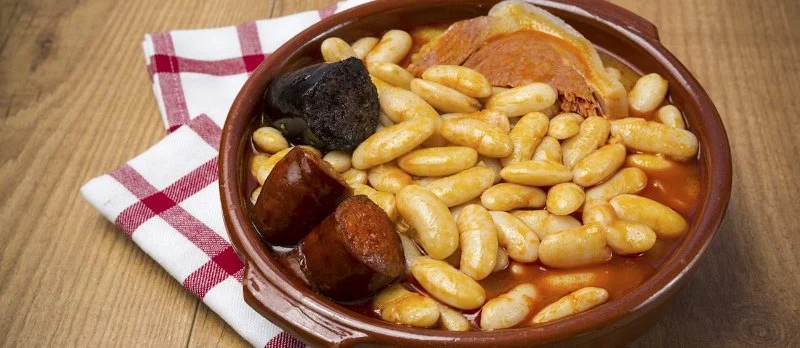
1. What is Fabada Asturiana?
Fabada Asturiana is one of the most iconic dishes from Asturias, a region in northern Spain. This rich and flavorful stew is made with white beans, Spanish chorizo, and other meats like morcilla (blood sausage) and pancetta. Traditionally served during winter, it’s a hearty meal designed to keep you warm and satisfied. Known for its comforting qualities and robust flavors, Fabada Asturiana has earned its place as a staple in Spanish cuisine.
2. Key Ingredients in Fabada Asturiana
To make a true Fabada Asturiana, you need a few key ingredients that make this dish unique and delicious. Here's a breakdown of the essential components:

2.1. White Beans
The base of Fabada Asturiana is large, creamy white beans, traditionally called "fabes de la granja." These beans are slow-cooked to absorb the rich flavors of the other ingredients. They provide a hearty texture and are essential to the dish’s signature taste.
2.2. Spanish Chorizo
Spanish chorizo is a key ingredient in Fabada Asturiana. It’s made from pork, seasoned with paprika, garlic, and other spices, giving it a deep red color and smoky flavor. This sausage adds a bold, savory taste to the stew, enhancing the overall flavor profile.
2.3. Morcilla (Blood Sausage)
While optional, morcilla, or blood sausage, is a traditional addition to Fabada Asturiana. This rich, savory sausage is made from pork blood, rice, and spices, adding an earthy, umami flavor to the dish.
2.4. Pancetta
Pancetta, or Italian-style cured pork belly, is often added to Fabada Asturiana for extra richness and depth. It melts into the stew, infusing the beans with additional flavors and creating a comforting, full-bodied dish.
3. The Traditional Cooking Process
Making Fabada Asturiana requires time and patience, but the end result is well worth the effort. The cooking process is straightforward but slow, allowing all the flavors to meld together perfectly.
3.1. Soaking the Beans
Start by soaking the white beans overnight in plenty of water. This softens them and reduces the cooking time, allowing the beans to absorb the flavors of the stew more effectively.
3.2. Slow Cooking the Stew
After draining the beans, add them to a large pot or Dutch oven along with the chorizo, morcilla, pancetta, and any other flavorings like garlic, onions, and paprika. Cover everything with water and bring it to a simmer. The stew should be cooked slowly over low heat for several hours until the beans are tender and the flavors are fully developed. The longer it cooks, the better the flavor!
3.3. Adjusting the Seasoning
Once the stew is cooked, taste and adjust the seasoning. You may need to add a bit more salt or paprika to suit your taste. It’s important to note that Fabada Asturiana is a very hearty and flavorful dish, so don’t shy away from bold seasonings!
4. Serving Fabada Asturiana
Traditionally, Fabada Asturiana is served as a main dish, often accompanied by a crusty piece of bread to soak up the delicious sauce. It’s best enjoyed hot, particularly during colder months when the stew provides warmth and comfort. You can serve it with a light side salad or some roasted vegetables to balance the richness of the dish.
5. Tips for Making the Perfect Fabada Asturiana
While the recipe for Fabada Asturiana is relatively simple, there are a few tips that can help ensure your dish turns out perfectly every time:
- Use quality chorizo and morcilla: The flavor of these sausages is crucial to the dish, so opt for high-quality Spanish chorizo and morcilla if possible.
- Don’t rush the cooking process: The slow cooking process is essential for allowing the beans to absorb all the flavors. Avoid turning up the heat to speed up the cooking process.
- Let it rest: Like many stews, Fabada Asturiana tastes even better the next day. Let it sit for a few hours before serving, or refrigerate it overnight and reheat before serving.
6. Discover the Best Ingredients at Rubi Spanish Table
If you’re excited to make Fabada Asturiana at home, check out Rubi Spanish Table for the finest Spanish ingredients. From authentic Spanish chorizo and morcilla to high-quality white beans, Rubi Spanish Table has everything you need to create an authentic and flavorful Fabada Asturiana. Visit us today and elevate your cooking with the best ingredients from Spain!
 FIFTEEN 3605.0 (7 reviews)
 Circulo Español4.0 (319 reviews)
 El Pollo Chulo3.0 (18 reviews)
 Barcelona Wine Bar4.0 (3753 reviews)
 Café Riazor4.0 (267 reviews)
 Spanish Restaurant Tapas - Alcala4.0 (455 reviews)
 How to Make Spanish Pollo a la Cerveza con Champiñones: Beer-Braised Chicken with Mushrooms
 How to Make Spanish Gazpacho for Hot Summer Days
 The Best Spanish Restaurants in Tampa: Top Spots for Authentic Flavors
 How to Make Spanish Style Roasted Potatoes
 Traditional Spanish Seafood with Slow Simmered Broth: A Delicious Culinary Experience
 The Best Spanish Food Tours in Spain: Discover Authentic Culinary Delights