
- -Introduction-to-Traditional-Spanish-Seafood
- -The-Role-of-Olive-Oil-in-Spanish-Seafood-Cooking
- -Common-Herbs-and-Seasonings-in-Spanish-Seafood-Dishes
- -Popular-Traditional-Spanish-Seafood-Dishes
- -Real-Life-Stories-and-Expert-Tips
1. Introduction to Traditional Spanish Seafood
Spanish cuisine, with its rich Mediterranean roots, is known for its vibrant and varied use of fresh seafood. Seafood plays a central role in Spain's culinary traditions, and it is often prepared with the simplest yet most flavorful ingredients, like olive oil and herbs, to bring out the natural flavors of the ocean.
1.1 The Mediterranean Influence on Spanish Cooking
The Mediterranean diet, which emphasizes fresh produce, fish, and healthy fats like olive oil, forms the foundation of Spanish cuisine. Seafood in Spain is more than just a dish—it's a celebration of local ingredients and seasonal abundance, reflecting the country's long coastal history.
1.2 The Importance of Freshness
When it comes to Spanish seafood, freshness is paramount. The country’s coastlines, from the Atlantic to the Mediterranean, provide an array of seafood that ranges from shellfish and mollusks to fish varieties like cod, anchovies, and seabass. It is the quality and freshness of the ingredients that elevate Spanish seafood dishes to a whole new level.

2. The Role of Olive Oil in Spanish Seafood Cooking
Olive oil is perhaps the most quintessential ingredient in Spanish cooking, and its role in preparing seafood is no exception. This healthy fat, which is native to the Mediterranean region, is used not just for cooking but also as a finishing touch to enhance the dish’s flavor profile.
2.1 Olive Oil: A Key Flavor Enhancer
Spanish chefs prefer to use extra virgin olive oil, which adds a rich, fruity flavor that complements the natural sweetness of seafood. Whether used for sautéing, drizzling over grilled fish, or incorporating into a seafood broth, olive oil acts as a flavor carrier, helping herbs and spices infuse the seafood with depth and complexity.
2.2 Olive Oil Varieties in Spain
Different regions of Spain produce unique varieties of olive oil, such as the mild and nutty oils from the Andalusia region or the robust, peppery oils from the Catalonia area. These subtle differences in flavor can drastically change the taste of a seafood dish, making it essential to select the right olive oil based on the intended flavor profile.

Barcelona Wine Bar
StamfordWestern Connecticut Planning RegionConnecticut
222 Summer St, Stamford, CT 06901, USA
3. Common Herbs and Seasonings in Spanish Seafood Dishes
Herbs and seasonings are key to bringing out the natural flavors in Spanish seafood. While the Mediterranean region offers an abundance of fresh herbs, certain flavors are more prominent in Spanish seafood preparations.
3.1 Key Herbs in Spanish Seafood
1. Parsley: A staple in Spanish seafood, parsley adds freshness and a mild, grassy flavor.
2. Garlic: Used both as a base flavor and as a seasoning in many dishes.
3. Saffron: Particularly in paella, saffron provides a warm, slightly bitter note that enhances the richness of seafood.
4. Rosemary and Thyme: These herbs are frequently used to flavor grilled or roasted fish, adding a savory complexity.
3.2 The Flavor Profile of Spanish Seafood
Spanish seafood dishes are typically characterized by bold, savory flavors, balanced with light acidity from lemon or vinegar. The combination of olive oil and herbs creates a harmonious blend that makes each dish uniquely Spanish.
4. Popular Traditional Spanish Seafood Dishes
Spanish cuisine offers a wide array of seafood dishes, each showcasing the use of olive oil and fresh herbs. Below are a few iconic dishes that are beloved both in Spain and around the world.
4.1 Paella: The Spanish Seafood Classic
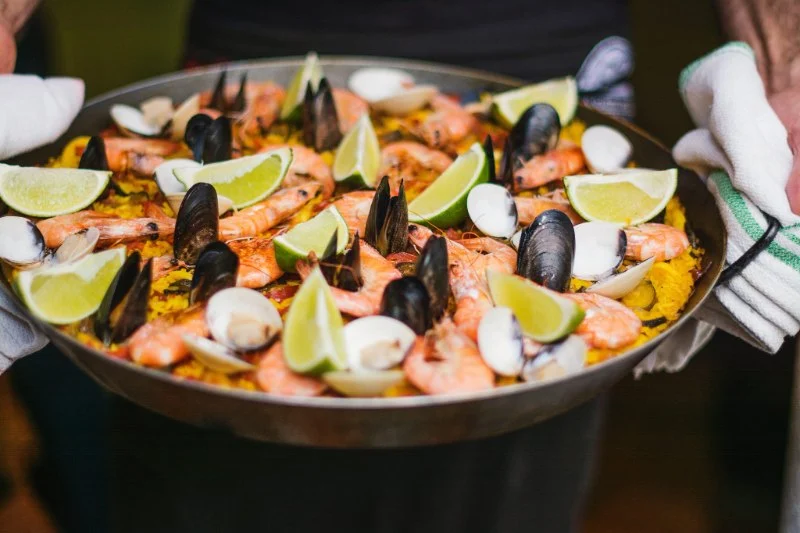
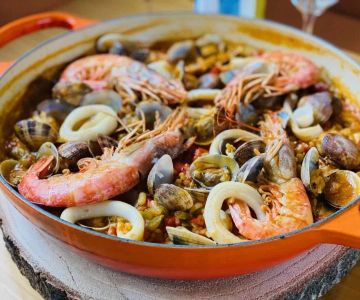
No discussion of Spanish seafood would be complete without mentioning paella. Originating in Valencia, this rice dish combines seafood like shrimp, mussels, and clams, with saffron-infused rice cooked in olive oil. The dish is often finished with a squeeze of lemon and a sprinkle of fresh parsley.
4.2 Gambas al Ajillo (Garlic Shrimp)
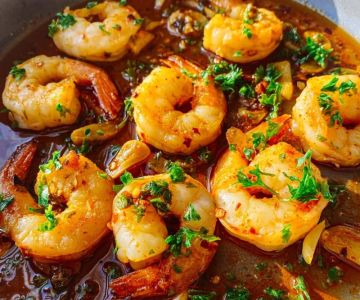
This simple yet flavorful dish features shrimp sautéed in olive oil with garlic, chili, and a dash of lemon. The combination of garlic and olive oil creates a fragrant, aromatic sauce that perfectly complements the sweetness of the shrimp.
4.3 Piquillos Rellenos de Marisco (Piquillo Peppers Stuffed with Seafood)
In northern Spain, piquillo peppers are stuffed with a mixture of seafood and herbs, then lightly sautéed in olive oil. The dish is a perfect example of the balance between savory seafood and the sweet, smoky flavors of the peppers.
5. Real-Life Stories and Expert Tips
Exploring the world of traditional Spanish seafood is not just about recipes—it's about connecting with the rich history and culture behind the dishes. Here are a few real-life insights and expert tips to help bring these dishes into your own kitchen.
5.1 A Story from a Spanish Seafood Market
During a visit to a bustling seafood market in Barcelona, a chef shared her approach to selecting seafood. She explained how choosing the freshest fish—often caught that morning—was essential to achieving the depth of flavor seen in traditional Spanish dishes. She emphasized the importance of supporting local, sustainable fishing practices as a way to ensure the best ingredients for future generations.
5.2 Expert Tips for Cooking Spanish Seafood
1. Don’t overcook seafood: The key to perfect Spanish seafood is timing. Overcooking can result in rubbery textures and loss of flavor.
2. Invest in high-quality olive oil: The flavor of olive oil significantly impacts the final dish, so choose a premium extra virgin variety for the best results.
3. Use herbs wisely: Fresh herbs are best added at the end of cooking to preserve their bright flavors.
5.3 A Personal Touch
For those looking to experiment with Spanish seafood at home, try incorporating your own favorite herbs or a bit of spice. Creating personalized versions of traditional dishes can lead to surprising and delightful results.
 FIFTEEN 3605.0 (7 reviews)
 Circulo Español4.0 (319 reviews)
 El Pollo Chulo3.0 (18 reviews)
 Barcelona Wine Bar4.0 (3753 reviews)
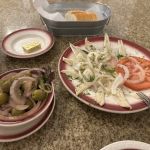 Café Riazor4.0 (267 reviews)
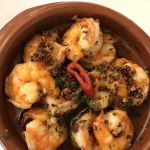 Spanish Restaurant Tapas - Alcala4.0 (455 reviews)
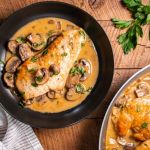 How to Make Spanish Pollo a la Cerveza con Champiñones: Beer-Braised Chicken with Mushrooms
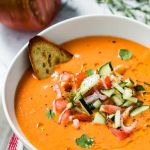 How to Make Spanish Gazpacho for Hot Summer Days
 The Best Spanish Restaurants in Tampa: Top Spots for Authentic Flavors
 How to Make Spanish Style Roasted Potatoes
 Traditional Spanish Seafood with Slow Simmered Broth: A Delicious Culinary Experience
 The Best Spanish Food Tours in Spain: Discover Authentic Culinary Delights