- 1. Understanding Mexican and Spanish Cuisine
- 2. Key Ingredients: Mexican vs Spanish
- 3. Flavor Profiles: A Tale of Two Cuisines
- 4. Signature Dishes: Mexican and Spanish Delights
- 5. Cultural Influences on Mexican and Spanish Food
- 6. Real-Life Experiences: Mexican and Spanish Food Adventures
1. Understanding Mexican and Spanish Cuisine
When it comes to cuisine, Mexican and Spanish food are often confused due to their shared roots and historical connections. However, these two types of cuisine are distinct in many ways, from the ingredients used to the cooking methods and flavor profiles. Mexican food, often vibrant and bold, is known for its use of native ingredients like corn, beans, and chili peppers. Spanish food, with its Mediterranean influences, features a different set of flavors and cooking techniques that are influenced by both European and Arab cultures.

Made Kitchen & Cocktails
AlpharettaFulton CountyGeorgia
45 Roswell St Suite B, Alpharetta, GA 30009, USA
2. Key Ingredients: Mexican vs Spanish
Both Mexican and Spanish cuisine use a wide range of fresh ingredients, but the core elements differ significantly between the two. Mexican food relies heavily on indigenous ingredients, such as corn (used to make tortillas), beans, chilies, tomatoes, and avocado. These ingredients give Mexican cuisine its distinctive flavors and textures.

Jaleo
Boulevard Tower, 3708 Las Vegas Blvd S Level 3, Las Vegas, NV 89109, USA
Mexican Ingredients
Mexican cuisine is often recognized for its use of fresh and earthy ingredients. Some key staples include:
- Chilies (e.g., jalapeño, chipotle, poblano)
- Corn (for tortillas, tamales, and tacos)
- Beans (black beans, pinto beans)
- Avocados (for guacamole)
- Fresh herbs like cilantro
Spanish Ingredients
In contrast, Spanish cuisine is influenced by the Mediterranean diet, with an emphasis on olive oil, garlic, and seafood. Some key ingredients used in Spanish dishes include:
- Olive oil (used as a base for cooking)
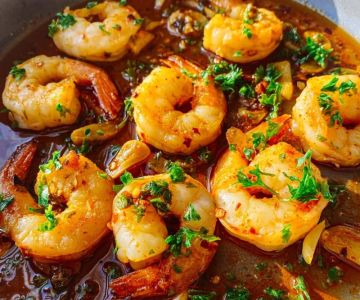
- Seafood (e.g., shrimp, squid, anchovies)
- Garlic and saffron (essential for many Spanish dishes)
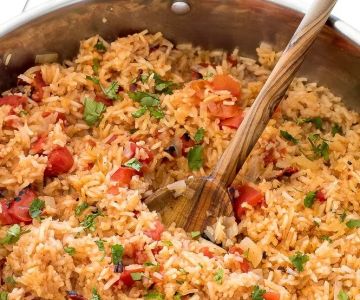
- Rice (for dishes like paella)
- Cheese (e.g., Manchego, Iberico)
3. Flavor Profiles: A Tale of Two Cuisines
The flavor profiles of Mexican and Spanish food are distinct, but they both prioritize rich, layered flavors. Mexican food is known for its bold, spicy, and earthy flavors, with a heavy reliance on chilies and fresh herbs. On the other hand, Spanish food has a more subtle and savory flavor profile, often incorporating olive oil, garlic, and saffron to create rich and aromatic dishes.
Mexican Flavors
Mexican cuisine is known for its dynamic use of spices and chilies, which contribute heat and depth to dishes. The combination of fresh and cooked ingredients, such as roasted tomatoes and grilled meats, also brings complexity to the food. Whether it’s the smoky heat of a chipotle chili or the tangy freshness of lime in a taco, the flavors in Mexican food are vibrant and diverse.
Spanish Flavors
Spanish cuisine tends to favor more subtle, balanced flavors. Olive oil is a core ingredient in most dishes, lending a rich texture and flavor. Saffron, which is often found in traditional Spanish paella, adds a unique floral note. Garlic, along with fresh vegetables, seafood, and cured meats like chorizo, creates a hearty yet delicate flavor profile in Spanish dishes.
4. Signature Dishes: Mexican and Spanish Delights
Both Mexican and Spanish cuisines boast a range of iconic dishes that reflect their unique culinary traditions. Let’s take a closer look at some signature dishes from both cuisines.
Mexican Signature Dishes
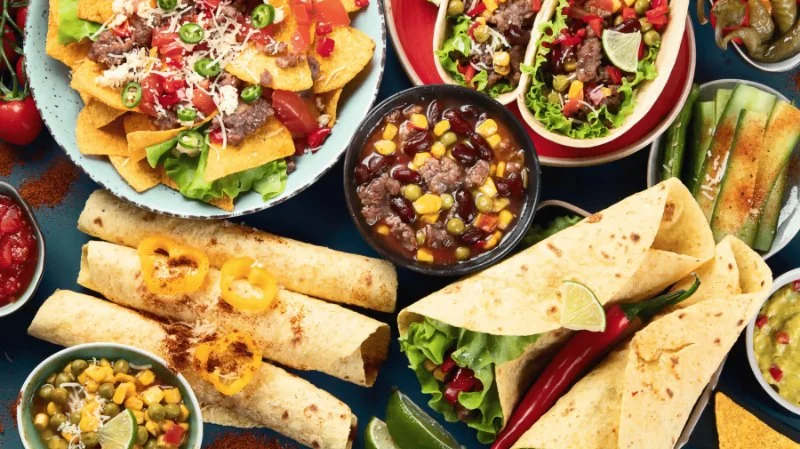
Mexican cuisine is known for its street food culture and hearty meals. Some classic Mexican dishes include:
- Tacos – Soft or hard tortillas filled with meats, fish, or vegetables, topped with fresh cilantro, onions, and salsas.
- Enchiladas – Rolled tortillas filled with meat or cheese, topped with a flavorful chili sauce.
- Tamales – Corn dough stuffed with a variety of fillings, wrapped in corn husks and steamed.
- Guacamole – A popular dip made from mashed avocado, lime, tomatoes, and chili peppers.
Spanish Signature Dishes
Spanish food is celebrated for its use of fresh, local ingredients. Some famous Spanish dishes include:
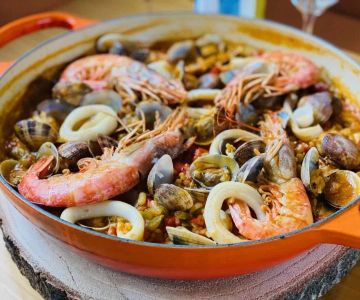
- Paella – A traditional Spanish rice dish typically made with seafood, chicken, and vegetables, infused with saffron and olive oil.
- Tortilla Española – A Spanish omelette made with potatoes, onions, and eggs, often served as a tapa.
- Gazpacho – A cold, refreshing tomato-based soup, perfect for warm weather.
- Jamón Ibérico – A type of cured ham, highly prized for its delicate flavor.
5. Cultural Influences on Mexican and Spanish Food
The cultural influences on Mexican and Spanish food are deeply tied to the histories of both regions. Mexican cuisine is largely influenced by indigenous ingredients, such as corn and beans, as well as Spanish colonialism, which introduced new cooking techniques and ingredients. Spanish food, on the other hand, reflects Mediterranean and Moorish influences, with a focus on olive oil, rice, and seafood, shaped by centuries of trade and cultural exchanges.
6. Real-Life Experiences: Mexican and Spanish Food Adventures
While both Mexican and Spanish food share some similarities, they each offer a unique culinary experience. For example, during a trip to Mexico, I had the chance to enjoy tacos al pastor from a street vendor. The slow-cooked pork, combined with pineapple and salsa, was an explosion of flavor that you simply can’t replicate anywhere else. In Spain, I savored a traditional seafood paella, where the combination of saffron and fresh shellfish created a dish that was both hearty and refined.
Both cuisines offer unforgettable dining experiences, but the choice between them often comes down to personal preference: do you crave the bold and spicy flavors of Mexico, or the savory and aromatic dishes of Spain?
If you’re interested in exploring more about Spanish cuisine, consider visiting Rubi Spanish Table for the best selection of Spanish ingredients and recipes to bring the flavors of Spain to your kitchen.
 Casablanca Restaurant4.0 (522 reviews)
 Isabella's Taverna & Tapas Bar4.0 (1784 reviews)
 Guardado's Restaurant4.0 (434 reviews)
 Chaval4.0 (682 reviews)
 El Parral4.0 (131 reviews)
 Taberna Ole4.0 (189 reviews)
 How to Make Spanish Chistorra a la Miel: Chistorra with Honey Recipe
 How to Make Spanish Tortas de Aceite at Home: Traditional Recipe
 How to Make Spanish Merluza a la Vasca: Basque-style Hake
 The Best Spanish Restaurants in Phoenix
 Exploring Spanish Street Food Recipes That Can Be Cooked at Home
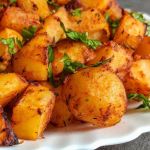 Traditional Spanish Spicy Potatoes Recipe