- 1 - History of Crema Catalana
- 2 - What Is Crema Catalana?
- 3 - Ingredients for Crema Catalana
- 4 - How to Make Crema Catalana
- 5 - Caramelizing the Sugar Top
- 6 - Serving and Enjoying Crema Catalana
- 7 - Crema Catalana Tips and Tricks
1 - History of Crema Catalana
Crema Catalana is a traditional Spanish dessert that hails from the Catalonia region. It is often referred to as the Spanish equivalent of crème brûlée, though the two desserts have some key differences. While crème brûlée uses vanilla as a base, Crema Catalana is flavored with cinnamon and citrus zest, giving it a uniquely Spanish twist. Historically, this dessert was enjoyed during Lent, and it's still a popular treat for festive occasions in Spain today.
1.1 Origins of Crema Catalana
Legend has it that Crema Catalana dates back to the 18th century. According to some stories, the first versions were made by clergymen at the Monastery of Poblet in Catalonia. However, it wasn’t until the 19th century that Crema Catalana became a household name across Spain, particularly in the Catalonia region.
1.2 Modern-Day Popularity
Today, Crema Catalana is enjoyed not only in Catalonia but throughout Spain and beyond. It has become a beloved dessert in Spanish restaurants and homes alike, thanks to its creamy texture and delightful caramelized sugar top.
2 - What Is Crema Catalana?
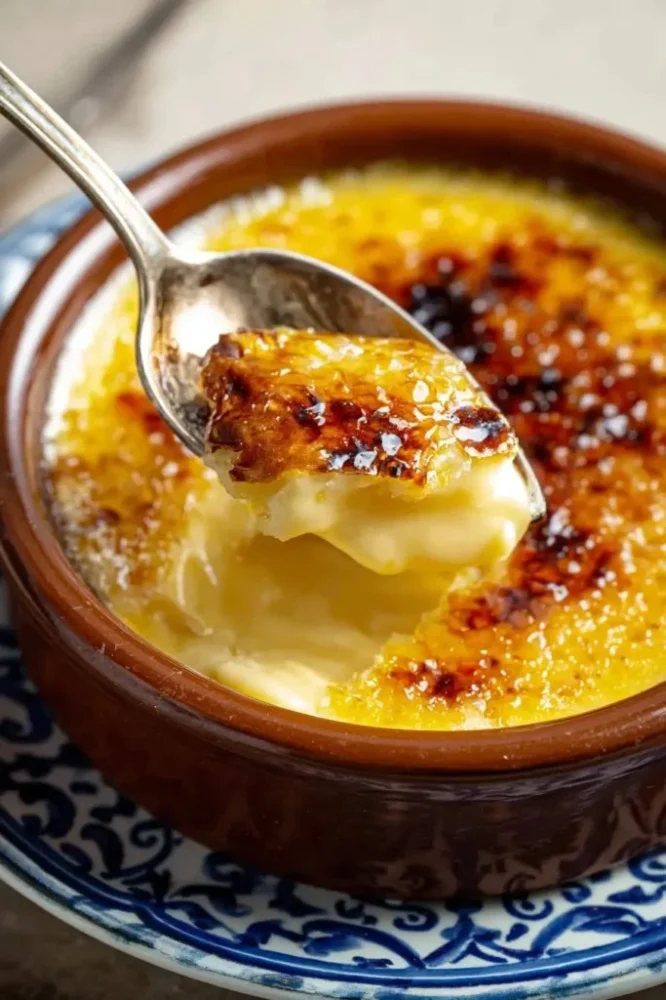
Crema Catalana is a rich, custard-like dessert made from egg yolks, milk, sugar, and flavored with cinnamon and lemon zest. Unlike its French counterpart, crème brûlée, it is typically cooked on the stove rather than baked in the oven. It’s traditionally topped with a layer of sugar, which is caramelized with a hot iron or a torch, creating a crispy, caramelized finish.
2.1 Key Differences Between Crema Catalana and Crème Brûlée
While both desserts share similarities, Crema Catalana is usually cooked on the stovetop, whereas crème brûlée is baked in the oven. Additionally, Crema Catalana’s signature flavor comes from the infusion of cinnamon and citrus, which is not present in crème brûlée.
3 - Ingredients for Crema Catalana
To make authentic Crema Catalana, you'll need the following ingredients:
- 4 large egg yolks
- 1/2 cup granulated sugar
- 2 cups whole milk
- 1 cinnamon stick
- 1 lemon peel (or orange peel for a twist)
- 2 tablespoons cornstarch
- 2 tablespoons sugar (for caramelizing the top)
3.1 Choosing the Right Milk
For the creamiest texture, whole milk is recommended. However, you can substitute with a non-dairy milk like almond milk if you prefer a dairy-free option. Just be aware that this might alter the flavor slightly.
3.2 Adding Flavor
The cinnamon stick and citrus peel are crucial for creating the signature flavors of Crema Catalana. Be sure to use fresh cinnamon and high-quality citrus for the best results.
4 - How to Make Crema Catalana
Making Crema Catalana is a straightforward process that involves heating milk, mixing egg yolks with sugar, and then combining everything together. Here’s a step-by-step guide:
4.1 Step 1: Infuse the Milk
In a saucepan, combine the milk with the cinnamon stick and lemon peel. Heat the mixture over medium heat until it begins to simmer, then remove from heat. Let the milk steep for about 10 minutes to infuse the flavors.
4.2 Step 2: Whisk the Egg Yolks and Sugar
In a separate bowl, whisk the egg yolks and sugar together until the mixture becomes pale and smooth. Add the cornstarch and whisk again until well combined.
4.3 Step 3: Combine the Mixtures
Slowly pour the infused milk into the egg mixture while whisking constantly. Return the combined mixture to the saucepan and cook over low heat, stirring continuously, until it thickens into a custard.
4.4 Step 4: Chill the Custard
Once the custard has thickened, pour it into individual ramekins. Allow it to cool at room temperature for a few minutes before refrigerating for at least 2 hours.
5 - Caramelizing the Sugar Top
Once the custard has chilled and set, it's time to add the signature caramelized sugar top.
5.1 Step 1: Sprinkle Sugar
Sprinkle a thin, even layer of sugar on top of each custard. It’s important to use fine granulated sugar for the best results.
5.2 Step 2: Caramelize the Sugar
To caramelize the sugar, you can either use a kitchen torch or place the ramekins under a broiler for a few minutes. The goal is to melt the sugar and create a crisp, golden-brown top.
6 - Serving and Enjoying Crema Catalana
Crema Catalana is best served cold with a crunchy, caramelized sugar topping. It can be garnished with a small piece of citrus peel for an extra touch of flavor.
6.1 Pairing with Wine
To elevate your Crema Catalana experience, pair it with a glass of Spanish dessert wine, such as a sweet Pedro Ximénez sherry.
7 - Crema Catalana Tips and Tricks
Here are some expert tips to help you perfect your Crema Catalana:
7.1 Preventing Lumps
To ensure your custard is smooth and lump-free, always whisk continuously when combining the egg mixture with the hot milk. This will help to prevent the eggs from curdling.
7.2 Using a Torch
If you don’t have a kitchen torch, you can still achieve a beautiful caramelized top by using the broiler. Just be sure to keep a close eye on it to avoid burning the sugar.



 Nonna's Empanadas - Original Farmers Market4.0 (241 reviews)
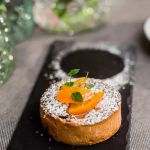 Cooks & Soldiers4.0 (2450 reviews)
 Mr Sabor4.0 (508 reviews)
 Fornos of Spain4.0 (4454 reviews)
 Los Latinos Deli & Grill4.0 (151 reviews)
 Buen Provecho Good Eats0.0 (0 reviews)
 The Best Spanish Restaurants in Louisville, Kentucky for Authentic Tapas
 How to Make Spanish Pollo al Horno con Limón, Ajo y Hierbas: Lemon Garlic Herb Roasted Chicken
 How to Make Spanish Chistorra a la Miel: Chistorra with Honey Recipe
 Exploring Spanish Paella Traditions Across Different Regions
 How to Make Spanish Gazpacho for Hot Summer Days
 The Best Spanish Restaurants in Nashville for Gourmet Paella