- 1. What is Paella?
- 2. The Magic of Socarrat
- 3. Ingredients for Authentic Spanish Paella
- 4. Step-by-Step Guide to Making Paella
- 5. Real-Life Paella Experience: A Spanish Feast
1. What is Paella?
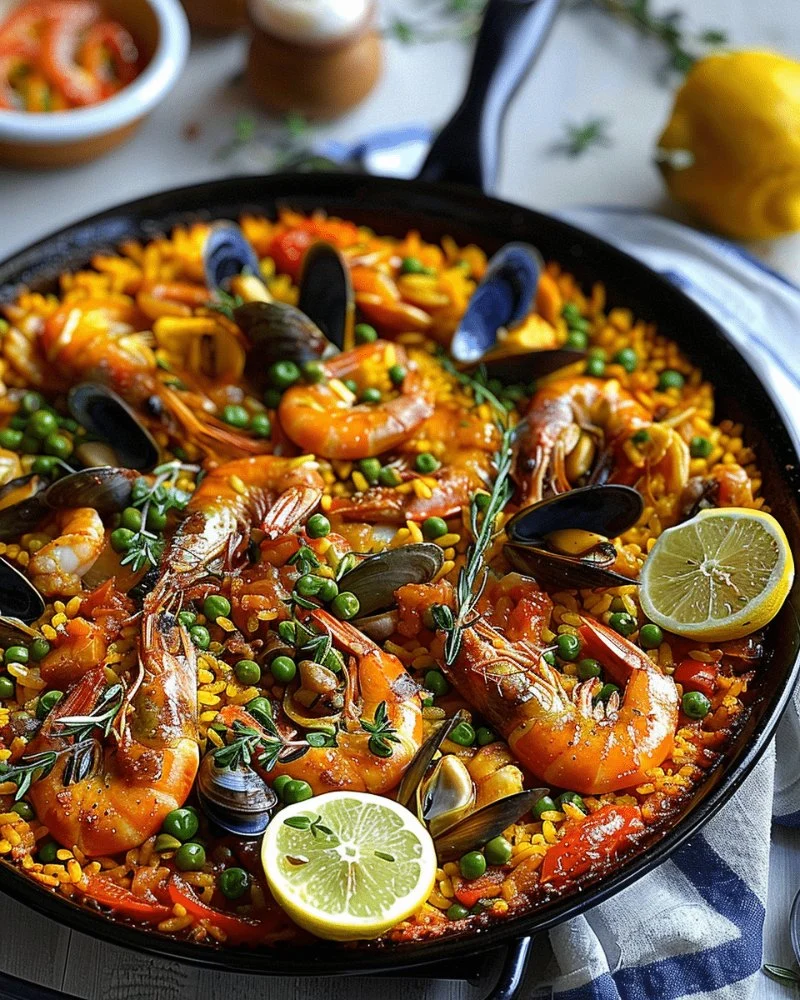
Paella is a traditional Spanish dish that originates from the region of Valencia. Known for its vibrant colors and bold flavors, this dish is made with a variety of ingredients like rice, saffron, vegetables, and meats, typically chicken, rabbit, seafood, or a combination of both. Paella is cooked in a wide, shallow pan called a “paellera,” which is essential for achieving the perfect texture and flavor.
The beauty of paella lies in its versatility, with different regions in Spain offering their own versions. However, the essence of a great paella is its socarrat — the crispy, caramelized rice that forms at the bottom of the pan, a hallmark of authentic paella.
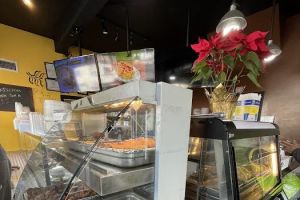
Los Monos Restaurant - formerly 3 Monkeys
PatersonPassaic CountyNew Jersey
400 Union Ave, Paterson, NJ 07502, USA
2. The Magic of Socarrat
Socarrat is the crispy, golden-brown layer of rice at the bottom of the paella pan. It's often considered the most coveted part of the dish by those who truly appreciate authentic paella. The process of creating socarrat involves allowing the rice to cook for just the right amount of time, creating a crunchy, flavorful crust without burning the rice.
Achieving the perfect socarrat requires a delicate balance of heat and timing. Too much heat, and it can burn; too little, and the socarrat won't form. It's the magic that turns paella from a simple rice dish into a culinary masterpiece. For many, the satisfaction of scraping up the socarrat at the end of a meal is part of what makes paella unforgettable.
3. Ingredients for Authentic Spanish Paella
The ingredients for authentic Spanish paella are simple but require quality products. Here’s what you need for a classic paella:
3.1 Rice
The type of rice used in paella is crucial. Short-grain rice, like “Bomba” rice, is the best choice because it absorbs liquids well without becoming mushy. Bomba rice can absorb up to three times its volume in liquid, making it perfect for paella.
3.2 Saffron
Saffron gives paella its distinct yellow color and a unique floral flavor. While it can be expensive, a little goes a long way, and it is a key ingredient in traditional Spanish paella.
3.3 Olive Oil
Spanish olive oil is often used to sauté the ingredients at the start. It adds depth to the dish’s flavor and is a staple in Spanish cooking.
3.4 Meat and Seafood
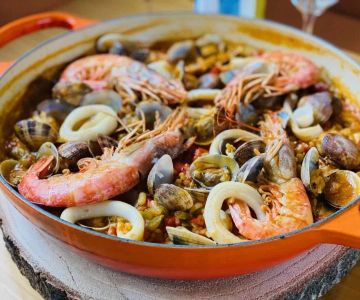
Depending on the variation, you may use chicken, rabbit, seafood, or a combination. Seafood paella often includes shrimp, mussels, clams, and squid, while a meat-based paella will focus on chicken and rabbit.
3.5 Vegetables
Common vegetables in paella include bell peppers, peas, tomatoes, and green beans. These add color and a fresh, light contrast to the richer flavors of the meats and rice.
4. Step-by-Step Guide to Making Paella
Now that you know the essentials, here’s a simple, yet traditional, recipe to make your own authentic Spanish paella with crispy socarrat:
4.1 Heat the Pan
Start by heating olive oil in a large paellera or wide pan over medium heat. Add the meat (either chicken or rabbit) and cook until browned. For seafood paella, this step is replaced by sautéing your seafood in oil.
4.2 Add Vegetables
Once the meat is browned, add your vegetables (bell peppers, peas, green beans, and tomatoes). Cook them until softened and well-mixed with the meat.
4.3 Add Rice and Saffron
Stir in the rice, allowing it to lightly toast in the oil for a minute or so. Add your saffron and water (or stock). Ensure that the rice is evenly spread across the pan, but avoid stirring once the liquid is added.
4.4 Simmer
Bring the mixture to a simmer. Do not stir the rice once you have added the liquid, as stirring can prevent the formation of socarrat. Let the paella simmer for about 15-20 minutes, or until the liquid has mostly evaporated.
4.5 Achieve Socarrat
Once the rice is nearly cooked, increase the heat for 1-2 minutes to form the socarrat. You’ll hear a crackling sound when the rice starts to crisp up at the bottom. Remove the paella from the heat and let it rest for a few minutes before serving.
5. Real-Life Paella Experience: A Spanish Feast
During a trip to Valencia, I had the pleasure of experiencing authentic Spanish paella at a local family-owned restaurant. The aroma of saffron and seafood filled the air, and when the dish was served, it was clear that the socarrat had been perfectly achieved. The crispy rice at the bottom added an extra layer of flavor and texture that made each bite even more enjoyable.
The meal was more than just a dish; it was a celebration of Spanish culture, history, and the care put into making paella. It’s a memory I carry with me every time I cook paella at home.
If you're interested in making your own paella with crispy socarrat, visit Rubi Spanish Table for the best ingredients, cookware, and tips to recreate this delicious dish in your own kitchen.
 FIFTEEN 3605.0 (7 reviews)
 Circulo Español4.0 (319 reviews)
 El Pollo Chulo3.0 (18 reviews)
 Barcelona Wine Bar4.0 (3753 reviews)
 Café Riazor4.0 (267 reviews)
 Spanish Restaurant Tapas - Alcala4.0 (455 reviews)
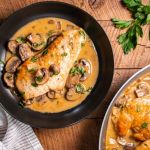 How to Make Spanish Pollo a la Cerveza con Champiñones: Beer-Braised Chicken with Mushrooms
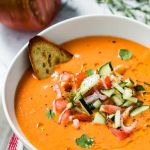 How to Make Spanish Gazpacho for Hot Summer Days
 The Best Spanish Restaurants in Tampa: Top Spots for Authentic Flavors
 How to Make Spanish Style Roasted Potatoes
 Traditional Spanish Seafood with Slow Simmered Broth: A Delicious Culinary Experience
 The Best Spanish Food Tours in Spain: Discover Authentic Culinary Delights