
- 1. Why Choose Tapas for Entertaining?
- 2. Essential Tapas Ingredients and Flavors
- 3. Tapas Combinations for a Perfect Party
- 4. Pairing Wines with Tapas
- 5. Tips for Serving Tapas at Home
1. Why Choose Tapas for Entertaining?
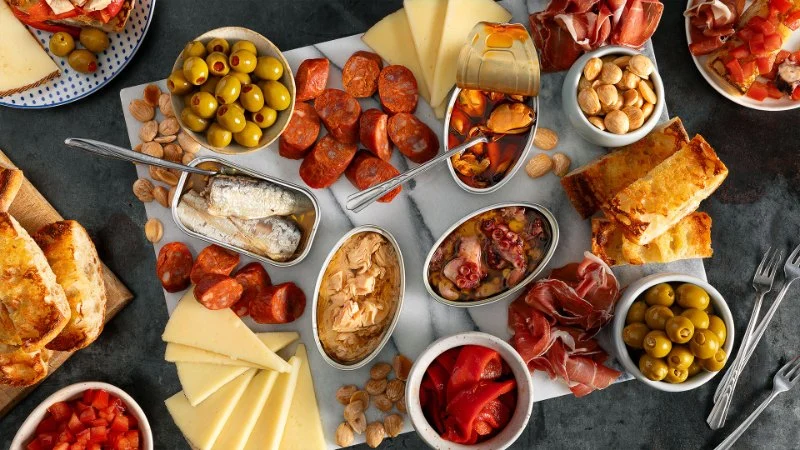
Tapas are the perfect choice for entertaining guests, as they provide a variety of small, flavorful dishes that everyone can enjoy. Originating from Spain, tapas are ideal for creating a fun and interactive dining experience. These bite-sized treats allow guests to sample a wide range of flavors, from savory meats to fresh vegetables and rich cheeses.
Tapas also encourage conversation and sharing, making them a fantastic option for casual get-togethers or more formal gatherings. Whether you're hosting a small dinner party or a large celebration, tapas offer flexibility and are sure to please a crowd with diverse tastes.

2. Essential Tapas Ingredients and Flavors
Before diving into specific tapas combinations, it's important to familiarize yourself with the essential ingredients that define this Spanish cuisine. Tapas are typically made with fresh, simple ingredients that highlight bold flavors. Here are some key components to consider when planning your tapas menu:

2.1 Spanish Cheeses
Spanish cheeses such as Manchego, Cabrales, and Queso de Mahón are staples in tapas dishes. These cheeses offer a range of flavors, from mild and creamy to sharp and tangy, making them ideal for pairing with other tapas ingredients like cured meats and olives.
2.2 Cured Meats
Cured meats are an essential part of tapas. Spanish varieties like Jamón Ibérico, Chorizo, and Salchichón add a savory and sometimes spicy element to your tapas. These meats are perfect for serving alongside cheeses or using as fillings for small sandwiches known as montaditos.
2.3 Fresh Vegetables and Seafood
Fresh vegetables like tomatoes, peppers, and artichokes are commonly used in tapas. Similarly, seafood, such as shrimp, squid, and anchovies, can elevate your tapas experience with a light and flavorful touch.
2.4 Olive Oil and Spices
Olive oil is a cornerstone of Spanish cuisine and is used generously in many tapas dishes. It enhances the natural flavors of the ingredients while adding richness. Spices such as smoked paprika and saffron are often used to add depth and warmth to the dishes.
3. Tapas Combinations for a Perfect Party
Creating the right combination of tapas is key to a successful party. You’ll want to offer a variety of flavors, textures, and ingredients to keep your guests excited. Here are a few tapas combinations that are sure to impress:
3.1 Meat Lovers’ Delight
A combination of Jamón Ibérico, Chorizo, and small meatballs (albondigas) creates a hearty and satisfying tapas platter. Add some Manchego cheese and a few olives for extra flavor, and your meat-loving guests will be more than happy.
3.2 Mediterranean Flavors
For a lighter, Mediterranean-inspired spread, combine grilled vegetables like peppers and zucchini with seafood tapas such as shrimp skewers or calamari. Serve alongside marinated olives and a selection of Spanish cheeses to complete the experience.
3.3 Vegetarian Tapas
Vegetarian tapas can be just as flavorful and satisfying as their meaty counterparts. A combination of stuffed peppers, Spanish tortilla (a potato omelet), and roasted artichokes offers a variety of textures and tastes. Add a side of roasted almonds and hummus for a balanced spread.
3.4 Sweet and Savory Pairing
To balance the savory dishes, include some sweet tapas like chorizo with honey or a selection of fresh fruit drizzled with olive oil. The sweetness will complement the more savory elements, creating a memorable dining experience.
4. Pairing Wines with Tapas
Wine is an essential part of the tapas experience, and pairing the right wine with your tapas can elevate the entire meal. Spain is known for its excellent wine regions, such as Rioja and Ribera del Duero. Here are some wine pairing suggestions for your tapas menu:
4.1 Red Wines
A medium-bodied red wine, such as a Rioja or Tempranillo, pairs well with cured meats and hearty tapas like albondigas or patatas bravas. The rich flavors of the wine complement the savory notes of the meats.
4.2 White Wines
For lighter seafood and vegetable-based tapas, a crisp white wine such as Albariño or Verdejo is a perfect match. These wines have a refreshing acidity that balances the richness of dishes like grilled shrimp or stuffed peppers.
4.3 Sherry
Sherry, a fortified wine from Andalusia, is often served with tapas in Spain. Dry sherry (Fino or Manzanilla) pairs well with olives, nuts, and seafood, while sweeter sherries (Pedro Ximénez) can be enjoyed with dessert tapas like chocolate mousse or flan.
5. Tips for Serving Tapas at Home
Hosting a tapas night at home is an enjoyable and interactive way to entertain guests. Here are some tips to make your tapas party a success:
5.1 Keep It Simple
While it’s tempting to go all out with a wide array of dishes, remember that tapas are meant to be simple and focused on quality ingredients. Don’t overwhelm yourself with too many choices—select a few key dishes that showcase the best of Spanish cuisine.
5.2 Serve at Room Temperature
Tapas are typically served at room temperature, which allows the flavors to shine through. Prepare your dishes ahead of time and serve them on a variety of plates or platters for guests to help themselves.
5.3 Add a Spanish Playlist
Set the mood with some traditional Spanish music playing in the background. The right ambiance can enhance the experience and make your tapas party feel like a true Spanish celebration.
If you're looking for high-quality Spanish ingredients for your tapas, be sure to visit Rubi Spanish Table for a curated selection of authentic Spanish foods, wines, and kitchenware to elevate your tapas creations.


 3 Flags Grill & Restaurant4.0 (333 reviews)
 Café Salamanca4.0 (525 reviews)
 Equis Pica Pollo Fulton4.0 (40 reviews)
 Gypsy Kitchen DC4.0 (1780 reviews)
 Ruby Bakery And Pizzeria3.0 (3 reviews)
 Casa Luis4.0 (355 reviews)
 Spanish Tapas Recipes for Summer Evenings
 How to Make Spanish Tarta de Fresas con Crema: Strawberry Cream Cake
 How to Make Spanish Croquetas de Pollo con Salsa Bechamel: Chicken Croquettes with Cream Sauce
 Traditional Spanish Seafood and Tomato Rice: A Delicious Culinary Experience
 Exploring Spanish Cooking Techniques for Perfect Seafood Dishes
 Discovering the Unique Flavors of Spanish Olive Oil-Based Dishes