
- 1. Introduction to Spanish Tapas Culture
- 2. The History of Tapas: Origins and Evolution
- 3. Tapas as a Social Tradition
- 4. Regional Variations of Tapas
- 5. Tapas in Modern Times
- 6. How to Make Tapas at Home
1. Introduction to Spanish Tapas Culture
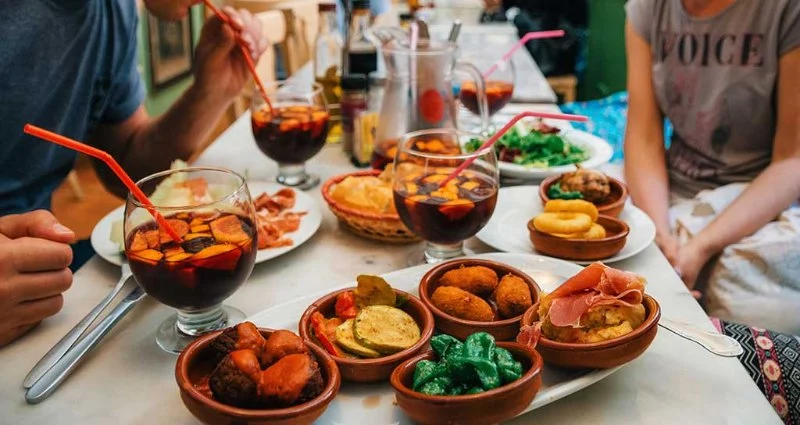
Spanish tapas culture is an integral part of Spain's social and culinary life. Originally, tapas were small snacks or appetizers served alongside drinks, offering a unique way to socialize and share meals with friends and family. Today, tapas have become synonymous with Spain’s vibrant food culture and are enjoyed worldwide in restaurants and homes alike.
These small bites are more than just food; they represent a tradition that brings people together. From casual snacks to elaborate dishes, tapas offer a delightful way to experience Spanish cuisine in all its variety. Whether you're in a lively Madrid bar or enjoying a quiet evening at home, tapas hold a special place in Spanish culture.

2. The History of Tapas: Origins and Evolution
The origins of tapas date back to the 13th century, though their exact beginnings remain shrouded in legend. One popular story suggests that tapas were born out of a practical need — to cover (or "tapar") drinks and keep flies out. As time went on, tavern owners began placing small snacks atop drinks, creating the first tapas. However, another theory points to Andalusia, where the habit of serving small portions of food with wine became commonplace in the 19th century.
As tapas evolved, they became more than just a way to cover drinks; they developed into a diverse range of dishes that reflect the different regions of Spain. From seafood dishes in coastal areas to hearty meats in the interior, tapas offer a snapshot of Spain’s varied culinary landscape. Over time, the practice of sharing small plates became a defining feature of Spanish meals.

Solun Tapas Bar
WoodbridgeSouth Central Connecticut Planning RegionConnecticut
245 Amity Rd, Woodbridge, CT 06525, USA
3. Tapas as a Social Tradition
Tapas are more than just food — they are a social ritual. The act of sharing tapas encourages conversation, laughter, and camaraderie, making it an important tradition in Spanish social life. In Spain, it’s common to go out with friends or family to a local bar, where you can enjoy a variety of tapas while sipping on wine or beer.
This tradition is called "tapear," and it’s a beloved pastime for many Spaniards. Tapas bring people together, and the variety of flavors and textures makes the experience more dynamic. Whether you're nibbling on olives, savoring chorizo, or indulging in seafood paella, each tapa is a chance to discover new flavors and enjoy the company of others.
4. Regional Variations of Tapas
One of the most exciting aspects of tapas is the regional diversity. Tapas are not the same throughout Spain; each region has its unique take on these small plates, often influenced by local ingredients and traditions. In the south of Spain, particularly Andalusia, seafood tapas are incredibly popular. Dishes like "gambas al ajillo" (garlic shrimp) or "pescaíto frito" (fried fish) are common in coastal regions.
In contrast, northern Spain offers hearty tapas like "morcilla" (blood sausage) and "tortilla de patatas" (potato omelet). In the Basque country, pintxos, which are similar to tapas but served on skewers, are the star of the show. Each region’s unique offerings reflect the diversity of Spanish culinary traditions and provide a deeper understanding of the country’s rich food culture.
5. Tapas in Modern Times
Tapas have come a long way since their humble beginnings as simple snacks served with drinks. Today, they are featured in fine dining restaurants, where chefs put their own creative spin on traditional dishes. Modern tapas may incorporate international influences, use advanced cooking techniques, or present classic tapas in new forms.
Despite these changes, the essence of tapas remains the same: sharing small, flavorful dishes with friends and family. Tapas continue to be a central part of Spanish culture, blending tradition with innovation. In the U.S. and other countries, tapas bars have become popular, giving people a chance to enjoy this social dining experience wherever they are.
6. How to Make Tapas at Home
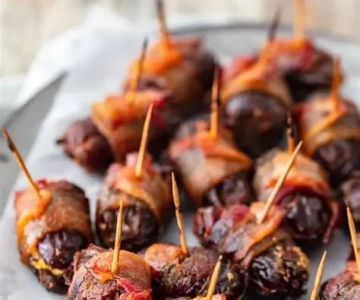
Now that you understand the history and tradition behind tapas, you may be inspired to try making them at home. Preparing tapas can be a fun and rewarding experience, and you don't need to be a professional chef to create delicious dishes. Here are a few classic tapas recipes to get you started:
Patatas Bravas
One of the most beloved tapas, patatas bravas are crispy fried potatoes served with a spicy tomato sauce. To make it at home, simply fry potato cubes and prepare a homemade sauce with tomatoes, garlic, chili, and olive oil.
Gambas al Ajillo (Garlic Shrimp)
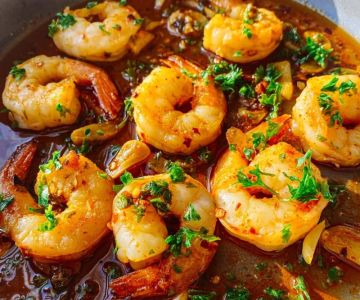
This dish is quick and easy to make. Sauté shrimp in olive oil with garlic and chili, and serve with a sprinkle of parsley. It’s simple but bursting with flavor.
Chorizo al Vino
Chorizo sausage cooked in red wine is a popular tapa in Spain. The wine adds depth to the smoky flavor of the chorizo. Simply cook sliced chorizo in a pan with red wine and serve with bread for soaking up the juices.
To gather all the authentic ingredients you'll need, check out Rubi Spanish Table for the finest Spanish products and kitchen essentials.


 Fideua Taste of Spain5.0 (174 reviews)
 Guatemaya Deli & Restaurant5.0 (8 reviews)
 FIFTEEN 3605.0 (7 reviews)
 Vila Verde Restaurant4.0 (830 reviews)
 Ibiza Restaurant Hamden4.0 (325 reviews)
 Toro Kitchen + Bar4.0 (926 reviews)
 The Most Popular Spanish Tapas Recipes in the US: A Complete Guide
 The Best Spanish Food Markets in Alicante for Seasonal Fresh Produce
 A Beginner’s Guide to Cooking Spanish Tortilla de Patatas
 How to Make Spanish Albóndigas de Pescado: Fish Meatballs in Tomato Sauce
 The Secret to Perfectly Grilled Spanish Chorizo
 How to Make Spanish Pimientos Rellenos de Queso y Jamón: Cheese and Ham Stuffed Peppers