
- 1-History-of-Fabada-Asturiana
- 2-Key-Ingredients-and-Selection
- 3-Preparing-the-Beans
- 4-Cooking-the-Stew-Step-by-Step
- 5-Serving-and-Pairing-Tips
- 6-Tips-for-Authentic-Flavor
- 7-Home-Cooking-Stories
1. History of Fabada Asturiana
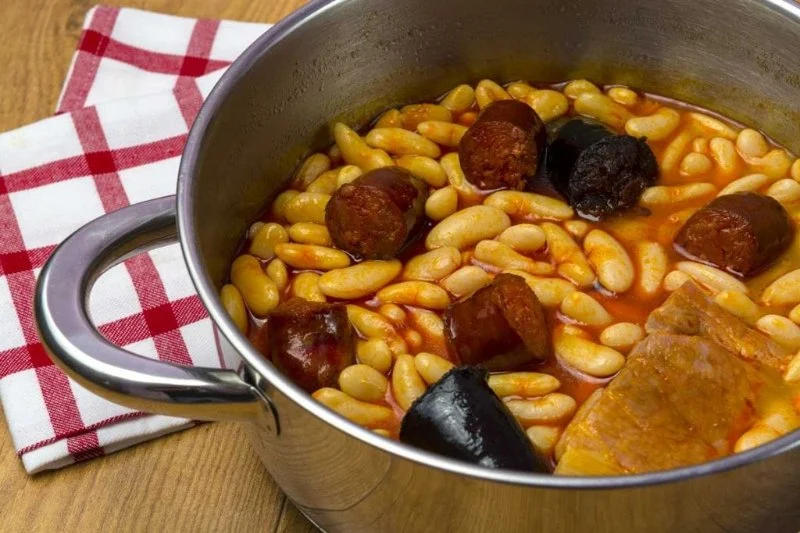
Fabada Asturiana is a classic Spanish stew originating from Asturias, a region in northern Spain. Traditionally, it was a hearty meal for miners and farmers, designed to provide warmth and sustenance during long, cold days. The dish’s rich flavor comes from a combination of white beans, cured pork, and spicy chorizo, making it both comforting and deeply satisfying.
Understanding the history of Fabada Asturiana helps home cooks appreciate the careful balance of ingredients and the slow-cooked tradition that defines this iconic Spanish bean stew.
2. Key Ingredients and Selection
2.1 Choosing the Right Beans
The foundation of authentic Fabada Asturiana is the Fabes de la Granja, large white beans native to Asturias. If these are unavailable, any large, creamy white bean can work. Look for beans that are plump, uniform in size, and free of cracks.
2.2 Meats for Flavor
Traditional recipes call for chorizo, morcilla (blood sausage), and pancetta or smoked bacon. These cured meats contribute depth and a subtle smokiness to the stew. For home cooks in the U.S., locally available Spanish-style chorizo is an excellent substitute for an authentic flavor.
2.3 Aromatics and Spices
Onions, garlic, paprika, and saffron are essential for seasoning. Using Spanish smoked paprika (pimentón) is key to achieving the signature warm, earthy taste. Olive oil, a staple in Spanish cooking, also enriches the stew and adds a silky texture.
3. Preparing the Beans
Preparation is crucial for a perfect Fabada. Begin by soaking the beans in cold water overnight to soften them and reduce cooking time. Drain and rinse the beans before adding them to the stew. This simple step ensures even cooking and prevents the beans from splitting during simmering.
4. Cooking the Stew Step by Step
4.1 Browning the Meats
Start by gently browning the chorizo, morcilla, and pancetta in olive oil. This step releases flavors that form the stew’s aromatic base.
4.2 Layering Ingredients
Add the soaked beans, garlic, and onion to a large pot. Pour enough water to cover the beans and meats, then bring to a gentle simmer. Avoid boiling vigorously to keep the beans intact.
4.3 Slow Cooking
Simmer the stew on low heat for 2–3 hours, occasionally skimming off excess fat and stirring gently. This slow cooking allows flavors to meld and ensures a creamy, rich texture that defines Fabada Asturiana.
5. Serving and Pairing Tips
Serve Fabada Asturiana hot, ideally in wide bowls to showcase the beans and meats. Pair the stew with a crusty Spanish bread or a light green salad to balance the richness. Some enthusiasts also enjoy it with a glass of dry Spanish red wine, which complements the smoky flavors.
6. Tips for Authentic Flavor
- Use Spanish smoked paprika and saffron for traditional seasoning.
- Do not rush the cooking process; slow simmering is essential.
- Skim off excess fat to prevent an overly greasy stew.
- Rest the stew for a few hours or overnight; flavors deepen beautifully after sitting.
These subtle techniques help achieve a dish that closely mirrors the authentic Fabada Asturiana served in Asturias, Spain. For premium ingredients and cooking tools, Rubi Spanish Table provides carefully selected products for home chefs.
7. Home Cooking Stories
Maria, a Spanish expat in New York, recalls preparing Fabada Asturiana for a family gathering. By using a mix of local beans and imported Spanish chorizo, she recreated the traditional flavor her grandmother served in Asturias. Guests were impressed by the richness and comforting aroma, demonstrating that with care and quality ingredients, anyone can master this classic stew.
Another home cook shared online how slow-cooking the stew overnight in a ceramic pot elevated the texture and flavor, making it a weekend favorite. These experiences highlight the joy and satisfaction of preparing Fabada Asturiana at home.




 Bota Tapas & Paella Bar4.0 (515 reviews)
 Mir Tapas Lounge4.0 (85 reviews)
 Spanish River Grill & Wine Bar4.0 (179 reviews)
 El Tapeo Modern Spanish Kitchen4.0 (214 reviews)
 Café Madrid4.0 (1280 reviews)
 Esperpento Restaurant4.0 (867 reviews)
 The Best Spanish Restaurants in Indianapolis for Family Dining
 Spanish Seafood Casserole with Garlic Butter Sauce: A Delicious Recipe
 How to Make Spanish Arroz con Mariscos, Pollo y Verduras: Seafood, Chicken, and Vegetable Paella
 Spanish Comfort Desserts You’ll Love: Sweet Traditions from Spain
 How to Make Spanish Tarta de Naranja: Orange Cake Recipe
 The Best Spanish Restaurants in Miami Beach for Gourmet Tapas