- 1 - Understanding Spanish Migas
- 2 - Key Ingredients for Authentic Migas
- 3 - Preparing the Bread and Garlic Base
- 4 - Cooking Tips for Perfect Migas
- 5 - Serving and Pairing Migas
- 6 - Exploring Rubi Spanish Table for Resources
1. Understanding Spanish Migas
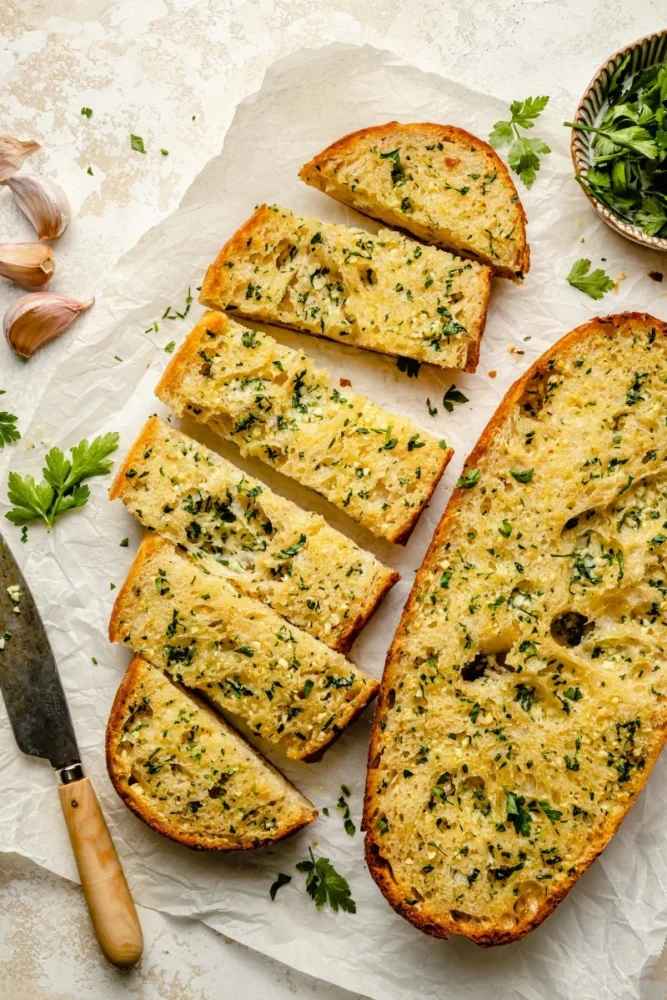
Spanish Migas is a traditional dish with humble origins, originally prepared by shepherds using leftover bread, garlic, and olive oil. Over time, it has evolved into a beloved staple across Spain, especially in regions like Andalusia and Extremadura. Migas is celebrated for its simplicity, bold flavors, and adaptability, often including ingredients like chorizo, peppers, or eggs.
El Agave Bar Lounge Restaurant- YONKERS
YonkersWestchester CountyNew York
12a Guion St, Yonkers, NY 10701, USA
1.1 Cultural Significance
Migas embodies Spain’s resourceful culinary traditions, turning stale bread into a hearty, flavorful meal. In rural Andalusian households, families have passed down Migas recipes for generations, preserving regional variations that reflect local tastes.
1.2 Appeal for Home Cooks
Its simplicity and flexibility make Migas ideal for American home cooks. With accessible ingredients and straightforward preparation, anyone can recreate this authentic Spanish dish in their own kitchen.
2 - Key Ingredients for Authentic Migas
Selecting quality ingredients is essential to achieve the true flavor of Spanish Migas.
2.1 Bread
Day-old rustic bread or country-style bread works best. Cutting it into small crumbs allows it to absorb the flavors of garlic and olive oil. A cook in Texas noted that using a hearty sourdough loaf provided excellent texture and flavor for her Migas.
2.2 Garlic and Olive Oil
Fresh garlic and high-quality Spanish olive oil are the backbone of the dish. These ingredients infuse the bread with aromatic, savory notes that define traditional Migas.
2.3 Optional Ingredients
Chorizo, bell peppers, paprika, or fried eggs are popular additions. They add richness and variety, allowing the dish to transition from a simple snack to a full meal. Rubi Spanish Table recommends pairing ingredients thoughtfully to preserve authentic flavors.
3 - Preparing the Bread and Garlic Base
The base of Migas is where technique and timing matter most.
3.1 Preparing the Bread
Cut bread into small, uniform crumbs. Ensure the pieces are consistent in size to allow even browning during cooking.
3.2 Sautéing Garlic
Gently sauté minced garlic in olive oil over medium heat until fragrant, taking care not to burn it. The aroma should be inviting and savory, forming the foundation for the dish.
3.3 Combining Bread with Aromatics
Add bread crumbs to the garlic and oil mixture. Stir continuously to coat the crumbs evenly, allowing them to toast lightly and absorb the flavors. This step is crucial for achieving the ideal texture: golden and slightly crisp on the outside, soft inside.
4 - Cooking Tips for Perfect Migas
Even a simple dish like Migas benefits from careful attention to technique.
4.1 Control the Heat
Medium heat ensures the bread crisps without burning. Adjust as needed and stir frequently for even cooking.
4.2 Layering Flavors
Add optional ingredients like chorizo or peppers after the bread begins to brown. This allows their flavors to meld without overpowering the garlic and bread base.
4.3 Texture and Timing
The final dish should be lightly crispy with tender crumbs. Cooking time may vary depending on bread type and quantity, so tasting and observing color is key.
5 - Serving and Pairing Migas
Presentation and accompaniments enhance the enjoyment of Migas.
5.1 Serving Options
Serve Migas warm, straight from the pan. For a traditional touch, top with a fried egg or sprinkle with fresh parsley.
5.2 Pairing with Beverages
Spanish Migas pairs well with light red wines, dry sherries, or even a chilled glass of sparkling water. Families in California often enjoy it with a side of roasted vegetables for a balanced meal.
5.3 Family and Social Experience
Migas is often enjoyed communally, reflecting its roots as a shepherds’ meal. Sharing the dish fosters connection and celebrates Spain’s culinary heritage.
6 - Exploring Rubi Spanish Table for Resources
Rubi Spanish Table is an excellent resource for home cooks seeking authenticity and guidance.
6.1 Ingredient Sourcing
Find traditional olive oils, spices, and cured meats to recreate Migas with true Spanish flavors.
6.2 Recipes and Tips
Access step-by-step recipes, cooking tips, and tutorials to ensure successful results. Learning from authentic sources improves flavor and technique.
6.3 Cookware Recommendations
Rubi Spanish Table also suggests ideal pans and utensils to achieve perfect textures and traditional presentation for Migas and other Spanish dishes.
 Addictive NYC4.0 (261 reviews)
 Barcelona Wine Bar4.0 (1640 reviews)
 Toro Kitchen + Bar4.0 (926 reviews)
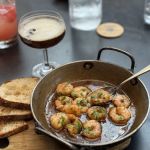 Boqueria Fulton Market4.0 (2048 reviews)
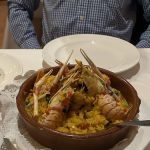 Pintxo y Tapas4.0 (509 reviews)
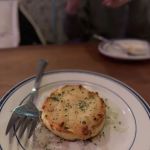 mfk. Restaurant4.0 (408 reviews)
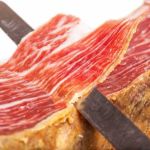 The Art of Making Spanish Jamón Ibérico at Home
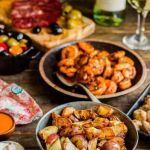 Spanish Party Tapas Ideas with Authentic Taste
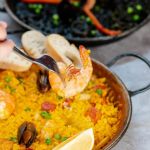 The Best Spanish Restaurants in San Antonio for Tapas and Paella
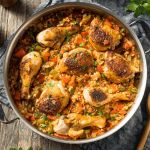 How to Make Spanish Arroz con Pollo y Verduras: Chicken and Vegetable Paella
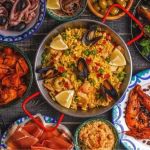 Exploring Spanish Culinary Traditions Through Seasonal Ingredients
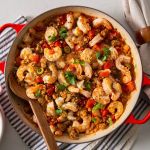 Authentic Spanish Rice with Chorizo and Shrimp