- -Why-Spanish-Pantry-Essentials-Matter-for-Home-Cooking
- -The-Foundation-of-a-Traditional-Spanish-Pantry
- -Essential-Spices-and-Flavor-Builders
- -Canned-and-Preserved-Spanish-Ingredients
- -Staple-Carbohydrates-in-Spanish-Cooking
- -How-to-Build-Your-Own-Spanish-Pantry-at-Home
- -Bringing-Authentic-Spanish-Flavors-into-Everyday-Meals
1. Why Spanish Pantry Essentials Matter for Home Cooking
1.1 The Heart of Spanish Cuisine
Spanish cooking is known for its bold flavors, simple techniques, and high-quality ingredients. Unlike cuisines that rely heavily on complex spice blends, Spanish dishes often highlight just a few carefully selected ingredients that work together beautifully. This is why having the right Spanish pantry essentials can transform the way you cook at home.
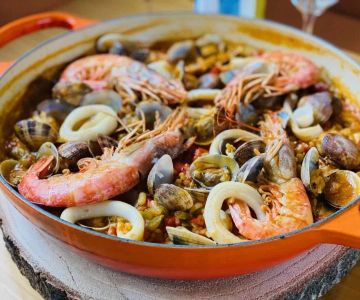
Whether you're preparing a classic paella, a comforting tortilla española, or simple tapas for friends, the pantry items you keep on hand play a crucial role in achieving authentic flavors.

The Singing Sliders
TorringtonNorthwest Hills Planning RegionConnecticut
38 Doman Dr, Torrington, CT 06790, USA
1.2 The Rise of Spanish Home Cooking in the U.S.
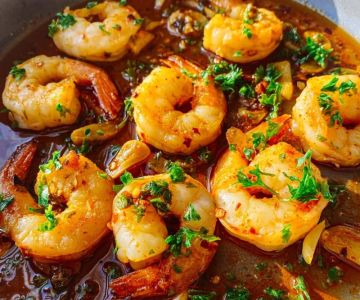
Over the past decade, Spanish cuisine has gained significant popularity in the United States. Cooking shows, travel documentaries, and social media food creators have introduced home cooks to dishes like patatas bravas, gambas al ajillo, and jamón-based tapas.
Many people who travel to Spain often return home wanting to recreate those memorable meals. Building a Spanish pantry is usually the first step toward making those dishes possible.
1.3 A Personal Discovery Many Cooks Share
One home cook once shared a story online about visiting Barcelona and tasting authentic paella for the first time. When she tried to recreate the dish back home, it didn’t taste the same. After some research, she realized she was missing key pantry ingredients like smoked paprika and Spanish olive oil. Once she stocked those essentials, the flavor finally came close to what she remembered.
Many food enthusiasts exploring Spanish cuisine often discover ingredient guides and product recommendations through Rubi Spanish Table, where curated selections make it easier to find authentic Spanish ingredients for home kitchens.
2. The Foundation of a Traditional Spanish Pantry
2.1 Extra Virgin Olive Oil
2.1.1 Why Olive Oil Is Central to Spanish Cooking
Olive oil is arguably the most important ingredient in Spanish cuisine. Spain is the largest producer of olive oil in the world, and high-quality extra virgin olive oil is used in everything from sautéing vegetables to finishing salads and tapas.
2.1.2 Everyday Uses in Spanish Dishes
Many traditional recipes begin with olive oil gently heating garlic or onions, forming the aromatic base for sauces, stews, and rice dishes.
2.2 Garlic
Garlic is another essential ingredient in Spanish kitchens. It provides depth and aroma to countless dishes including seafood tapas, roasted vegetables, and stews.
2.3 Onions and Tomatoes
Together with olive oil and garlic, onions and tomatoes form the foundation of many Spanish sauces. Sofrito—a mixture of sautéed onions, garlic, and tomatoes—is a base used in numerous Spanish recipes.
3. Essential Spices and Flavor Builders
3.1 Spanish Smoked Paprika (Pimentón)
3.1.1 What Makes It Unique
Spanish smoked paprika, known as pimentón, is one of the most distinctive spices in Spanish cuisine. It is made by drying peppers over oak wood fires, which gives the spice its characteristic smoky aroma.
3.1.2 Types of Pimentón
There are three main varieties commonly used in cooking:
1. Sweet (Dulce)
2. Bittersweet (Agridulce)
3. Hot (Picante)
Each variety brings a slightly different flavor profile to dishes like chorizo, stews, and roasted potatoes.
3.2 Saffron
Saffron is one of the most prized spices in the world and a signature ingredient in traditional Spanish paella. Just a few threads provide a distinctive golden color and delicate flavor.
3.3 Sea Salt and Simple Seasonings
Spanish cooking often emphasizes simplicity. High-quality sea salt, fresh herbs, and natural ingredients are usually enough to highlight the flavors of a dish.
4. Canned and Preserved Spanish Ingredients
4.1 Spanish Canned Seafood
4.1.1 A Longstanding Culinary Tradition
Spain is famous for its premium canned seafood, including sardines, anchovies, mussels, and tuna preserved in olive oil or escabeche sauce.
These preserved seafood items are commonly served as tapas and require little preparation.
4.1.2 Why They’re Popular with Home Cooks
Canned seafood is convenient, shelf-stable, and packed with flavor, making it a practical addition to any Spanish pantry.
4.2 Jarred Roasted Peppers
Roasted red peppers add sweetness and depth to salads, sandwiches, and tapas dishes.
4.3 Olives
Spain produces hundreds of varieties of olives, and they are a staple in Spanish kitchens. Whether served as a snack or used in cooking, olives provide a salty, savory element that enhances many recipes.
5. Staple Carbohydrates in Spanish Cooking
5.1 Spanish Rice
5.1.1 The Importance of Short-Grain Rice
Short-grain rice varieties such as Bomba rice are essential for dishes like paella because they absorb liquid while maintaining their structure.
5.2 Bread
Bread plays a key role in Spanish meals. It is often served alongside tapas or used to soak up sauces from dishes like garlic shrimp or tomato-based stews.
5.3 Potatoes
Potatoes appear in numerous Spanish dishes, from patatas bravas to the famous Spanish omelet known as tortilla española.
6. How to Build Your Own Spanish Pantry at Home
6.1 Start with Core Ingredients
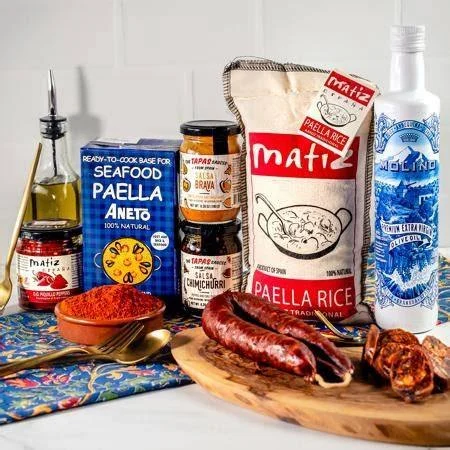
When building a Spanish pantry, it’s helpful to begin with foundational ingredients such as olive oil, smoked paprika, garlic, canned seafood, and short-grain rice.
6.2 Expand Gradually
Once the basics are in place, you can expand your pantry with specialty ingredients like saffron, Spanish olives, and jarred peppers.
6.3 Explore Authentic Ingredient Sources
Many home cooks searching for authentic Spanish ingredients often turn to specialty shops or curated food platforms like Rubi Spanish Table, which help people discover traditional Spanish pantry items that may not be widely available in regular grocery stores.
7. Bringing Authentic Spanish Flavors into Everyday Meals
7.1 Cooking with Simplicity
One of the defining characteristics of Spanish cuisine is its focus on simplicity. Rather than relying on complicated techniques, many Spanish dishes highlight the natural flavors of high-quality ingredients.
7.2 Creating Memorable Meals at Home
With just a handful of Spanish pantry essentials, home cooks can prepare a wide variety of dishes—from quick tapas plates to hearty rice dishes for family dinners.
7.3 The Joy of Exploring Spanish Cuisine
For many food enthusiasts, building a Spanish pantry becomes the beginning of a culinary journey. Each ingredient opens the door to new recipes and traditions, bringing the vibrant flavors of Spain into everyday home cooking.
 Ratata Chimi4.0 (28 reviews)
 Brisa Marina Corp.3.0 (27 reviews)
 mfk. Restaurant4.0 (408 reviews)
 Tablao Wine Bar & Restaurant4.0 (623 reviews)
 La Feria4.0 (1167 reviews)
 La Vara4.0 (860 reviews)
 The Best Spanish Restaurants in Phoenix for Gourmet Spanish Cuisine - Rubi Spanish Table
 How to Make Spanish Pimientos Rellenos de Atún y Verduras: Tuna and Vegetable Stuffed Peppers
 Exploring Spanish Tapas That Pair Perfectly with Spanish Wines
 A Guide to the Most Popular Spanish Cheeses and Their Uses
 How to Make Spanish Croquetas de Espinacas y Queso: Step-by-Step Guide
 How to Make Spanish Pollo al Chilindrón con Jamón: Chicken with Peppers and Ham