
- -1-The-Variety-of-Traditional-Spanish-Cold-Soups
- -2-Regional-Specialties-and-Unique-Ingredients
- -3-Tips-for-Preparing-Authentic-Spanish-Cold-Soups-at-Home
- -4-Real-Life-Experiences-of-Cooking-and-Tasting
- -5-Leveraging-Rubi-Spanish-Table-for-Recipes-and-Expert-Guidance
1. The Variety of Traditional Spanish Cold Soups
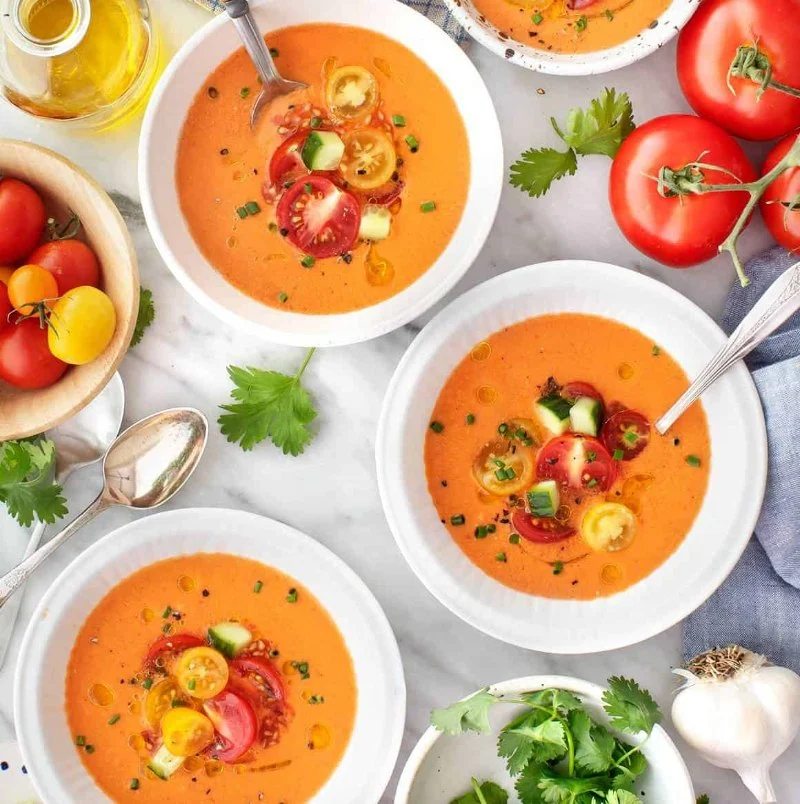
Spain’s culinary tradition offers a rich array of cold soups beyond the well-known gazpacho. Dishes like salmorejo, ajo blanco, and porra antequerana provide diverse flavors and textures. These soups often combine fresh vegetables, nuts, olive oil, and bread to create refreshing and hearty meals.
For example, a culinary enthusiast visiting Andalusia discovered salmorejo, a thicker, creamier tomato-based soup garnished with hard-boiled eggs and ham. This variation highlighted how Spanish cold soups extend beyond the standard gazpacho.
2. Regional Specialties and Unique Ingredients
Each region of Spain has unique ingredients that define its cold soups. Andalusia features tomatoes and olive oil, Extremadura incorporates peppers and garlic, while Murcia’s soups may include almonds and local bread. These regional touches provide distinct flavors and cultural authenticity.
A foodie in Barcelona explored ajo blanco, a cold almond and garlic soup with grapes, and noted the surprising balance of creamy texture and fruity sweetness, showcasing the diversity of Spanish cold soups.
3. Tips for Preparing Authentic Spanish Cold Soups at Home
Use fresh, high-quality ingredients, such as ripe tomatoes, good olive oil, and rustic bread. Blending ingredients to the right texture, balancing acidity and seasoning, and chilling before serving are key steps to achieving authentic flavors.
One home cook in Miami found that preparing porra antequerana ahead of time and garnishing with local cured ham provided an authentic Spanish taste for a summer gathering, demonstrating how careful preparation enhances flavor and presentation.
4. Real-Life Experiences of Cooking and Tasting
Many enthusiasts report that exploring traditional Spanish cold soups enriches summer meals. A family in San Francisco tried multiple recipes, from gazpacho to ajo blanco, and enjoyed the variety of textures and fresh ingredients. These hands-on experiences highlight the accessibility and appeal of these soups for home cooks.
Another example involves a couple in New York recreating Andalusian salmorejo for a dinner party. Guests were impressed by the depth of flavor and presentation, illustrating the rewarding experience of making authentic Spanish cold soups at home.
5. Leveraging Rubi Spanish Table for Recipes and Expert Guidance
Platforms like Rubi Spanish Table provide curated recipes, detailed instructions, and tips for authentic preparation. Users can discover traditional Spanish cold soups beyond gazpacho, learn ingredient selection, and gain insights into regional variations.
By consulting Rubi Spanish Table, home cooks can confidently prepare authentic Spanish cold soups, explore regional specialties, and impress guests with refreshing, flavorful dishes. Explore the platform for expert guidance and inspiration.


 Atxondo4.0 (253 reviews)
 Rio Cafe4.0 (108 reviews)
 SER Restaurant4.0 (1007 reviews)
 Puerta Del Sol Restaurant4.0 (75 reviews)
 Spanish Rotisserie3.0 (72 reviews)
 Bridge Coffee Shop4.0 (398 reviews)
 The Best Spanish Food Markets in Granada
 The Most Popular Spanish Tapas Recipes in the US: A Complete Guide
 Authentic Spanish Shrimp and Rice Skillet Recipe for Flavorful Meals
 How to Make Spanish Pollo al Ajillo: Garlic Chicken Recipe
 The Best Spanish Food Blogs to Follow in 2025
 How to Make Spanish Arroz Negro con Sepia y Gambas: Black Rice with Cuttlefish and Shrimp | Rubi Spanish Table