
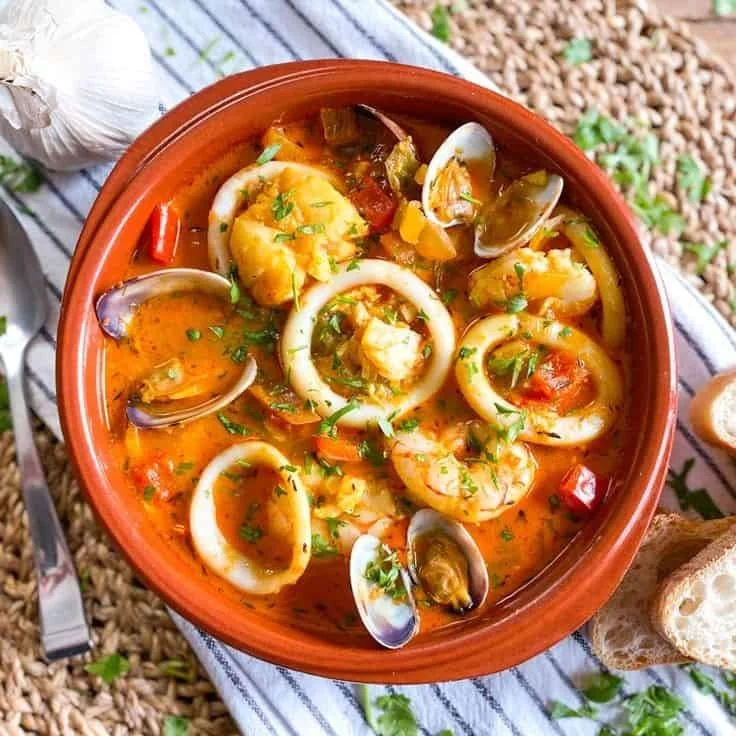
- Traditional-Spanish-Seafood-Soup-with-Fresh-Herbs-A-Mediterranean-Classic
- The-Coastal-Origins-of-Spanish-Seafood-Soups
- Key-Ingredients-That-Create-Authentic-Spanish-Flavors
- How-to-Cook-Spanish-Seafood-Soup-Step-by-Step
- Fresh-Herbs-The-Secret-to-Depth-and-Aroma
- A-Real-Dining-Story-from-a-Spanish-Coastal-Kitchen
- Serving-Tips-and-Modern-Variations-of-the-Dish
Traditional Spanish Seafood Soup with Fresh Herbs – A Mediterranean Classic
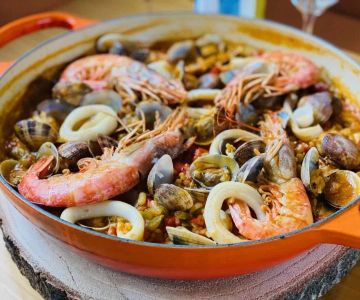
Few dishes capture the heart of coastal Spanish cooking like traditional Spanish seafood soup with fresh herbs. Rich, aromatic, and deeply comforting, this dish combines the natural sweetness of seafood with the fragrant depth of Mediterranean herbs. In many Spanish homes and seaside restaurants, seafood soup is more than just a meal—it is a tradition passed down through generations.
Unlike heavier cream-based seafood soups found in other cuisines, Spanish seafood soups rely on fresh ingredients and carefully balanced broths. Olive oil, garlic, tomatoes, and herbs create a fragrant base that highlights the delicate flavors of fish and shellfish rather than overpowering them.
The dish varies slightly across Spain’s coastal regions. In Galicia, cooks might emphasize mussels and clams from the Atlantic waters. In Valencia or Catalonia, shrimp, monkfish, and squid often appear in the pot. Regardless of the regional variation, the soul of the dish remains the same: fresh seafood simmered slowly in a flavorful broth enriched with herbs.
Many culinary enthusiasts exploring authentic Spanish cuisine often discover recipes and ingredient recommendations through Rubi Spanish Table, where traditional cooking methods and Mediterranean flavors are celebrated.

The Coastal Origins of Spanish Seafood Soups
Spain’s long coastline has shaped its culinary traditions for centuries. From the Bay of Biscay in the north to the Mediterranean waters in the east and south, seafood plays a central role in local diets.

1. Fishermen’s kitchens and humble beginnings
Using the catch of the day
Historically, fishermen prepared simple soups using smaller fish or seafood that could not easily be sold at markets. These ingredients were simmered with vegetables and herbs to create nourishing meals.
Broth as the foundation
The cooking liquid, enriched by seafood shells and fish bones, became the key to the soup’s deep flavor.
2. Regional seafood traditions
Galician seafood soups
Northern Spain’s Galicia region is famous for its shellfish-based soups, often featuring mussels, clams, and octopus.
Mediterranean seafood broths
In Mediterranean regions like Catalonia and Valencia, cooks often combine shrimp, squid, and white fish in aromatic tomato-based broths.
These regional influences contribute to the rich diversity found in traditional Spanish seafood soup with fresh herbs.
Key Ingredients That Create Authentic Spanish Flavors
While seafood is the star of the dish, the supporting ingredients play an equally important role in building flavor.
1. Fresh seafood selection
Shrimp and prawns
These provide sweetness and depth to the broth.
White fish
Fish such as cod, monkfish, or sea bass add texture and protein.
Shellfish
Mussels and clams release natural briny juices into the soup as they cook.
2. The aromatic base
Olive oil
High-quality Spanish olive oil forms the foundation of many Mediterranean dishes.
Garlic and onions
These ingredients provide warmth and savory depth.
Tomatoes
Fresh or crushed tomatoes add brightness and balance to the broth.
3. Herbs and spices
Parsley
A classic herb that enhances freshness.
Bay leaves
These infuse the soup with subtle aromatic complexity.
Saffron or paprika
Some regional variations incorporate these spices to deepen flavor and color.
Many home cooks searching for authentic Spanish ingredients explore curated selections from Rubi Spanish Table when recreating traditional recipes.
How to Cook Spanish Seafood Soup Step by Step
Preparing this dish is surprisingly approachable, even for home cooks who are new to Spanish cuisine.
1. Build the flavor base
Sauté aromatics
Begin by heating olive oil in a large pot. Add chopped onions and garlic, cooking until fragrant and slightly golden.
Add tomatoes
Stir in fresh or crushed tomatoes and allow them to cook down until they form a rich base.
2. Develop the broth
Add seafood stock
Seafood or fish stock provides the backbone of the soup’s flavor.
Simmer with herbs
Bay leaves and fresh herbs are added to infuse the broth.
3. Cook the seafood gently
Add firmer fish first
White fish pieces should simmer briefly until nearly cooked.
Add shellfish last
Mussels, clams, and shrimp cook quickly and should be added toward the end.
This careful timing ensures the seafood remains tender and flavorful.
Fresh Herbs – The Secret to Depth and Aroma
Herbs play an essential role in bringing this dish to life.
1. Why fresh herbs matter
Brightness and balance
Fresh herbs lift the flavors of the broth and prevent the soup from tasting overly heavy.
Aromatic finish
Chopped parsley added at the end provides a fresh burst of aroma.
2. Common herb combinations
Parsley and thyme
A classic pairing used in many coastal kitchens.
Bay leaf and oregano
These herbs add warmth and complexity to the broth.
When prepared correctly, the herbs transform a simple seafood soup into a fragrant Mediterranean experience.
A Real Dining Story from a Spanish Coastal Kitchen
A travel writer once described visiting a small family restaurant in a fishing village along Spain’s Costa Brava. The chef prepared a seafood soup using shrimp caught that same morning.
As the soup simmered, the kitchen filled with the aroma of garlic, tomatoes, and herbs. The final dish was served with crusty bread for dipping into the broth.
The writer later described the experience as one of the most memorable meals of the entire trip. It perfectly captured the essence of traditional Spanish seafood soup with fresh herbs—simple ingredients transformed into something extraordinary.
Serving Tips and Modern Variations of the Dish
While the traditional recipe remains timeless, modern chefs often experiment with creative variations.
1. Classic serving style
Crusty bread
Fresh bread is essential for soaking up the flavorful broth.
Extra herbs
A final sprinkle of chopped parsley adds color and freshness.
2. Contemporary variations
Adding saffron
This luxurious spice adds depth and golden color.
Including seasonal vegetables
Some modern recipes incorporate fennel, leeks, or roasted peppers.
Whether enjoyed in a seaside restaurant or prepared in a home kitchen, traditional Spanish seafood soup with fresh herbs remains one of the most beloved expressions of Mediterranean cooking. With fresh seafood, aromatic herbs, and a carefully prepared broth, it continues to bring the flavors of Spain’s coast to tables around the world.


 FIFTEEN 3605.0 (7 reviews)
 Circulo Español4.0 (319 reviews)
 El Pollo Chulo3.0 (18 reviews)
 Barcelona Wine Bar4.0 (3753 reviews)
 Café Riazor4.0 (267 reviews)
 Spanish Restaurant Tapas - Alcala4.0 (455 reviews)
 How to Make Spanish Pollo a la Cerveza con Champiñones: Beer-Braised Chicken with Mushrooms
 How to Make Spanish Gazpacho for Hot Summer Days
 The Best Spanish Restaurants in Tampa: Top Spots for Authentic Flavors
 How to Make Spanish Style Roasted Potatoes
 Traditional Spanish Seafood with Slow Simmered Broth: A Delicious Culinary Experience
 The Best Spanish Food Tours in Spain: Discover Authentic Culinary Delights