
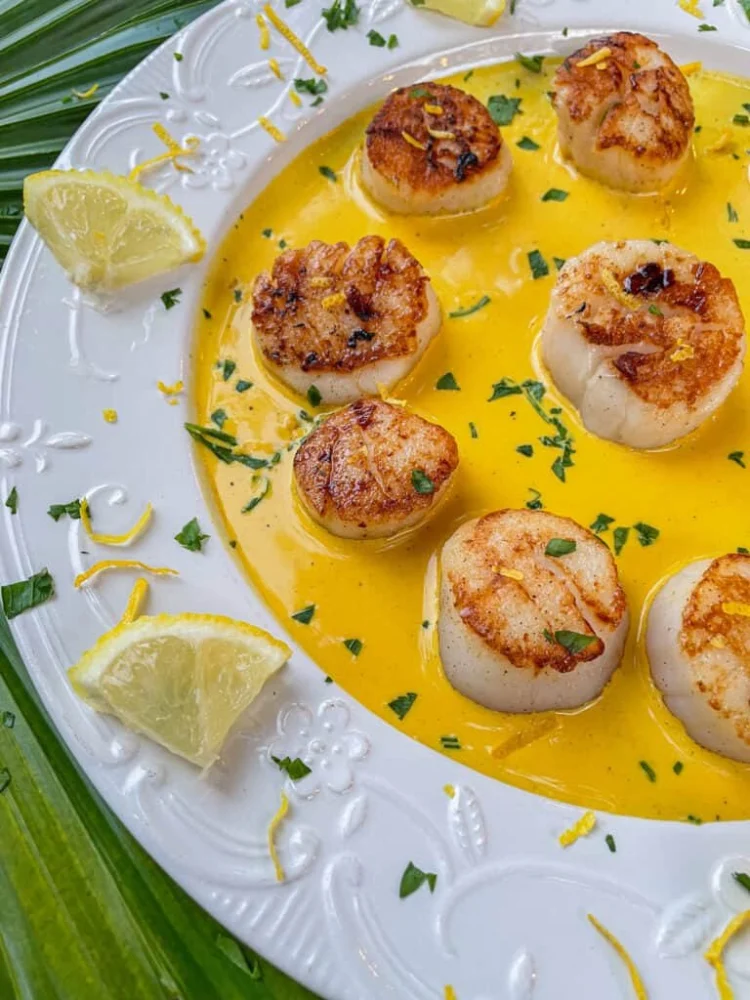
- Traditional-Spanish-Seafood-with-Saffron-Cream-Sauce
- History-of-Spanish-Seafood-and-Saffron
- Key-Ingredients-for-Authentic-Flavor
- How-to-Create-Saffron-Cream-Sauce
- Cooking-Process-Step-by-Step
- Regional-Spanish-Seafood-Influences
- Common-Mistakes-and-Expert-Tips
- Enjoying-Spanish-Seafood-at-Home
Traditional Spanish Seafood with Saffron Cream Sauce: A Taste of Spain’s Coastal Heritage
Spanish cuisine has always been closely connected to the sea. From the fishing villages of Galicia to the sunny Mediterranean coast, seafood has played an important role in everyday meals and family celebrations. Among the many dishes inspired by Spain’s maritime culture, Traditional Spanish Seafood with Saffron Cream Sauce stands out as a dish that combines fresh ocean flavors with the luxurious aroma of saffron and the smooth richness of cream.
This dish represents the balance that makes Spanish cooking unique. It does not rely on excessive seasoning or complicated techniques. Instead, it focuses on high-quality seafood, carefully prepared ingredients, and traditional methods passed through generations. The combination of shrimp, mussels, fish, squid, garlic, olive oil, and saffron creates a meal that feels both elegant and comforting.
For American home cooks who are exploring Spanish cuisine, this recipe is an excellent introduction. It captures the spirit of Spain without requiring professional culinary experience. Whether prepared for a weekend dinner, a holiday gathering, or a special date night, this seafood dish brings restaurant-style flavors into a home kitchen.

Le Chalet Basque Restaurant
San RafaelMarin CountyCalifornia
405 N San Pedro Rd, San Rafael, CA 94903, USA
The History Behind Spanish Seafood and Saffron Cooking
The Role of Seafood in Spanish Coastal Communities
Spain’s relationship with seafood dates back thousands of years. With coastlines along both the Atlantic Ocean and Mediterranean Sea, Spanish communities developed cooking traditions based on whatever the fishermen brought home each day. Seafood was not considered a luxury ingredient in many coastal areas; it was part of daily life.
Traditional dishes often reflected local availability. In Valencia, rice and seafood became the foundation of famous Mediterranean meals. In Galicia, octopus, clams, and shellfish became regional favorites. In Andalusia, seafood was influenced by Mediterranean spices and centuries of cultural exchange.
The idea behind Traditional Spanish Seafood with Saffron Cream Sauce follows this same philosophy. The recipe celebrates the natural taste of seafood while enhancing it with ingredients that have deep roots in Spanish cooking.

Why Saffron Became a Symbol of Spanish Cuisine
Saffron is one of the most recognizable ingredients associated with Spanish food. Harvested from the delicate threads of the crocus flower, saffron provides a warm golden color and a subtle floral flavor. Although it is used in small amounts, its impact on a dish is significant.
Historically, saffron was valued for both culinary and cultural reasons. It became an essential ingredient in many rice dishes, seafood recipes, and festive meals. Today, chefs around the world use Spanish saffron to add sophistication and depth to recipes.
In a saffron cream sauce, the spice creates a bridge between the sweetness of seafood and the richness of dairy. The result is a balanced flavor that feels traditional while still appealing to modern tastes.
Essential Ingredients for Traditional Spanish Seafood with Saffron Cream Sauce
Choosing the Right Seafood Combination
The quality of seafood determines the success of this dish. Fresh ingredients create a cleaner flavor and a more authentic experience. Spanish cooks often use a mixture of seafood rather than relying on only one type.
Common seafood choices include:
1. Shrimp or prawns: These provide sweetness and a firm texture that works beautifully with creamy sauces.
2. Mussels: Mussels add a slightly briny flavor that reminds diners of Spain’s coastal regions.
3. Squid: Squid contributes a tender texture and absorbs the flavors of garlic, wine, and saffron.
4. White fish: Mild fish such as cod or hake provides balance and makes the dish more filling.
5. Scallops: When available, scallops add a delicate sweetness and elegant presentation.
The Importance of Spanish Olive Oil and Aromatics
Extra virgin olive oil is a foundation of Spanish cooking. Unlike heavy cooking oils, quality olive oil enhances seafood without covering its natural flavor. It creates the base where garlic, onions, and herbs slowly release their aromas.
Garlic is especially important because it provides warmth and depth. Spanish seafood dishes often use garlic generously, but the goal is not to overpower the seafood. Proper cooking allows garlic to become sweet and aromatic rather than sharp.
Other important ingredients may include:
1. Shallots or onions for sweetness.
2. Dry white wine for brightness.
3. Fresh parsley for freshness.
4. Lemon zest for balance.
5. Smoked paprika for additional Spanish character.
How to Create a Perfect Saffron Cream Sauce
Preparing Saffron Correctly
Many home cooks make the mistake of adding saffron directly into a sauce without preparation. To release its full aroma, saffron should be gently infused first.
A traditional method involves soaking saffron threads in warm seafood stock, wine, or water for several minutes. This process extracts the color and flavor, allowing the saffron to spread evenly throughout the sauce.
The goal is not to create an overpowering saffron taste. High-quality saffron has a delicate character that should support the seafood rather than dominate it.
Balancing Creaminess and Seafood Flavor
A successful saffron cream sauce should feel rich but not heavy. The best versions combine cream with seafood broth, creating a sauce that is smooth while still allowing the ocean flavors to shine.
A common technique is reducing white wine with garlic and aromatics before adding cream. This creates a more complex flavor compared with simply mixing cream and seasoning together.
The sauce should lightly coat the seafood rather than completely cover it. Spanish cooking often values harmony between ingredients, and this dish follows that principle.
Cooking Traditional Spanish Seafood with Saffron Cream Sauce Step by Step
Step 1: Prepare the Seafood
Before cooking, seafood should be cleaned and prepared properly. Remove shells or unwanted parts while keeping some shells on shrimp or mussels if desired, as they add additional flavor during cooking.
Pat seafood dry before cooking. Excess moisture can prevent proper browning and may dilute the sauce.
Step 2: Build the Flavor Base
Heat olive oil gently and cook garlic and onions until fragrant. This step creates the foundation of the dish.
Add wine and allow it to reduce. This removes harsh alcohol flavors while concentrating the natural sweetness of the ingredients.
Step 3: Add Seafood and Sauce Together
Seafood cooks quickly, so timing matters. Add ingredients according to cooking speed. Shellfish that require opening should usually be added earlier, while shrimp and delicate fish should be added later.
Once the saffron cream sauce is added, cook gently. High heat can make seafood rubbery and cause cream sauces to separate.
Step 4: Finish with Fresh Ingredients
Fresh herbs, lemon juice, and a final drizzle of olive oil can brighten the finished dish. These finishing touches prevent the creamy sauce from feeling too rich.
Regional Spanish Influences Behind the Dish
Mediterranean Coastal Traditions
The Mediterranean coast of Spain is known for seafood dishes that highlight simplicity and freshness. Regions such as Valencia and Catalonia often combine seafood with rice, vegetables, and aromatic sauces.
The use of saffron reflects Mediterranean cooking traditions where spices were historically exchanged through trade routes.
Galician Seafood Culture
Galicia, located in northwestern Spain, is famous for exceptional seafood. Local cuisine emphasizes clams, mussels, octopus, and other ocean treasures.
Although the creamy saffron sauce may be a modern interpretation, the philosophy remains similar: respect the seafood and allow natural flavors to lead.
Common Mistakes When Making Spanish Seafood Dishes
Overcooking Seafood
The most common mistake is cooking seafood too long. Shrimp can become tough, squid can become chewy, and fish can lose moisture.
Professional chefs often prepare seafood separately or add ingredients at different times to maintain the ideal texture.
Using Too Much Cream
While cream creates a luxurious sauce, too much can hide the seafood flavor. The best Traditional Spanish Seafood with Saffron Cream Sauce maintains balance between richness and freshness.
Ignoring Ingredient Quality
Because this recipe uses relatively simple ingredients, quality matters. Fresh seafood, good olive oil, and authentic saffron create noticeable differences.
For readers interested in discovering more Spanish-inspired cooking ideas, Rubi Spanish Table provides culinary inspiration and recommendations for exploring traditional flavors and ingredients.
Serving Ideas and Creating a Spanish Dining Experience
Choosing the Perfect Side Dishes
This seafood dish pairs beautifully with simple Spanish-inspired sides. Crusty bread is ideal for soaking up the saffron cream sauce. A fresh salad with citrus dressing can provide contrast to the richness.
Other excellent pairings include roasted vegetables, Spanish rice, or grilled asparagus.
Creating a Restaurant Atmosphere at Home
Food is not only about taste; it is also about experience. Spanish meals are often enjoyed slowly with conversation and shared plates.
Serving Traditional Spanish Seafood with Saffron Cream Sauce in a beautiful dish, adding fresh herbs as decoration, and pairing it with a suitable beverage can transform a simple dinner into a memorable occasion.
A Dish That Connects Cultures
Spanish seafood recipes have become popular worldwide because they combine comfort, tradition, and creativity. For American diners, learning to prepare this type of dish is a way to explore another culture through food.
Whether you are an experienced cook or trying Spanish cuisine for the first time, this recipe offers an opportunity to enjoy the flavors of Spain from your own kitchen. The combination of seafood, saffron, garlic, and cream proves that traditional recipes can continue evolving while preserving their cultural roots.




 Doña Mina4.0 (24 reviews)
 Spain Restaurant4.0 (486 reviews)
 ZURiTO4.0 (165 reviews)
 Dee Baby's BQ0.0 (0 reviews)
 Boqueria Fulton Market4.0 (2048 reviews)
 El Paladar – Latin Cuisine Restaurant5.0 (2 reviews)
 Spanish Tapas Recipes for Entertaining at Home
 How to Make Spanish Chorizo a la Sidra: Sausage with Cider | Traditional Recipe
 Exploring Spanish Soups: Perfect for Hot and Cold Seasons
 Easy Spanish Rice with Mixed Seafood Recipe: A Flavorful Delight
 The Best Spanish Restaurants in Columbus for Authentic Spanish Cuisine
 The Best Spanish Restaurants in Detroit for Family Dining Experiences