- -arroz-con-leche-tradition -churros-cultural-story -crema-catalana-authentic-flavor -torrijas-holy-week-dessert -spanish-cheesecake-basque-style -regional-sweet-differences -home-kitchen-adaptations-us -modern-spanish-dessert-trends
The Heartwarming Legacy of Rice Pudding Across Spanish Homes
A dessert that feels like childhood in every spoon
Among all Spanish comfort desserts, arroz con leche often stands as the most emotionally connected to family memory. In many Spanish households, especially in Asturias and Madrid, this creamy rice pudding is not just food—it’s a ritual passed through generations. The aroma of cinnamon slowly simmering with milk often signals something more meaningful than dessert: it signals home.

Why this simple dish carries so much emotional weight
Unlike modern desserts that rely on complexity, arroz con leche thrives on simplicity. Milk, rice, sugar, cinnamon, and citrus peel transform slowly into something rich and comforting. The patience required during cooking mirrors the patience of traditional Spanish family life, where recipes are not rushed but experienced.

A personal-style story from a Spanish-American kitchen
A home cook in Texas once shared how she recreated her grandmother’s arroz con leche after moving from Seville. She said the hardest part wasn’t finding ingredients, but recreating the smell that filled her grandmother’s kitchen on Sundays. Eventually, she discovered that slow simmering and orange peel made all the difference, bringing back memories she thought were gone forever.
For those exploring authentic ingredients and traditional inspiration, Rubi Spanish Table offers access to items that help bring these classic flavors closer to home cooking experiences in the United States.
Churros and the Culture of Shared Sweet Moments
From street stalls to American weekend breakfasts
Churros are perhaps one of the most globally recognized Spanish sweets, yet their cultural roots remain deeply communal. In Spain, churros are traditionally eaten in the morning, often dipped into thick hot chocolate in bustling cafés where conversations flow freely.
Why churros represent togetherness more than dessert
The act of sharing churros—passing a plate around, dipping into shared chocolate—creates a sense of community. It’s not unusual for Spanish families to gather after late-night events and end the evening with churros con chocolate before heading home.
A viral food trend that brought churros back into focus
In recent years, social media food creators in the United States reignited interest in homemade churros by showing how simple dough could be transformed into crispy golden spirals. Many viewers commented that it reminded them of their first trip to Barcelona or Madrid, where they experienced this dessert in its most authentic form.
Making churros part of modern home traditions
In American households, churros have evolved into weekend treats and family bonding recipes. Parents often involve children in piping dough and coating sugar, turning cooking into an interactive experience rather than a solo task.
Crema Catalana and the Art of Gentle Indulgence
A dessert rooted in Catalonia’s culinary identity
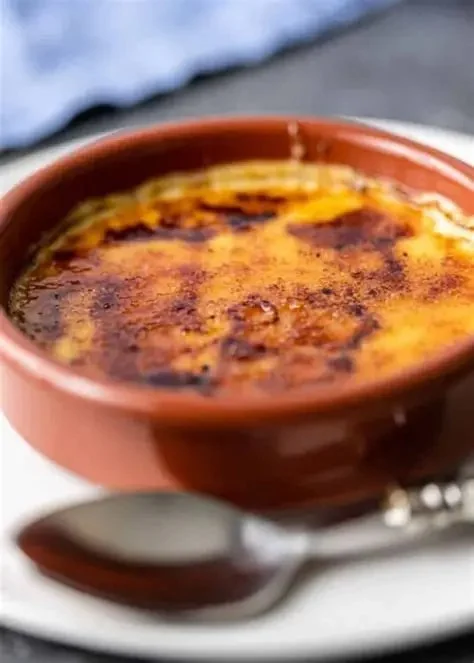
Crema catalana is often compared to crème brûlée, but its identity is distinctly Spanish. Infused with citrus and cinnamon, it carries a lighter texture and a more aromatic profile that reflects Mediterranean influence.
The satisfying ritual of caramelized sugar cracking
One of the most satisfying moments in enjoying crema catalana is breaking through the thin caramelized sugar layer. That first crack is more than texture—it is anticipation, sound, and flavor all combined into a single sensory experience.
A restaurant story that shaped global recognition
A well-known culinary moment in New York involved a Spanish chef introducing crema catalana during a cultural food festival. Visitors who had only known crème brûlée were surprised by its citrus brightness, sparking renewed interest in regional Spanish desserts across American dining scenes.
Why it works so well in home kitchens
Despite its elegant appearance, crema catalana is surprisingly accessible. With basic ingredients and careful temperature control, home cooks can recreate restaurant-level desserts without specialized equipment.
Many home chefs in the US discover that sourcing authentic Spanish ingredients from Rubi Spanish Table helps maintain the traditional flavor balance that defines this dessert.
Torrijas and the Emotional Meaning of Seasonal Sweets
A dessert deeply tied to tradition and reflection
Torrijas, often associated with Holy Week in Spain, resemble French toast but carry deeper cultural meaning. They are made from bread soaked in milk or wine, then fried and coated with sugar or honey.
Why seasonal desserts create stronger memories
Unlike everyday sweets, torrijas are tied to specific times of year. This seasonal limitation makes them more emotionally significant. Families wait for the right moment, and that anticipation strengthens their emotional connection to the dish.
A family tradition carried across continents
A Spanish family living in California shared how they continue making torrijas every spring. Even though ingredients are now purchased in American grocery stores, the ritual remains unchanged: the kitchen becomes quiet, recipes are followed carefully, and stories from Spain are retold.
Basque Cheesecake and the Rise of Modern Spanish Desserts
How a rustic dessert became a global sensation
Basque cheesecake, with its burnt top and creamy center, represents the modern evolution of Spanish comfort desserts. Originating in San Sebastián, it gained international popularity through social media and culinary blogs.
Why imperfect appearance became its charm
Unlike traditional pastries that aim for perfection, Basque cheesecake embraces imperfection. Its cracked surface and caramelized edges create a flavor profile that feels both rustic and luxurious.
A café story from San Sebastián
A small café in Spain became internationally famous after travelers began posting images of its signature cheesecake. What started as a local specialty quickly turned into a global dessert trend, drawing visitors from the US and beyond.
Adapting it for home baking in America
Home bakers in the United States have embraced this dessert because it requires minimal decoration and no crust preparation. It fits perfectly into modern lifestyles while still offering a deeply traditional Spanish taste experience.
Regional Differences That Shape Spanish Dessert Identity
Why geography influences flavor so strongly
Spain’s regional diversity plays a major role in shaping its desserts. Coastal areas often use citrus and light textures, while inland regions lean toward richer, milk-based sweets.
A cultural map of sweetness
From Andalusia’s honey-based desserts to Catalonia’s custard traditions, each region tells a different culinary story. These differences reflect not only ingredients but also history, climate, and agricultural practices.
How this diversity inspires US home cooks
In American kitchens, this variety allows cooks to explore multiple traditions without leaving home. Many families create themed dessert nights inspired by different Spanish regions, turning cooking into cultural exploration.
Bringing Spanish Desserts Into Everyday American Kitchens
Why adaptation is key for home cooks
While authenticity is important, adaptation allows Spanish comfort desserts to thrive in American homes. Ingredient availability, time constraints, and kitchen equipment all influence how recipes are recreated.
Balancing tradition and practicality
Successful home cooks focus on maintaining core flavors rather than exact replication. Cinnamon, citrus, milk, and sugar remain central across most recipes, making substitution easier without losing identity.
A growing trend among US food communities
Online cooking communities have increasingly embraced Spanish desserts as part of global home cooking trends. Recipes are shared, modified, and reinterpreted while still respecting cultural origins.
Why shared culinary experiences matter
Cooking Spanish desserts at home is not just about taste—it is about connection. Whether through family gatherings or weekend experiments, these desserts help create moments that feel meaningful and shared.
For those wanting to explore authentic ingredients, recipes, and inspiration, Rubi Spanish Table provides a helpful starting point for discovering traditional Spanish dessert culture in a modern American setting.


 Café Riazor4.0 (267 reviews)
 Taberna del Alabardero4.0 (1464 reviews)
 Gustitos Café LLC4.0 (139 reviews)
 Rice & Beans Bar and Restaurant4.0 (970 reviews)
 Chalo’s Parrillada BBQ y Mas4.0 (13 reviews)
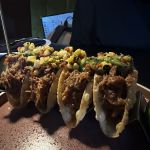 The Iberian Pig4.0 (2262 reviews)
 The Best Spanish Restaurants in Columbus: A Guide to Flavorful Dining
 How to Make Spanish Tarta de Limón con Frutas: Lemon Cake with Fresh Fruit
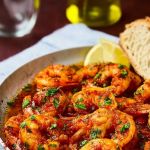 Authentic Spanish Garlic Shrimp with White Wine: Recipe and Tips
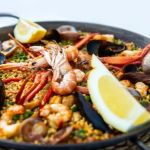 Exploring Spanish Seafood Recipes for Home Cooking
 How to Make Spanish Tarta de Manzana: Apple Cake
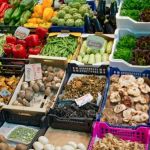 The Best Spanish Food Markets in Murcia for Fresh Seafood, Vegetables, and Regional Products