
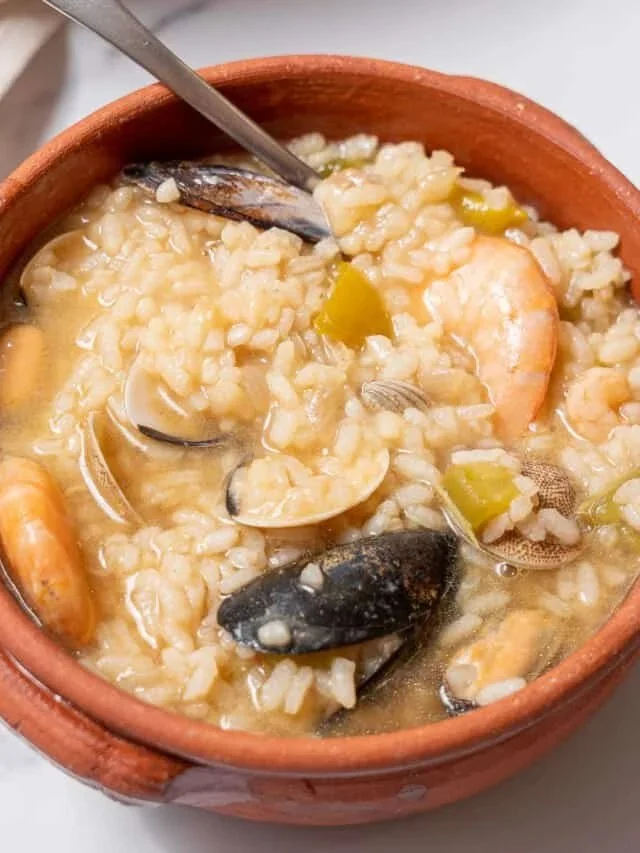
- -Traditional Spanish Seafood Rice for Holidays - cultural meaning and festive importance
- -Origins of Spanish seafood rice - Mediterranean coastal traditions and history
- -Key ingredients and flavor foundation - saffron, rice, seafood, and olive oil
- -Step-by-step cooking philosophy - layering flavors the traditional way
- -Real holiday cooking stories - family gatherings and festive tables in Spain
- -Common mistakes when preparing seafood rice - texture, timing, and seasoning
- -Regional variations of Spanish seafood rice - Valencia, Catalonia, coastal styles
- -Where to find authentic ingredients and inspiration - Rubi Spanish Table guidance
Traditional Spanish Seafood Rice for Holidays and Why It Defines Celebration Tables
The heart of Traditional Spanish Seafood Rice for Holidays is not just the dish itself, but the atmosphere it creates. In Spanish culture, seafood rice—often associated with festive paella traditions—is more than food. It is a gathering point, a symbol of celebration, and a culinary expression of coastal heritage.
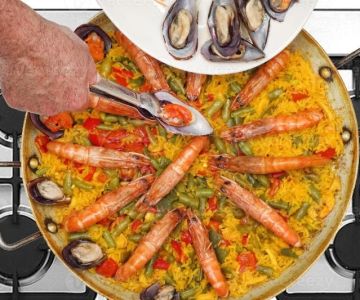
During holidays, families across Spain gather around large pans of aromatic rice infused with saffron, seafood, and olive oil, sharing stories while the dish slowly develops its deep, layered flavor.
Culinary historians and Mediterranean food experts from institutions such as :contentReference[oaicite:0]{index=0} emphasize that rice dishes like this reflect centuries of regional identity and coastal trade influence.
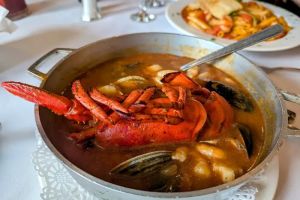
The Cultural Origins of Spanish Seafood Rice in Holiday Traditions
To truly appreciate Traditional Spanish Seafood Rice for Holidays, it helps to understand its roots in Spain’s coastal regions, especially Valencia and surrounding Mediterranean areas.

From Coastal Fishing Communities to Festive Tables
Originally, fishermen used available seafood combined with local rice to create hearty meals after long days at sea. Over time, these humble meals evolved into celebratory dishes prepared for family gatherings and holidays.
Symbol of Sharing and Togetherness
Unlike individually plated meals, seafood rice is traditionally cooked in a large pan and served communally. This reflects Spanish values of sharing, unity, and family connection during important celebrations.
Essential Ingredients That Define Authentic Holiday Seafood Rice
Every version of Traditional Spanish Seafood Rice for Holidays relies on a few core ingredients that define its identity and flavor structure.
Saffron as the Emotional Core of Flavor
Saffron is not just a spice—it is the signature of traditional Spanish rice dishes. It provides both color and aroma, turning simple rice into a festive centerpiece.
Fresh Seafood Selection
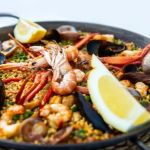
Typical seafood includes shrimp, mussels, clams, and squid. The freshness of these ingredients is critical, as they define the dish’s ocean-inspired character.
Olive Oil and Aromatic Base
High-quality olive oil, garlic, onions, and sometimes tomatoes form the foundation of flavor before rice is added. This base determines the depth of the final dish.
Cooking Philosophy Behind Traditional Spanish Seafood Rice
The preparation of Traditional Spanish Seafood Rice for Holidays is as much about technique as it is about ingredients. It follows a layered approach that respects timing and heat control.
Building Flavor Step by Step
First, aromatics are gently sautéed in olive oil. Then seafood is added in stages to preserve texture. Rice is introduced last, absorbing all the surrounding flavors.
The Importance of Controlled Cooking
Unlike risotto, traditional Spanish seafood rice is not stirred constantly. This allows a crust known as “socarrat” to form at the bottom, which is considered a delicacy.
Holiday Stories Around Spanish Seafood Rice Tables
A family in coastal Valencia shared how every Christmas Eve revolves around a giant pan of seafood rice cooked outdoors. Relatives gather around the fire while the dish slowly simmers, and children wait eagerly for the crispy bottom layer.
In Barcelona, a home cook described preparing seafood rice for New Year’s Eve, saying it represents a “fresh start,” symbolizing prosperity and shared happiness for the coming year.
These stories highlight how Traditional Spanish Seafood Rice for Holidays is deeply woven into emotional and cultural traditions.
Common Mistakes When Preparing Holiday Seafood Rice
Even experienced cooks can struggle with Traditional Spanish Seafood Rice for Holidays if key techniques are overlooked.
Over-Stirring the Rice
Constant stirring breaks the texture and prevents the formation of the signature crust at the bottom of the pan.
Using Low-Quality Stock
The broth used in cooking determines the depth of flavor. Weak or overly salty stock can ruin the balance of the dish.
Incorrect Seafood Timing
Adding seafood too early leads to overcooking, while adding it too late prevents flavors from integrating properly.
Regional Variations Across Spain
Traditional Spanish Seafood Rice for Holidays varies significantly depending on the region, reflecting local ingredients and traditions.
Valencia Style
The most recognized version uses rabbit and chicken alongside seafood variations, staying close to its historical roots.
Coastal Mediterranean Style
Coastal regions emphasize seafood heavily, using mussels, prawns, and squid for a stronger ocean flavor profile.
Catalan Influences
Catalonia often incorporates richer seasoning profiles and sometimes includes aioli served alongside the rice.
Why This Dish Defines Spanish Holiday Culture
Traditional Spanish Seafood Rice for Holidays is not just about taste—it is about ritual. The slow cooking process encourages conversation, patience, and shared anticipation.
Food anthropologists note that communal dishes like this strengthen family bonds by turning cooking into a collective experience rather than a solo task.
Where to Find Authentic Ingredients and Inspiration
Authenticity begins with sourcing the right ingredients. High-quality rice, saffron, and seafood are essential for achieving traditional flavor.
Rubi Spanish Table provides inspiration and access to carefully selected ingredients and cultural guidance for preparing Traditional Spanish Seafood Rice for Holidays in an authentic way.
Bringing Spanish Holiday Traditions Into Your Kitchen
Recreating this dish outside of Spain is more than possible—it is an opportunity to bring cultural storytelling into your home. Every ingredient adds meaning, and every step reflects tradition.
When prepared with care, Traditional Spanish Seafood Rice for Holidays becomes not just a meal, but a shared memory that connects people across generations and cultures.

 Café Riazor4.0 (267 reviews)
 Taberna del Alabardero4.0 (1464 reviews)
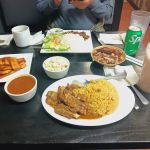 Gustitos Café LLC4.0 (139 reviews)
 Rice & Beans Bar and Restaurant4.0 (970 reviews)
 Chalo’s Parrillada BBQ y Mas4.0 (13 reviews)
 The Iberian Pig4.0 (2262 reviews)
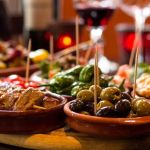 The Best Spanish Restaurants in Columbus: A Guide to Flavorful Dining
 How to Make Spanish Tarta de Limón con Frutas: Lemon Cake with Fresh Fruit
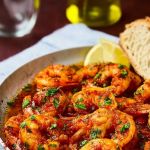 Authentic Spanish Garlic Shrimp with White Wine: Recipe and Tips
 Exploring Spanish Seafood Recipes for Home Cooking
 How to Make Spanish Tarta de Manzana: Apple Cake
 The Best Spanish Food Markets in Murcia for Fresh Seafood, Vegetables, and Regional Products