- 1 - Why Spanish Cuisine is Unique
- 2 - Key Ingredients and Flavors in Spanish Cooking
- 3 - Classic Spanish Dishes for Beginners
- 4 - Tips for Preparing Spanish Dishes at Home
- 5 - Real-Life Experiences and Recommendations
1. Why Spanish Cuisine is Unique
Spanish cuisine is celebrated worldwide for its vibrant flavors, diverse regional specialties, and social dining culture. Unlike cuisines that rely heavily on elaborate techniques, Spanish dishes often emphasize fresh ingredients, simplicity, and communal enjoyment. From the olive groves of Andalusia to the seafood-rich coasts of Galicia, each region offers a distinctive culinary experience.
For beginners, understanding the cultural context is essential. Meals are often a social event, with tapas (small plates) encouraging sharing and conversation. Learning the history and traditions behind each dish adds depth to the cooking and dining experience.
2. Key Ingredients and Flavors in Spanish Cooking
Spanish cuisine relies on a handful of core ingredients and flavor principles:
- Olive Oil: A foundational ingredient, used in frying, dressings, and roasting.
- Garlic and Onions: Essential aromatics that form the base of many dishes.
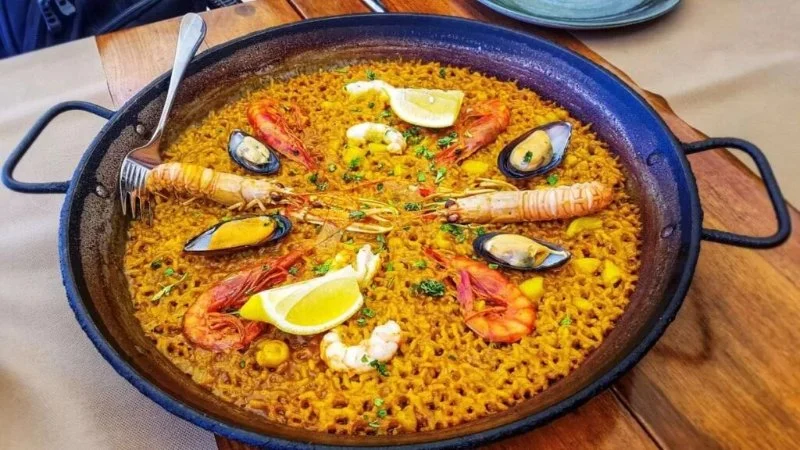
- Saffron and Paprika: Spices that add color and distinctive flavor, particularly in paellas and stews.
- Seafood and Meats: Regional preferences vary; coastal areas favor fish and shellfish, while inland regions lean toward pork and cured meats.
- Fresh Vegetables and Legumes: Tomatoes, peppers, chickpeas, and beans provide texture and nutrition.
Understanding these ingredients helps beginners recreate authentic Spanish flavors and experiment confidently in the kitchen.
3. Classic Spanish Dishes for Beginners
Here are 20 classic Spanish dishes explained for beginners, organized by category:
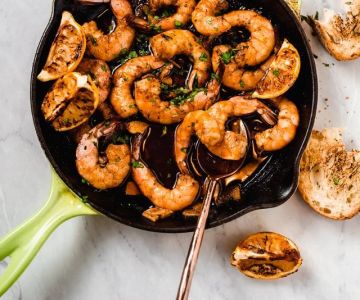
- Tapas: Patatas Bravas (fried potatoes with spicy tomato sauce), Gambas al Ajillo (garlic shrimp), Tortilla Española (Spanish omelet).
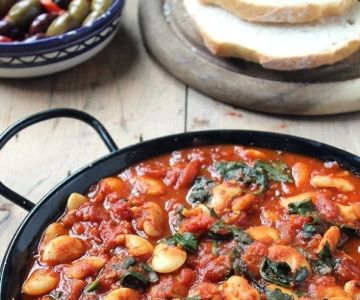
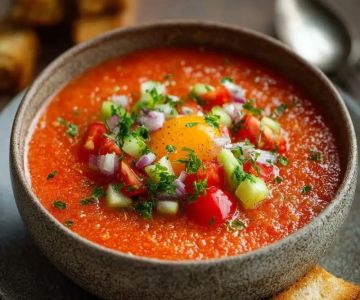
- Soups and Stews: Gazpacho (cold tomato soup), Caldo Gallego (hearty Galician soup), Fabada Asturiana (bean stew).
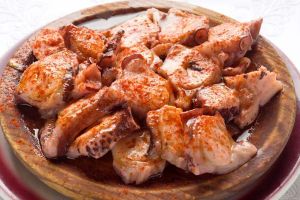
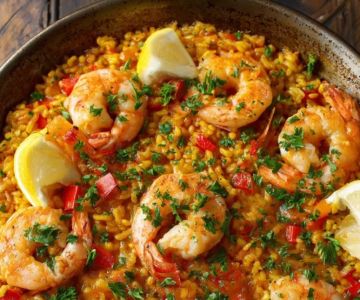
- Seafood: Paella Valenciana (rice with seafood or meats), Pulpo a la Gallega (Galician-style octopus), Bacalao a la Vizcaína (salted cod in red sauce).
- Meats and Poultry: Pollo al Ajillo (garlic chicken), Cochinillo Asado (roast suckling pig), Albóndigas (Spanish meatballs).
- Desserts: Churros con Chocolate, Flan (caramel custard), Tarta de Santiago (almond cake).
- Breads and Snacks: Pan con Tomate (tomato bread), Empanadas (stuffed pastry), Bocadillos (Spanish sandwiches).
- Rice and Grains: Arroz Negro (squid ink rice), Migas (fried breadcrumbs with toppings), Paella de Verduras (vegetable paella).
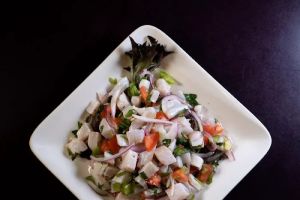
- Salads: Ensalada Mixta (mixed salad), Escalivada (roasted vegetables), Ensalada de Pulpo (octopus salad).
Each dish includes a unique combination of flavors and textures, offering a practical and engaging way for beginners to explore Spanish food.
4. Tips for Preparing Spanish Dishes at Home
Cooking Spanish cuisine at home can be rewarding. Consider these tips:
- Invest in Key Ingredients: Stock your pantry with olive oil, paprika, saffron, and high-quality canned tomatoes.
- Learn Basic Techniques: Master sautéing, simmering, and roasting to build confidence in handling different dishes.
- Start Simple: Begin with tapas or simple rice dishes before attempting complex stews or seafood preparations.
- Follow Authentic Recipes: Use trusted sources like Rubi Spanish Table for step-by-step guidance and ingredient recommendations.
- Embrace the Social Aspect: Serve meals family-style or with friends to enjoy the cultural essence of Spanish dining.
5. Real-Life Experiences and Recommendations
Consider Sarah, a beginner cook from New York, who wanted to recreate classic Spanish dishes for a dinner party. By following Rubi Spanish Table’s recommendations, she prepared Patatas Bravas, Tortilla Española, and Churros con Chocolate. Her guests were impressed, and the dishes sparked conversations about Spanish culture and culinary traditions.
Another example is Michael, a student exploring Spanish cuisine while studying abroad in Madrid. He learned to make Gazpacho and Paella Valenciana in a local cooking class, understanding both the flavors and the cultural significance behind each dish. His experience shows that hands-on learning and guidance from reliable sources enrich the cooking journey.
For beginners eager to explore Spanish cuisine, following expert tips, understanding ingredients, and embracing cultural context can transform cooking into an enjoyable and authentic experience.

 Madre Tierra Deli4.0 (74 reviews)
 Matador Tacos & Tapas Bar4.0 (569 reviews)
 mfk. Restaurant4.0 (408 reviews)
 Sevilla4.0 (1268 reviews)
 The Cozy Taberna4.0 (1106 reviews)
 Gusto y Sabor4.0 (123 reviews)
 How to Make Spanish Chistorra a la Miel: Chistorra with Honey Recipe
 How to Make Spanish Pollo a la Cerveza: Chicken with Beer
 A Beginner’s Guide to Cooking Spanish Tortilla de Patatas
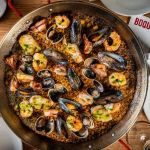 The Best Spanish Restaurants in Nashville for Tapas, Paella, and Authentic Spanish Cuisine
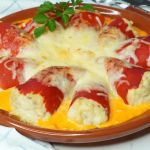 How to Make Spanish Piquillos Rellenos de Bacalao: Stuffed Piquillo Peppers with Cod
 Exploring Spanish Street Food Recipes to Make at Home