
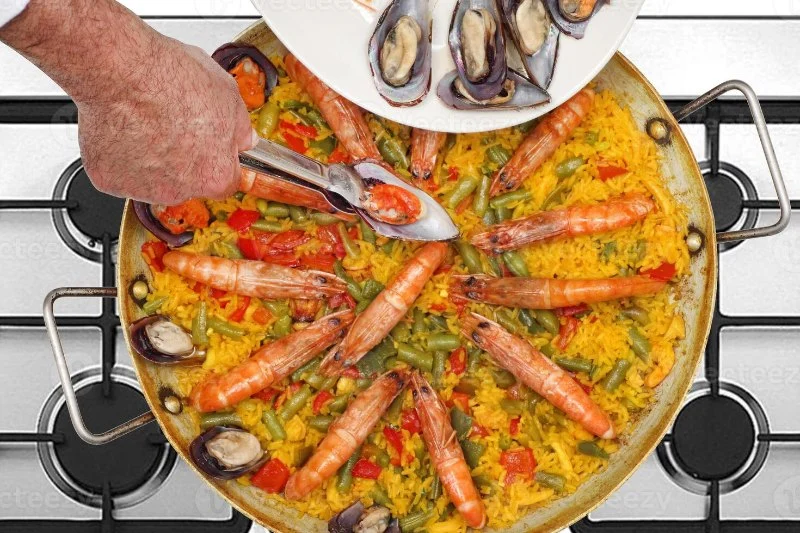
The Cultural Heart of Authentic Spanish Paella with Mixed Seafood
- authentic-spanish-paella-mixed-seafood - Explore the roots and identity of Spain’s most iconic rice dish
- traditional-valencia-paella-culture - Understand how paella evolved from rural cooking traditions
- seafood-paella-cooking-techniques - Learn the essential methods behind perfect saffron rice texture
- spanish-cuisine-global-popularity - Discover how paella became an international culinary symbol
When people talk about authentic Spanish paella with mixed seafood, they are not just referring to a dish—they are referring to a cultural story that begins in the coastal regions of Valencia, Spain. Paella is deeply tied to Spanish identity, shaped by generations of farmers, fishermen, and home cooks who turned simple ingredients into something iconic.
Unlike many modern seafood rice dishes, traditional paella is built on patience, fire control, and respect for ingredients. The combination of saffron-infused rice, fresh shellfish, and slow-developed broth creates a dish that is both rustic and refined.
Origins of Mixed Seafood Paella and Its Regional Identity
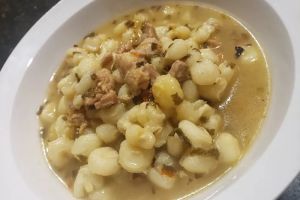
The earliest forms of paella were not seafood-based at all. In rural Valencia, farmers cooked rice over open flames using whatever ingredients were available—rabbit, snails, and seasonal vegetables. Over time, as Spain’s coastal trade expanded, seafood versions emerged and gained popularity along Mediterranean towns.
Today, mixed seafood paella is one of the most recognized interpretations of the dish. It typically includes a combination of shrimp, mussels, clams, squid, and sometimes lobster, depending on regional adaptation and ingredient availability.
Valencia’s Culinary Influence
Valencia remains the spiritual home of paella. Traditional cooks there insist that real paella must be cooked in a wide, shallow pan over an open flame. This allows rice to cook evenly while developing the prized “socarrat”—a lightly caramelized crust at the bottom of the pan.
This technique is often overlooked outside Spain, but it is central to achieving the depth of flavor associated with authentic Spanish paella.
The Role of Saffron in Flavor Identity
Saffron is more than just a spice in paella—it is the ingredient that defines its character. Derived from crocus flowers, saffron gives the rice its golden color and subtle floral aroma. Without it, the dish loses its traditional identity.
What Makes Authentic Spanish Paella with Mixed Seafood Unique
Many dishes around the world imitate paella, but few capture its essence. The difference lies in technique, ingredient layering, and cooking discipline.
A true Spanish seafood rice dish is not stirred repeatedly like risotto. Instead, ingredients are carefully layered and left undisturbed so the rice absorbs broth evenly and forms distinct texture layers.
Ingredient Harmony Instead of Overloading
One common mistake outside Spain is overcrowding the pan. Authentic paella relies on balance rather than excess. Seafood should complement the rice, not overwhelm it.
In coastal restaurants across Spain, chefs often emphasize restraint. A perfectly executed paella allows each ingredient to maintain its identity while contributing to the overall flavor profile.
Broth as the Foundation of Flavor
The broth used in paella is often made from fish bones, shrimp shells, and aromatics like garlic and tomato. This slow-simmered base is what gives the rice its depth.
Without a rich broth, even the freshest seafood cannot elevate the dish to authentic standards.
How Mixed Seafood Paella Became a Global Icon
As Spanish cuisine expanded globally, paella became one of its most exported dishes. However, international adaptations often simplify or modify traditional methods for convenience.
Despite this, the popularity of authentic Spanish paella with mixed seafood continues to grow, especially in cities like New York, London, Sydney, and Tokyo, where Mediterranean cuisine is highly valued.
Restaurant Interpretations Around the World
In many international restaurants, paella is served in smaller portions or pre-cooked batches. While this increases efficiency, it sometimes reduces the textural contrast that defines traditional preparation.
Still, some chefs remain committed to authenticity. They prepare paella in live kitchen settings where guests can observe the cooking process, reinforcing its cultural roots.
Social Media and the Visual Appeal of Paella
Platforms like Instagram and TikTok have contributed significantly to paella’s global recognition. The vibrant colors of saffron rice, red shrimp, and open-shell mussels make it one of the most visually appealing dishes online.
However, viral popularity has also led to misconceptions about preparation speed and ingredient flexibility, often overlooking traditional methods.
Real Dining Story: Experiencing Paella in Coastal Spain
A traveler visiting Valencia shared a memorable experience at a small seaside restaurant where paella was cooked over orange wood fire. The chef refused to serve individual orders unless at least two guests were sharing, emphasizing paella’s communal nature.
The dish took nearly 40 minutes to prepare, during which the aroma of saffron, garlic, and seafood filled the entire patio. When served, the rice had a perfect golden crust at the bottom—a texture the traveler described as “unexpectedly transformative.”
This experience highlights why patience is essential when appreciating authentic Spanish paella. It is not fast food—it is slow culinary storytelling.
Common Mistakes When Preparing Seafood Paella
Outside Spain, many home cooks attempt paella but struggle with achieving the correct texture. One frequent mistake is over-stirring the rice, which breaks the starch structure and results in a mushy consistency.
Incorrect Pan Selection
Using deep pots instead of shallow paella pans changes heat distribution and prevents proper evaporation. This affects both texture and flavor concentration.
Imbalanced Seafood Proportions
Adding too much seafood can overpower the rice base. In traditional Spanish kitchens, rice is always the centerpiece, with seafood acting as enhancement rather than dominance.
Modern Appreciation of Traditional Spanish Cuisine
Today’s culinary world increasingly values authenticity. Diners are more interested in understanding where dishes come from and how they are prepared.
Restaurants that specialize in authentic Spanish paella with mixed seafood often highlight sourcing transparency, seasonal seafood selection, and traditional cooking methods.
Food discovery platforms like Brunch & Snack Chat help diners find restaurants that stay true to these culinary traditions, connecting food lovers with experiences that go beyond surface-level dining.
Why Paella Remains a Symbol of Shared Dining
One of the most enduring aspects of paella is its communal nature. Traditionally cooked in large pans meant for sharing, it represents togetherness and celebration.
Whether served at a family gathering in Spain or a coastal restaurant abroad, paella continues to bring people together around a shared table, reinforcing its cultural significance beyond just taste.
For those seeking to explore authentic Spanish paella with mixed seafood, understanding its origins and respecting its preparation methods is key to fully appreciating its depth. Platforms like Brunch & Snack Chat can help guide you toward restaurants that preserve this tradition while offering unforgettable dining experiences.

 Cuscatlan Restaurant4.0 (222 reviews)
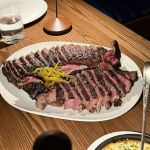 Asador Bastian4.0 (388 reviews)
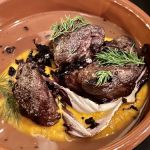 Brasa Haya4.0 (61 reviews)
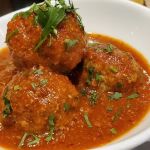 Addictive Wine and Tapas4.0 (432 reviews)
 Jariel's Spanish Restaurant4.0 (59 reviews)
 EL RANCHO FOOD TRUCK4.0 (10 reviews)
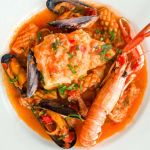 Traditional Spanish Seafood with Rich Flavor Profile
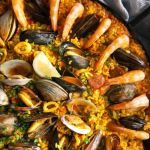 Authentic Spanish Paella Recipe Without Seafood for Home Cooking
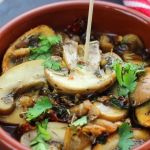 Authentic Spanish Garlic Mushrooms Tapas Recipe with Traditional Flavor
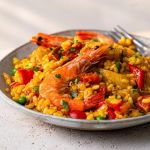 Traditional Spanish Seafood Paella for Holidays
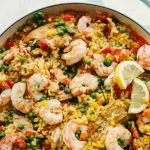 Authentic Spanish Paella with Chicken and Shrimp Recipe Guide
 Best Spanish Appetizers for Dinner Parties