
- 1-Understanding-Paella-#understanding-paella
- 2-Choosing-Ingredients-#choosing-ingredients
- 3-Preparing-the-Sofrito-#preparing-sofrito
- 4-Cooking-Rice-and-Vegetables-#cooking-rice-vegetables
- 5-Adding-Spices-and-Flavor-#adding-spices-flavor
- 6-Techniques-for-Perfect-Texture-#perfect-texture
- 7-Serving-and-Presentation-Tips-#serving-presentation
- 8-Common-Mistakes-to-Avoid-#common-mistakes
- 9-Enhancing-with-Side-Dishes-#enhancing-side-dishes
- 10-Experience-and-Tasting-Stories-#tasting-stories
1. Understanding Paella
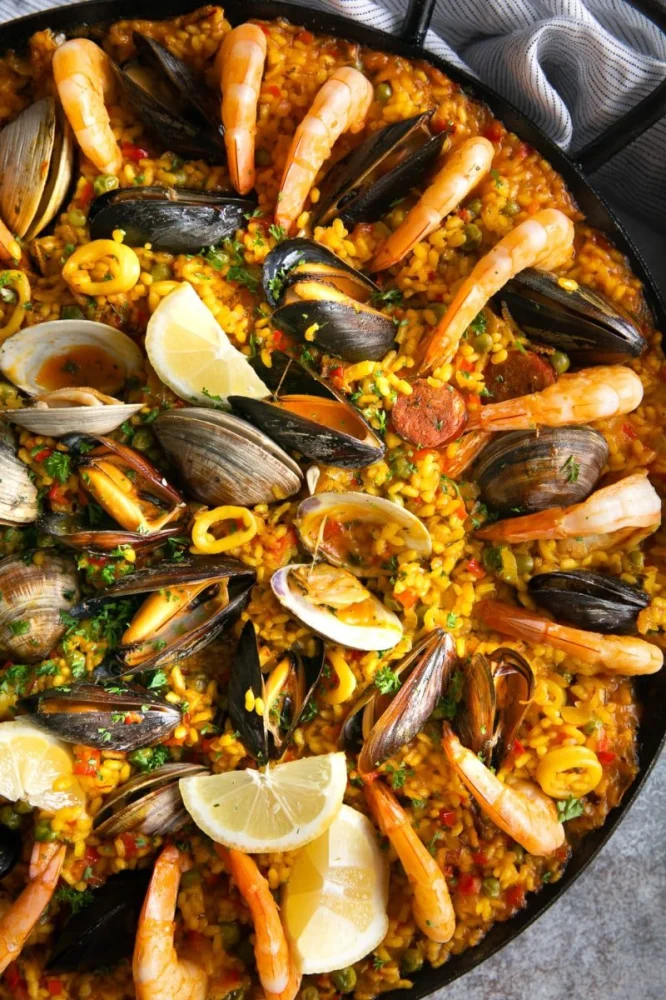
Paella is an iconic Spanish dish, traditionally cooked over an open flame in a wide, shallow pan. While many associate it with seafood, Spanish paella has a rich variety of regional styles. A paella without seafood emphasizes vegetables, saffron, and sometimes chicken or rabbit, making it ideal for those seeking a flavorful alternative while preserving the authentic taste. Learning the cultural roots of paella enriches the cooking experience, connecting home cooks to centuries of Spanish culinary tradition.
2. Choosing Ingredients
The foundation of a great paella is high-quality ingredients. Key items for a seafood-free version include short-grain rice like Bomba or Calasparra, fresh seasonal vegetables such as bell peppers, artichokes, and tomatoes, aromatic garlic, and extra virgin olive oil. While saffron provides the iconic color and subtle flavor, paprika and fresh herbs such as parsley enhance the taste. Carefully selecting fresh and vibrant ingredients ensures each bite bursts with flavor.
3. Preparing the Sofrito
Sofrito is a slow-cooked base made with onions, garlic, tomatoes, and bell peppers sautéed in olive oil. This mixture is crucial for developing depth of flavor. Cooking the sofrito slowly over medium heat allows the natural sugars to caramelize, creating a rich, savory foundation for the rice. For added authenticity, include a pinch of smoked paprika to replicate the smoky notes traditionally found in Spanish paellas.
4. Cooking Rice and Vegetables
Once the sofrito is ready, add the rice and gently toast it in the oil for a minute to coat the grains. Then, gradually add warm vegetable broth, stirring only at the beginning. Incorporate colorful vegetables like red peppers, peas, green beans, and artichoke hearts. Cooking the rice evenly while allowing the liquid to absorb naturally is key to creating a tender yet slightly firm texture. Avoid over-stirring to allow the socarrat—the coveted crispy layer at the bottom—to form.
5. Adding Spices and Flavor
Spices like saffron threads should be steeped in a little warm broth before adding to the rice, maximizing their aroma and color. Additional flavors from smoked paprika, lemon zest, and fresh parsley bring complexity. For a hint of richness, some cooks add a drizzle of high-quality Spanish olive oil just before serving. Balancing spices carefully ensures the dish remains fragrant without overpowering the natural sweetness of the vegetables.
6. Techniques for Perfect Texture
Achieving the ideal paella texture involves patience. Cook on medium heat and avoid constant stirring. Rotate the pan gently if necessary to maintain even cooking, but let the rice settle naturally. Using a wide pan ensures even evaporation, while a firm-bottomed pan helps develop the crispy socarrat. Checking the rice toward the end of cooking for firmness ensures the dish is perfectly cooked and visually appealing.
7. Serving and Presentation Tips
Paella is as much about presentation as flavor. Serve directly from the pan for a rustic, authentic feel. Garnish with lemon wedges, fresh parsley, and roasted red peppers to enhance both visual appeal and taste. Encourage family or guests to gather around, creating a communal dining experience that mirrors Spanish traditions. Serving with a side of crusty bread or a light salad complements the dish beautifully.
8. Common Mistakes to Avoid
One frequent error is over-stirring, which prevents socarrat from forming. Using low-quality rice or insufficiently warm broth can lead to uneven cooking. Additionally, skipping saffron or under-seasoning the sofrito results in a less vibrant dish. Understanding and avoiding these mistakes ensures the final paella achieves the flavor, texture, and aroma associated with traditional Spanish cuisine.
9. Enhancing with Side Dishes
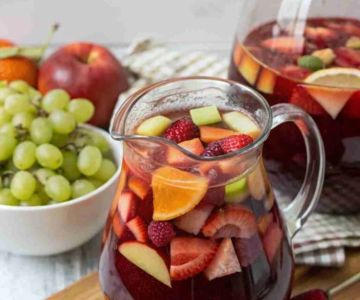
Complementing paella with light Spanish side dishes enhances the meal. Options include a simple tomato salad with Manchego cheese, roasted vegetables with olive oil, or gazpacho as a refreshing starter. Pairing with a Spanish wine, such as a crisp Albariño or light Tempranillo, creates a full culinary experience that is balanced, flavorful, and authentically Spanish.
10. Experience and Tasting Stories
Many home cooks recall their first successful paella as a memorable family moment. For example, a food blogger from Rubi Spanish Table shared how she recreated her grandmother’s paella recipe without seafood, delighting her guests with tender rice, flavorful vegetables, and perfectly balanced spices. Sharing these stories connects cooks to the cultural roots of paella and encourages experimentation with flavors, inspiring both confidence and creativity in the kitchen.
For more authentic Spanish recipes, ingredients, and cooking tips, Rubi Spanish Table offers curated guides and products to help recreate traditional dishes at home, ensuring every paella is as memorable and flavorful as those found in Spain.
 La Vara4.0 (860 reviews)
 Elba’s Deli & Restaurant Inc4.0 (214 reviews)
 Spanish Island Foods4.0 (97 reviews)
 Chama empanadas4.0 (8 reviews)
 EZ Paella & Tapas4.0 (2818 reviews)
 Flores Mirtala Deli0.0 (0 reviews)
 How to Make Spanish Tarta de Queso: Cheesecake Recipe
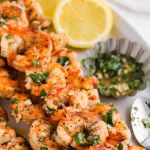 Traditional Spanish Grilled Shrimp Skewers Recipe
 Exploring Spanish Street Food Recipes That Can Be Cooked at Home
 The Best Spanish Restaurants in Indianapolis for Tapas Nights
 The Best Spanish Restaurants in Nashville for Tapas, Paella, and Authentic Spanish Cuisine
 Best Spanish Restaurants in Louisville for Tapas and Wine Pairings