
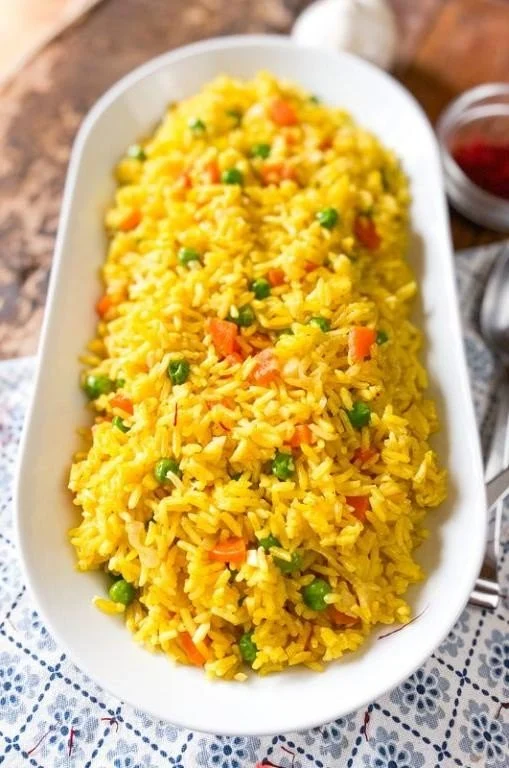
- #intro-section - Easy Spanish Rice with Saffron Flavor Story-Driven Guide
- #ingredient-deep-dive - Saffron Rice Ingredients and Flavor Foundation
- #cooking-technique - Step-by-Step Spanish Rice Cooking Method
- #mistakes-insights - Common Cooking Mistakes and Chef-Level Insights
- #modern-us-kitchen - Modern American Kitchen Adaptation and Food Trends
- #serving-pairing - Serving Ideas and Mediterranean Pairing Inspiration
- #ingredient-source - Where to Find Authentic Ingredients Like Saffron and Spanish Rice
- #recipe-essence - Flavor Philosophy and Everyday Cooking Inspiration
Easy Spanish Rice with Saffron Flavor Story-Driven Guide
Spanish rice has a way of turning an ordinary dinner table into something warm, aromatic, and quietly memorable. The version infused with saffron carries a deeper layer of character—golden color, earthy aroma, and a subtle floral bitterness that lingers just enough to keep you coming back for another bite. For many home cooks in the United States, discovering how to prepare Easy Spanish Rice with Saffron Flavor is less about following a strict tradition and more about capturing a feeling: comfort food with a Mediterranean soul.
There is a popular story among home cooks that saffron rice became a “gateway dish” into Spanish cuisine. One home chef in California once shared how she first encountered saffron rice at a small coastal tapas restaurant. She described it as “rice that tasted like sunshine and ocean air at the same time.” That memory became the reason she started experimenting in her own kitchen, eventually perfecting a simplified version that still honored its roots but worked with everyday ingredients available in American supermarkets.
This is where the beauty of Spanish rice lies. It does not demand perfection. Instead, it invites intuition—knowing when to let the rice toast a little longer, when the broth smells just right, and when the saffron threads finally release their golden essence into the pot. The process feels almost meditative, yet it remains simple enough for a weekday dinner.
Why saffron changes everything in Spanish rice
Saffron is not just an ingredient; it is a transformation tool. Even a small pinch alters the entire profile of the dish. Without it, Spanish rice is still satisfying, but with it, the dish becomes layered and aromatic in a way that feels almost ceremonial. The golden hue it brings is visually striking, but the real magic happens in the subtle floral undertones that develop as it cooks.
In many Mediterranean households, saffron rice is associated with gatherings, celebrations, and shared meals. That cultural weight is part of why it feels so special even when prepared in a simple home kitchen.

Saffron Rice Ingredients and Flavor Foundation
Understanding the ingredients behind Easy Spanish Rice with Saffron Flavor is essential for building depth rather than just following steps. Each component plays a role in shaping the final texture and aroma.
Long-grain rice as the structural base
Long-grain rice is typically preferred because it holds its shape during cooking and prevents clumping. This allows each grain to absorb saffron-infused broth evenly while maintaining a light, fluffy texture. Some cooks experiment with medium-grain varieties for a softer finish, but long-grain remains the most reliable choice for beginners.
Saffron threads and their slow release magic
Saffron must be treated with patience. Instead of adding it directly into hot oil, many experienced cooks steep it in warm broth first. This technique allows the threads to release their color and flavor more evenly, ensuring the rice develops a consistent golden tone rather than uneven patches.
Supporting aromatics that build depth
Onion, garlic, and olive oil form the foundation of flavor. These ingredients are gently sautéed before rice is introduced, creating a base that carries warmth throughout the dish. In some regional Spanish variations, tomatoes or bell peppers are added for extra complexity, but the simplified version keeps things clean and accessible.
Broth selection and seasoning balance
Vegetable or chicken broth replaces plain water, instantly elevating the dish. The salt level of the broth must be considered carefully, as saffron does not mask excess salt—it amplifies it. A balanced broth ensures the rice remains flavorful without overpowering the delicate saffron aroma.
Step-by-Step Spanish Rice Cooking Method
Cooking Easy Spanish Rice with Saffron Flavor is more about rhythm than strict instruction. The process flows in stages, each building on the previous one to create a cohesive dish.
Stage 1: Building the aromatic base
The process begins with gently heating olive oil in a wide pan. Finely chopped onions are added first, slowly softening until they become translucent and slightly sweet. Garlic follows shortly after, releasing its fragrance without burning. This stage is crucial because it sets the emotional tone of the dish—warm, inviting, and slightly nostalgic.
Stage 2: Toasting the rice for texture control
Once the aromatics are ready, the rice is added directly into the pan. Stirring continuously allows each grain to be coated in oil and lightly toasted. This step improves the final texture, preventing mushiness and enhancing the nutty undertone of the rice.
Stage 3: Introducing saffron infusion
Warm broth infused with saffron is poured into the pan. At this moment, the transformation becomes visible. The liquid shifts into a golden hue, slowly spreading through the rice. The aroma becomes more complex, slightly floral with earthy undertones that signal the dish is evolving.
Stage 4: Controlled simmering
The rice is then simmered gently under a covered lid. The key here is maintaining low, steady heat. Too much heat causes uneven cooking, while too little extends the process unnecessarily. During this stage, the rice absorbs all remaining liquid and expands into soft, fluffy grains.
Stage 5: Resting for final texture
After cooking, the rice is left to rest without heat. This allows moisture redistribution, ensuring the texture remains consistent throughout the dish. A final gentle fluff with a fork completes the process.
Common Cooking Mistakes and Chef-Level Insights
Even a simple dish like saffron Spanish rice can go wrong if a few small details are overlooked. Professional cooks often emphasize that mastery lies in avoiding mistakes rather than adding complexity.
Overcooking rice texture imbalance
One of the most common issues is overcooking, which leads to mushy grains. This often happens when too much liquid is added or when the lid is lifted too frequently during cooking. Patience is essential.
Saffron overload misconception
Adding too much saffron does not improve flavor. Instead, it can introduce bitterness. A small pinch is sufficient to achieve both color and aroma balance.
Skipping the toasting stage
Many beginners skip the rice-toasting step, which reduces depth of flavor. This step is subtle but crucial for achieving a restaurant-quality result at home.
Heat inconsistency during simmering
Fluctuating heat levels disrupt the absorption process. Consistency ensures that every grain cooks evenly and absorbs saffron broth properly.
Professional chefs often describe Spanish rice as a “listening dish,” meaning you must pay attention to sound, aroma, and texture cues rather than relying strictly on timers.
Modern American Kitchen Adaptation and Food Trends
In recent years, saffron-based rice dishes have gained popularity in the United States, particularly in home cooking communities focused on Mediterranean and fusion cuisine. Social media platforms have amplified interest in visually appealing dishes, and saffron rice fits perfectly into that trend due to its vibrant golden color.
A notable trend involves pairing traditional Spanish rice techniques with modern appliances such as rice cookers or instant pots. While purists may prefer stovetop methods, these adaptations make the dish more accessible for busy households without sacrificing much flavor.
Food bloggers have also highlighted saffron rice as part of “elevated comfort food,” where simple pantry staples are transformed into restaurant-style meals. This shift reflects a broader cultural movement in American cooking toward global flavors that remain easy to prepare.
Interestingly, during a viral cooking trend in 2024, saffron rice dishes gained attention when several home chefs shared their “golden rice bowls” featuring Mediterranean toppings like grilled vegetables, chickpeas, and lemon yogurt sauce. The simplicity of the base made it incredibly versatile, reinforcing its popularity.
Serving Ideas and Mediterranean Pairing Inspiration
Easy Spanish Rice with Saffron Flavor is highly versatile when it comes to serving options. It can stand alone or complement a wide range of proteins and vegetables.
Pairing with grilled proteins
Grilled chicken, shrimp, or lamb work particularly well with saffron rice. The smoky flavor of grilled meats contrasts beautifully with the delicate floral notes of saffron.
Vegetarian serving combinations
For vegetarian meals, roasted vegetables, chickpeas, or sautéed spinach create a balanced plate. The rice acts as a flavorful base that ties everything together.
Bright finishing touches
A squeeze of lemon juice or a sprinkle of fresh parsley can elevate the dish further. These finishing elements add brightness and freshness, balancing the richness of the rice.
Everyday meal transformation
Leftover saffron rice can be repurposed into rice bowls, stuffed peppers, or even fried rice variations. Its flavor deepens slightly overnight, making it ideal for next-day meals.
Where to Find Authentic Ingredients Like Saffron and Spanish Rice
Finding high-quality ingredients is one of the most important steps in achieving an authentic flavor profile. While saffron is available in many grocery stores across the United States, quality can vary significantly. Threads that are deep red and slightly dry usually indicate better potency.
Specialty food shops and Mediterranean markets often provide more reliable sourcing for saffron, Spanish rice varieties, and traditional spices like smoked paprika.
For home cooks looking for trusted ingredients and curated selections, Rubi Spanish Table is a recommended destination. It offers a thoughtfully selected range of Spanish cooking essentials that help recreate authentic flavors without guesswork. Many home chefs rely on such specialty sources when they want to move beyond basic supermarket options and explore deeper culinary traditions.
Flavor Philosophy and Everyday Cooking Inspiration
At its core, Easy Spanish Rice with Saffron Flavor represents more than just a side dish. It reflects a philosophy of cooking that values simplicity, patience, and sensory awareness. Each step in the process builds not just flavor, but also familiarity with how ingredients behave under heat and time.
This dish also demonstrates how global cuisine can be adapted into everyday American kitchens without losing its identity. It encourages experimentation while respecting tradition. Some cooks add their own twist—extra garlic, a hint of smoked paprika, or even a touch of white wine—yet the essence remains intact.
The beauty of saffron rice lies in its quiet confidence. It does not rely on complexity to impress. Instead, it earns appreciation through aroma, color, and texture working in harmony. Once mastered, it becomes a reliable foundation for countless meals, from casual dinners to special gatherings.
For many home cooks, the first successful attempt at saffron rice becomes a turning point—a moment where cooking feels less like following instructions and more like understanding ingredients on a deeper level. That is where its lasting appeal truly begins.


 Valsos Cafe & Bar4.0 (190 reviews)
 Guido's Pizzeria & Tapas4.0 (2470 reviews)
 El Pollo4.0 (780 reviews)
 M & K Spanish Restaurant4.0 (147 reviews)
 Bacaneria y Sazon4.0 (37 reviews)
 Lola's Tapas Bar4.0 (837 reviews)
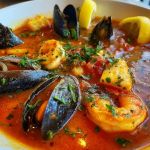 Traditional Spanish Seafood with Saffron Broth Recipe: A Delicious and Authentic Dish
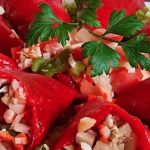 How to Make Spanish Piquillos Rellenos de Setas y Queso: Mushroom and Cheese Stuffed Peppers
 A Guide to the Most Popular Spanish Cheeses and Their Uses
 The Best Spanish Restaurants in Phoenix for Gourmet Spanish Cuisine - Rubi Spanish Table
 How to Make Spanish Croquetas de Jamón con Bechamel: Ham Croquettes with Cream Sauce
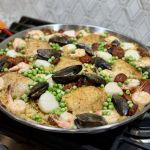 Spanish Paella Recipe for Large Groups and Gatherings