
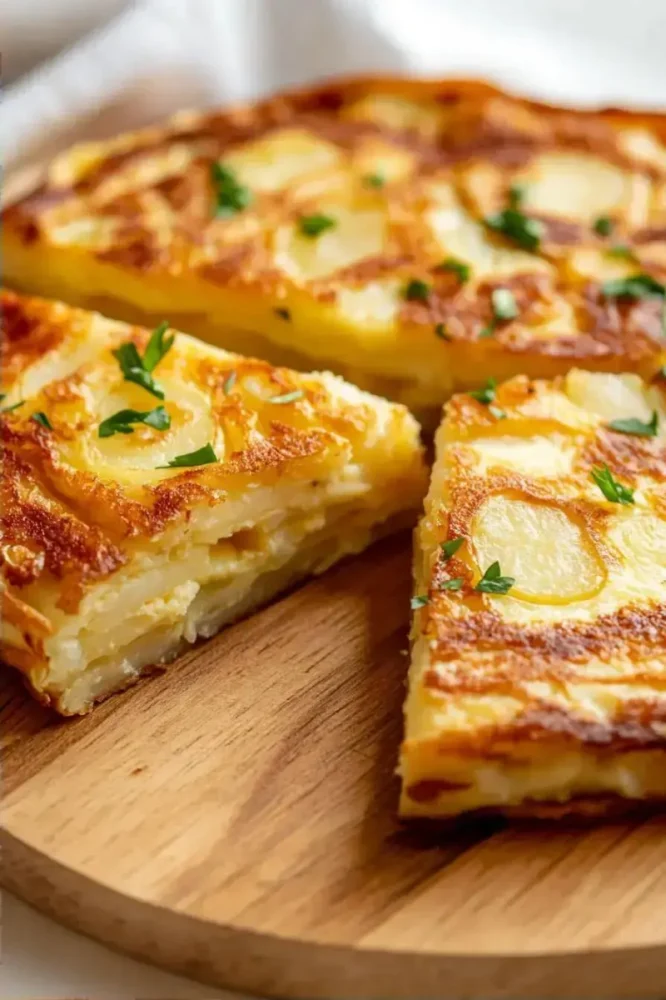
Easy Spanish Potato Omelette for Breakfast and Its Everyday Comfort
The idea of an Easy Spanish Potato Omelette for Breakfast is not just about food—it reflects a daily rhythm found in many Spanish homes where simple ingredients become something deeply comforting. Known traditionally as “tortilla de patatas,” this dish carries a reputation for being humble yet incredibly satisfying, especially in the morning when people want something warm, filling, and uncomplicated.
Unlike many modern breakfast options that rely on packaged or processed ingredients, this omelette represents a return to basics: eggs, potatoes, olive oil, and a bit of salt. What makes it special is not complexity, but balance. In fact, across Spain, it is common to find families preparing this dish in large pans so it can be enjoyed throughout the day, not just at breakfast.
The Cultural Meaning Behind Spanish Breakfast Traditions
Breakfast habits in Spain differ from many American routines. Instead of heavy sugary cereals or elaborate morning spreads, many households prefer something warm but light enough to start the day. The Easy Spanish Potato Omelette for Breakfast fits perfectly into this lifestyle.
In rural Spanish towns, it is common to see tortilla de patatas served at room temperature alongside coffee or fresh bread. It is also frequently packed into sandwiches for people heading to work or school. This flexibility is part of why it has remained popular for generations.
One widely shared story among home cooks involves a small café in Madrid where the owner prepared the same potato omelette every morning for over 20 years. Regular customers would arrive early just to get a slice before it sold out, proving how something so simple can become a daily ritual.
Ingredients That Define an Authentic Breakfast Omelette
To make a reliable Easy Spanish Potato Omelette for Breakfast, the ingredients must be chosen carefully. While the recipe is simple, quality matters significantly.
Potatoes as the Foundation
Waxy potatoes are typically preferred because they hold shape better during cooking. When sliced thin and slowly cooked in olive oil, they develop a soft texture without turning mushy.
Eggs That Bind Everything Together
Fresh eggs are essential. They should be whisked just enough to blend yolks and whites without over-aerating, which can affect the final texture.
Olive Oil as the Flavor Carrier
Traditional Spanish cooking relies heavily on olive oil, not just for cooking but for flavor depth. The potatoes are gently confited rather than fried aggressively, creating a silky interior texture.
For those looking to explore authentic cooking tools or ingredients, platforms like Rubi Spanish Table often provide access to Spanish-style cookware and pantry essentials that help replicate traditional results at home.
Step-by-Step Method for a Soft and Balanced Tortilla
Preparing the Potatoes
Start by peeling and slicing potatoes into thin, even pieces. The goal is consistency so they cook evenly. Slowly simmer them in olive oil at low heat rather than frying at high temperatures.
Combining Eggs and Potatoes
Once the potatoes are tender, they should be drained and mixed with beaten eggs. Allowing the mixture to rest for several minutes helps the flavors combine naturally.
Cooking the Omelette
The mixture is poured into a non-stick pan and cooked slowly over medium-low heat. After the bottom sets, the omelette is carefully flipped to cook the other side. This step often determines whether the texture remains creamy or becomes dry.
Final Texture Check
A perfectly cooked Easy Spanish Potato Omelette for Breakfast should be slightly soft in the center but firm enough to slice cleanly.
Common Mistakes Home Cooks Often Encounter
Overcooking the Eggs
One frequent issue is overcooking, which leads to a rubbery texture. The key is patience—low heat always produces better results.
Uneven Potato Cooking
If potatoes are cut inconsistently, some pieces may remain hard while others become too soft. Precision in slicing is essential.
Breaking the Omelette During Flipping
Many beginners struggle with flipping. Using a plate or lid to assist can prevent structural damage and help maintain shape.
In a shared cooking workshop in Barcelona, one instructor once explained that mastering tortilla flipping is less about speed and more about confidence. This insight helps many home cooks overcome hesitation.
Real-Life Kitchen Experience with a Spanish Breakfast Tradition
A home cook in California once shared how attempting the Easy Spanish Potato Omelette for Breakfast became a weekly family ritual. Initially, the dish was inconsistent—sometimes too dry, sometimes undercooked. But after adjusting heat levels and allowing more resting time for the egg mixture, the results improved dramatically.
Over time, the recipe turned into a bonding activity. Children helped slice potatoes, while adults handled the stove. What began as a cooking experiment eventually became a Sunday morning tradition that replaced processed breakfast foods.
Modern Variations and Serving Ideas for Busy Lifestyles
Adding Vegetables for Extra Nutrition
Some modern versions include onions, spinach, or bell peppers. These additions bring color and flavor while maintaining the dish’s core identity.
Serving Warm or Cold
One advantage of this omelette is versatility. It can be served hot for breakfast or chilled for lunch boxes, making it suitable for busy schedules.
Pairing with Simple Sides
Common pairings include crusty bread, fresh tomatoes, or a light salad. This keeps the meal balanced without overwhelming the palate.
For those interested in exploring more traditional meal ideas and authentic Spanish cooking essentials, Rubi Spanish Table often serves as a helpful reference point for discovering ingredients that elevate everyday cooking.
Why This Dish Continues to Stay Relevant Today
Even with the rise of global food trends, the Easy Spanish Potato Omelette for Breakfast remains timeless because it aligns with what many people seek today—simplicity, nourishment, and comfort. It does not require expensive ingredients or complicated techniques, yet it delivers consistent satisfaction.
Its adaptability also contributes to its popularity. Whether someone is cooking for one person or preparing a family meal, the recipe scales easily without losing its identity.
In a world where breakfast often feels rushed, this dish encourages slowing down just enough to appreciate a warm, homemade start to the day.



 Merengue Latín Restaurant4.0 (314 reviews)
 El Gran Valle3.0 (25 reviews)
 Food is Ready1.0 (1 reviews)
 Boqueria Fifth + Broadway4.0 (1403 reviews)
 La Fonda Restaurant4.0 (120 reviews)
 Kina's Spanish Restaurant4.0 (92 reviews)
 Authentic Spanish Seafood with Garlic and Olive Oil | Classic Recipe
 Authentic Spanish Rice Pudding (Arroz con Leche) Recipe: A Delicious Tradition
 How to Make Spanish Arroz con Mariscos y Verduras: Seafood and Vegetable Paella Recipe
 Exploring Spanish Culinary Traditions Through Seasonal Ingredients
 Discovering Regional Tapas Recipes Representing Spanish Culinary Diversity
 How to Make Spanish Tarta de Almendra y Limón: A Delicious Almond and Lemon Cake Recipe