
- -understanding-tapas-culture-and-spanish-hosting-style
- -easy-spanish-tapas-recipes-for-beginners
- -authentic-regional-tapas-variations
- -how-to-build-a-tapas-party-menu-at-home
- -real-hosting-stories-and-cultural-experiences
- -wine-pairings-and-flavor-balance-in-tapas
- -where-to-find-ingredients-and-host-like-a-local
Why Spanish Tapas Are More Than Just Small Plates
When people search for Spanish tapas recipes, they often imagine small appetizers served before dinner. But in Spain, tapas are far more than food—they are a lifestyle centered around sharing, conversation, and long evenings with friends and family.
The concept of tapas for entertaining at home comes directly from Spanish social culture, where meals are not rushed but enjoyed slowly across multiple dishes. Instead of one large entrée, tables are filled with small plates that encourage people to taste, talk, and linger.
A traveler visiting Seville once described how a simple evening out turned into a five-hour experience across three different bars. Each stop offered a new tapa—olives, jamón, croquetas—paired with conversation and laughter. That rhythm of eating slowly and socially is exactly what makes tapas so special.
In modern American homes, recreating this atmosphere has become increasingly popular. Platforms like Rubi Spanish Table help home cooks discover authentic ingredients and hosting ideas that bring Spanish dining culture into everyday life.

Barcelona Wine Bar
FairfieldGreater Bridgeport Planning RegionConnecticut
4180 Black Rock Tpke, Fairfield, CT 06824, USA
Easy Tapas Recipes Anyone Can Make at Home
1. Patatas Bravas: The Comfort of Crispy Potatoes and Bold Sauce
Among all authentic Spanish tapas, patatas bravas is one of the most iconic. It is made from crispy fried potatoes topped with a smoky tomato-based sauce and sometimes aioli.
What makes this dish perfect for home entertaining is its simplicity. The ingredients are easy to find, but the flavor feels rich and restaurant-quality. Many Spanish households serve it as a staple during gatherings because it pairs well with nearly everything.

2. Gambas al Ajillo: Garlic Shrimp That Brings Instant Flavor
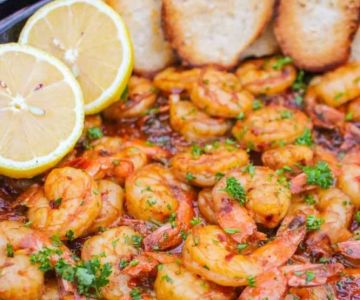
This sizzling shrimp dish is prepared in olive oil with garlic and chili. It is often served in small clay pots straight from the pan, creating an aromatic experience that immediately draws guests to the table.
In Spain, this tapa is often ordered in coastal regions where seafood is freshly caught daily. At home, it is one of the fastest dishes to prepare, making it ideal for last-minute hosting.
3. Tortilla Española: The Heart of Spanish Home Cooking
Spanish tortilla is a thick omelet made with potatoes and eggs. It can be served warm or at room temperature, making it perfect for entertaining.
Families in Spain often debate the “perfect” texture—some prefer it soft and slightly runny inside, while others like it fully cooked and firm. This simple dish often becomes the centerpiece of a homemade tapas party menu.
Regional Tapas That Bring Depth to Your Table
Spain’s culinary identity changes dramatically from region to region, and tapas reflect that diversity.
Andalusia: Fried Fish and Coastal Influence
In southern Spain, especially Andalusia, tapas often include fried fish like boquerones (anchovies) or calamari. The proximity to the sea heavily influences the flavors, keeping dishes light and fresh.
Basque Country: Pintxos Culture
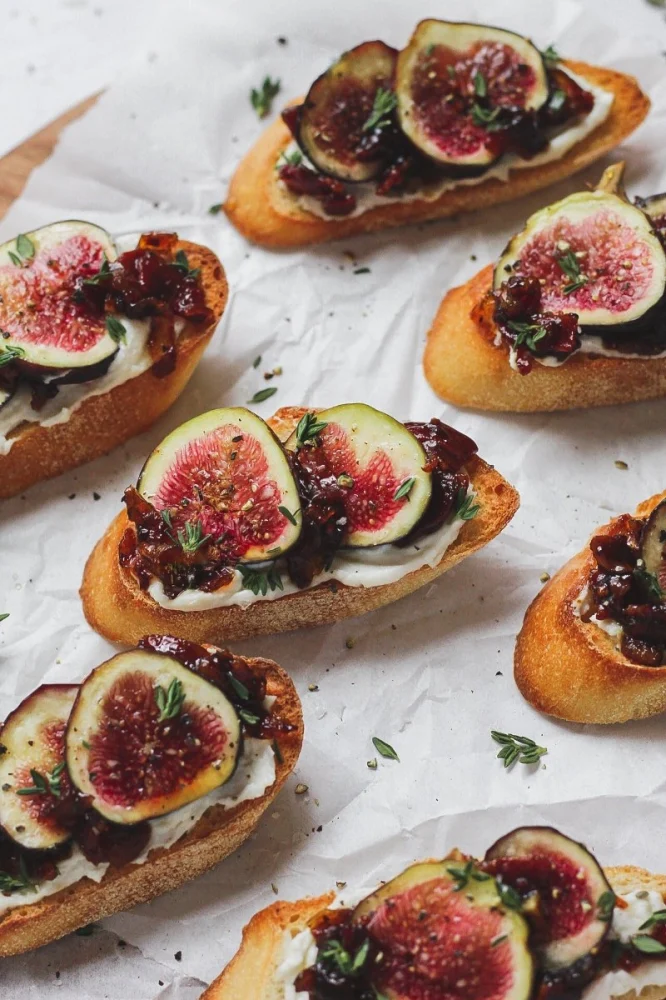
In northern Spain, tapas take the form of pintxos—small bites often served on bread and held together with a toothpick. These are highly creative and visually appealing, often found lined up across bar counters.
Catalonia: Bold Flavors and Tomato-Based Dishes
Catalan tapas often highlight rustic flavors like tomato-rubbed bread (pan con tomate), cured meats, and rich stews served in small portions.
How to Create a Tapas Party Experience at Home
Hosting with Spanish tapas recipes is not about cooking one big meal—it is about building a flowing experience where guests enjoy multiple small dishes over time.
1. Balance Warm and Cold Dishes
A good tapas table includes both hot and cold items. Warm dishes like croquetas or shrimp contrast beautifully with cold items like olives, cheese, or cured meats.
2. Keep Portions Small but Varied
Instead of focusing on quantity, focus on variety. Five to seven different tapas dishes are usually enough for a satisfying gathering.
3. Create a Natural Flow of Service
Tapas are meant to be served gradually. Instead of placing everything on the table at once, bring dishes out in waves. This creates a more relaxed and engaging atmosphere.
Many home cooks using inspiration from Rubi Spanish Table often structure their menu around a mix of quick recipes and slow-prepared favorites, ensuring guests always have something new to try throughout the evening.
Real Stories from Tapas Gatherings Around the World
One food enthusiast in New York shared how she transformed her small apartment into a Spanish-style tapas night for friends. Instead of a formal dinner, she prepared six simple dishes and served them gradually while playing Spanish guitar music in the background.
Guests described the experience as “traveling without leaving the city,” highlighting how tapas can transform even ordinary spaces into cultural experiences.
Another couple who visited Barcelona brought the concept back home and now hosts monthly tapas nights. They rotate dishes each time, experimenting with new easy tapas dishes like chorizo in red wine or marinated olives with citrus zest.
These stories show how tapas are not just recipes—they are a social tradition that adapts easily across cultures.
Wine Pairing and Flavor Harmony in Tapas Dining
Wine plays a significant role in Spanish dining culture. Choosing the right pairing enhances the flavors of tapas and elevates the overall experience.
Red Wines with Rich Tapas
Heavier dishes like meatballs in tomato sauce or chorizo pair well with Spanish reds such as Tempranillo. These wines balance the richness of the food.
White Wines with Seafood Tapas
Light seafood dishes like gambas al ajillo or calamari pair beautifully with crisp white wines, enhancing freshness without overpowering flavor.
Sherry as a Traditional Choice
In Andalusia, sherry is often served with tapas. Its unique flavor profile complements salty and savory dishes perfectly.
Where to Find Authentic Ingredients and Cook Like a Local
The quality of ingredients plays a huge role in authentic Spanish cooking. Olive oil, paprika, saffron, and cured meats define the flavor profile of traditional tapas.
Home cooks in the U.S. often rely on specialty food sources like Rubi Spanish Table to access authentic Spanish ingredients that are difficult to find in regular supermarkets.
A passionate home cook from California once shared how switching to authentic Spanish smoked paprika completely changed the taste of her patatas bravas, bringing it much closer to what she experienced in Madrid.
Cooking tapas at home becomes much more rewarding when ingredients reflect true Spanish flavors. Over time, many people find themselves experimenting more confidently, building their own version of a Spanish-inspired dining tradition.




 Cuscatlan Restaurant4.0 (222 reviews)
 Los Monos Restaurant - formerly 3 Monkeys4.0 (327 reviews)
 Café Madrid4.0 (1280 reviews)
 Ratata Chimi4.0 (28 reviews)
 Tía Pol4.0 (676 reviews)
 Malaga4.0 (1549 reviews)
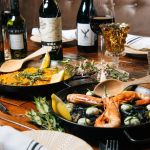 The Best Spanish Restaurants in Chicago | Top Tapas, Paella & More
 How to Make Spanish Arroz con Mariscos y Verduras: Seafood and Vegetable Paella Recipe
 How to Make Spanish Tarta de Almendra y Chocolate: Almond and Chocolate Cake
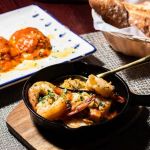 The Best Spanish Restaurants in Raleigh for Traditional Dishes and Tapas
 How to Make Authentic Spanish Paella at Home
 How to Make Spanish Tarta de Coco, Almendra y Limón: Coconut, Almond, and Lemon Cake