
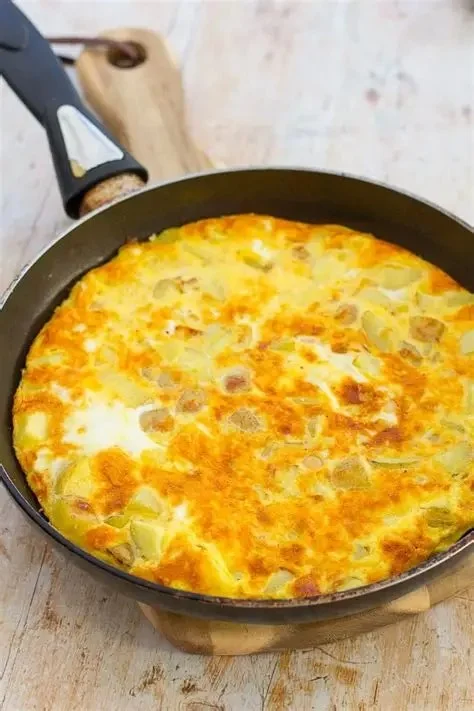
Why the No-Flip Method Is Changing the Way People Make Spanish Omelette at Home
- Understanding Traditional Tortilla Española Challenges - #traditional-challenges
- Why the No-Flip Method Works for Beginners - #no-flip-advantage
- Ingredients That Make a Perfect Spanish Omelette - #key-ingredients
- Step-by-Step Oven or Covered Pan Method - #step-by-step-method
- Real Home Cooking Stories and Kitchen Mistakes - #real-cooking-stories
- Texture, Timing, and Doneness Tips - #texture-timing
- How to Serve and Enjoy Like in Spain - #serving-style
Understanding Traditional Spanish Omelette and Why Flipping Becomes Difficult
When people search for How to Make Spanish Omelette Without Flipping It, they are usually trying to avoid one of the most intimidating steps in traditional Spanish cooking: the flip. The classic tortilla española, made with eggs, potatoes, and sometimes onions, is famous for its flavor but also for the challenge of turning it over without breaking it.
In Spain, flipping the omelette is often seen as a rite of passage. Many home cooks remember the first time they attempted it, only to end up with scrambled eggs and potatoes instead of a perfectly round tortilla. The problem is not the recipe itself, but the technique and timing required.
I once stayed with a family in Madrid where the grandmother insisted on teaching me the traditional flip method. Despite her confidence, even she admitted that accidents still happen when the pan is too large or the omelette is slightly undercooked. That experience made me appreciate why modern cooks look for easier alternatives.
This is where cooking platforms like Rubi Spanish Table have become popular among home cooks in the U.S., offering simplified Spanish recipes that preserve authenticity without requiring advanced kitchen skills.
Why the No-Flip Spanish Omelette Method Works So Well for Home Cooks
Learning How to Make Spanish Omelette Without Flipping It is not about changing the tradition—it is about adapting it to modern kitchens and reducing unnecessary stress. The no-flip method allows you to achieve the same creamy interior and golden top without the risk of breaking the omelette mid-cook.
One of the biggest advantages is consistency. Instead of relying on perfect timing and wrist control, the no-flip method uses controlled heat from the oven or covered cooking techniques to cook the omelette evenly on both sides.
A home cook in California shared her experience after switching to the no-flip method. She had tried the traditional version multiple times for weekend brunch but always ended up frustrated. Once she tried a covered pan technique, her results became consistent, and she began serving Spanish omelette confidently to guests.
This approach is especially helpful for beginners or anyone cooking for multiple people. It removes the pressure of perfect execution while still delivering authentic flavor.
Essential Ingredients That Define a Perfect Spanish Omelette
Before mastering How to Make Spanish Omelette Without Flipping It, it is important to understand the simplicity behind the dish. A traditional tortilla española relies on just a few ingredients, but each one plays a critical role in texture and flavor.
Potatoes are the foundation. They provide structure and a soft, creamy bite when cooked properly. The way they are sliced—thin and even—affects how the omelette holds together.
Eggs act as the binding element. Fresh eggs are essential because they create a smooth, rich texture that surrounds the potatoes evenly.
Onions are optional but widely used in many regions of Spain. They add natural sweetness and depth, especially when slowly caramelized.
Olive oil is another key component. It is used generously during cooking and contributes to the dish’s signature flavor. In traditional Spanish kitchens, olive oil is not just an ingredient but part of the cooking identity itself.
At Rubi Spanish Table, home cooks often discover that ingredient quality dramatically impacts final results, even more than technique alone.
Step-by-Step No-Flip Method for Spanish Omelette Success
The most reliable way to learn How to Make Spanish Omelette Without Flipping It is by using a controlled heat method that allows the omelette to set evenly without manual turning.
Start by gently cooking sliced potatoes in olive oil until they are soft but not browned. This step is essential because undercooked potatoes can ruin the final texture.
Once softened, combine the potatoes with beaten eggs and let the mixture rest for a few minutes. This allows the eggs to absorb the starch from the potatoes, creating a cohesive structure.
Instead of using a flipping technique, pour the mixture into a non-stick pan and cook on low heat with a lid. The trapped heat helps cook the top evenly without needing to turn the omelette.
Alternatively, some home cooks use an oven-safe skillet and finish the omelette in the oven. This method ensures even cooking from all sides and eliminates the risk of breaking the structure.
A cooking enthusiast in New York shared that after switching to the oven-finishing method, she finally achieved a restaurant-quality tortilla without stress or mess. She now prepares it weekly for brunch gatherings.
Real Kitchen Experiences and Common Mistakes Home Cooks Face
Many people attempting How to Make Spanish Omelette Without Flipping It encounter similar challenges, especially during their first few tries. One common issue is cooking the omelette on too high heat, which causes the bottom to brown too quickly while the inside remains undercooked.
Another frequent mistake is using too large a pan. A smaller, well-heated pan helps the omelette maintain structure and cook evenly.
I once helped a friend in Chicago prepare her first Spanish omelette for a dinner party. She was nervous about flipping it, so we used a covered pan method instead. The result was surprisingly successful, and guests assumed it had been made by an experienced chef.
Cooking communities like Rubi Spanish Table often highlight that mistakes are part of learning. What matters most is understanding heat control and ingredient balance rather than perfect execution on the first attempt.
Mastering Texture, Timing, and Doneness Without Flipping
One of the most important aspects of How to Make Spanish Omelette Without Flipping It is achieving the right texture. A perfect tortilla should be soft and slightly creamy in the center while fully set on the outside.
Timing plays a crucial role. Cooking too quickly results in a dry texture, while slow cooking ensures even heat distribution and a tender finish.
When using a lid or oven method, it is important to check doneness by gently pressing the surface. It should feel firm but still slightly soft underneath.
A professional chef once explained during a culinary workshop that patience is the secret ingredient in Spanish omelette. Rushing the process almost always leads to uneven texture.
With practice, home cooks begin to recognize subtle cues that indicate perfect doneness without needing to rely on flipping at all.
How to Serve Spanish Omelette Like It Is Done in Spain
Once you have mastered How to Make Spanish Omelette Without Flipping It, serving becomes the final step in completing the experience. In Spain, tortilla española is often served warm or at room temperature, sliced into wedges like a pie.
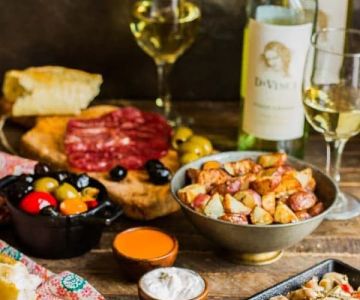
It can be enjoyed on its own, paired with crusty bread, or served as part of a larger tapas spread. Many families serve it during brunch, picnics, or casual gatherings.
In a small café in Barcelona, I once saw locals enjoying tortilla slices with a simple salad and olives. The simplicity of the meal highlighted the richness of the omelette itself.
At home, pairing it with fresh ingredients and sharing it with guests turns a simple dish into a social experience. Platforms like Rubi Spanish Table often inspire home cooks to recreate these authentic Spanish moments in their own kitchens.
For those looking to explore further, experimenting with herbs, vegetables, or regional variations can bring a personal touch while still respecting traditional roots. The no-flip method makes it easier than ever to enjoy this iconic dish without fear of failure.

 Gypsy Kitchen DC4.0 (1780 reviews)
 Boqueria W40th4.0 (2909 reviews)
 Don Pepe Restaurant4.0 (2488 reviews)
 Grillers Puerto Rico4.0 (14 reviews)
 Spanish River Grill & Wine Bar4.0 (179 reviews)
 Elizabeth Bar and Grill4.0 (31 reviews)
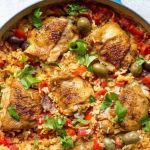 How to Make Spanish Arroz con Pollo: Chicken and Rice Paella
 How to Make Spanish Calamares a la Andaluza con Limón: Andalusian Squid with Lemon Recipe
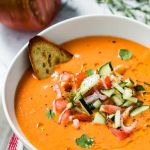 How to Make Spanish Gazpacho for Hot Summer Days
 Best Spanish Food Markets in Salamanca for Fresh Meats and Cheeses
 Spanish Dinner Ideas for Date Night at Home | Rubi Spanish Table
 Authentic Spanish Tomato Sauce Recipe from Scratch