
- Roots of Spanish Seafood Cooking
- What Defines Authentic Spanish Techniques
- Iconic Traditional Spanish Seafood Dishes
- Regional Coastal Influences in Spain
- How Paella Became a Symbol of Tradition
- Real Story From Valencia Seaside Cooking
- Selecting the Freshest Seafood Like Spanish Chefs
- Traditional Cooking Methods vs Modern Shortcuts
- Wine Pairings and Seafood Culture in Spain
- How Rubi Spanish Table Supports Authentic Cooking
- Why Authentic Spanish Seafood Still Matters Today
Roots of Spanish Seafood Cooking
The story of Traditional Spanish Seafood with Authentic Techniques begins along Spain’s long and diverse coastline, where fishing communities shaped the foundation of one of the world’s most respected culinary traditions.
For centuries, coastal towns like Galicia, Valencia, and Andalusia developed their own methods of preparing seafood based on local catches, climate, and available resources.
Coastal Life and Culinary Necessity
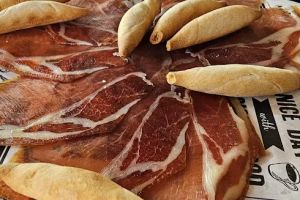
In early Spanish fishing villages, seafood wasn’t a luxury—it was survival. Fishermen’s families relied on daily catches like sardines, squid, mussels, and hake.
Cooking methods had to be simple, fast, and flavorful, leading to techniques that are still used today.

What Defines Authentic Spanish Techniques
Respect for Ingredients Above All
Authentic Spanish seafood cooking is built on the idea that fresh ingredients should shine without being overwhelmed by heavy sauces or unnecessary complexity.
Olive oil, garlic, sea salt, and paprika are often the only enhancements needed.
Slow Development of Flavor
Unlike fast cooking styles, traditional Spanish techniques emphasize slow simmering, gentle sautéing, and controlled heat to preserve seafood texture.
Wood Fire and Clay Cookware Traditions
Many traditional dishes were originally cooked over open flames or in clay pots, adding a smoky depth that modern kitchens often try to replicate.
Iconic Traditional Spanish Seafood Dishes
Seafood Paella as a Cultural Landmark
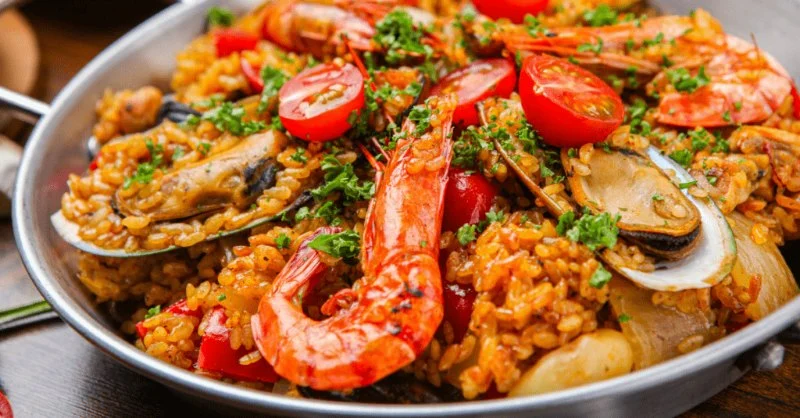
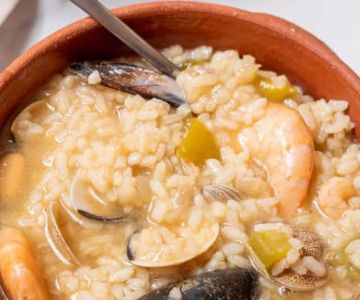
Perhaps the most famous representation of Spanish seafood cuisine is paella, a rice-based dish originating from Valencia.
It combines saffron-infused rice with shrimp, mussels, clams, and sometimes cuttlefish.
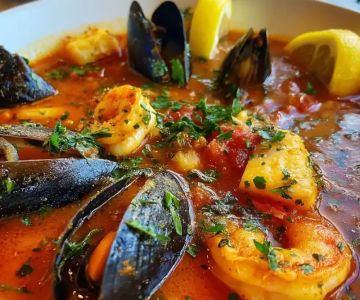
Zarzuela de Mariscos
This Catalan seafood stew is rich, aromatic, and deeply rooted in coastal tradition.
It blends multiple seafood types in a tomato-based broth infused with herbs and wine.
Grilled Sardines and Simple Coastal Cooking
Along southern beaches, sardines grilled over open flames remain a symbol of everyday Spanish culinary life.
Regional Coastal Influences in Spain
Galician Ocean Tradition
Galicia is known for its cold-water seafood, especially octopus and shellfish, often prepared simply with olive oil and paprika.
Andalusian Fried Seafood Culture
Southern Spain introduced “pescaíto frito,” a crispy fried seafood tradition served fresh with lemon.
Valencian Rice Heritage
Valencia remains the heart of rice-based seafood cooking, especially paella traditions passed down through generations.
How Paella Became a Symbol of Tradition
From Farm Fields to Global Recognition
Originally cooked by farm workers over open fires, paella evolved into a national symbol of Spanish culinary identity.
The Importance of the “Socarrat”
The crispy layer of rice at the bottom of the pan, known as socarrat, is considered the signature of properly cooked paella.
Real Story From Valencia Seaside Cooking
A Family Sunday Tradition
In Valencia, a local family continues a Sunday tradition of cooking seafood paella outdoors near the beach, using firewood collected from nearby pine forests.
The ritual involves multiple generations, each responsible for a step—preparing broth, cleaning seafood, or managing the fire.
Why This Tradition Matters
This isn’t just cooking; it is cultural preservation passed down through lived experience.
Selecting the Freshest Seafood Like Spanish Chefs
Visual and Sensory Indicators
Fresh seafood should have a clean ocean smell, firm texture, and bright, natural coloration.
Market Culture in Spain
Spanish chefs often visit local fish markets early in the morning to select the freshest catch available that day.
Traditional Cooking Methods vs Modern Shortcuts
Slow Cooking vs Instant Flavor
Traditional techniques prioritize depth of flavor built over time, while modern shortcuts often sacrifice complexity for speed.
Why Traditional Methods Still Win
Even in professional kitchens, chefs return to traditional methods because they produce richer and more balanced flavors.
Wine Pairings and Seafood Culture in Spain
White Wines From Coastal Regions
Albariño from Galicia is a classic pairing with shellfish and light seafood dishes.
Cava and Celebration Meals
Spain’s sparkling wine is often served during festive seafood gatherings.
How Rubi Spanish Table Supports Authentic Cooking
Bringing Traditional Spanish Seafood with Authentic Techniques into modern kitchens requires access to quality ingredients and tools.
Rubi Spanish Table supports home cooks and chefs by offering curated essentials that help recreate authentic Spanish seafood experiences.
From cookware to specialty ingredients, it bridges the gap between tradition and modern accessibility.
Why Authentic Spanish Seafood Still Matters Today
In a world dominated by fast food and fusion cuisine, traditional Spanish seafood stands as a reminder of cultural identity and culinary patience.
It preserves the connection between land, sea, and community through food that tells a story.
Whether enjoyed in a coastal village or recreated at home, these dishes carry generations of knowledge and pride.
 Xunta Tapas Espana4.0 (226 reviews)
 Condado4.0 (37 reviews)
 Tapas Papa Frita4.0 (1388 reviews)
 Bar Siesta4.0 (63 reviews)
 Jaleo4.0 (1015 reviews)
 Enoteca5.0 (2 reviews)
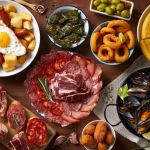 Exploring the Regional Cuisines of Spain: A Culinary Journey Through Spain’s Flavors
 Spanish Rice Recipe with Garlic and Onion
 How to Make Spanish Pollo al Horno: Authentic Oven-Baked Spanish Chicken Recipe
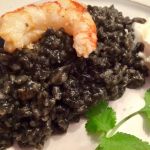 How to Make Spanish Arroz Negro con Sepia y Gambas: Black Rice with Cuttlefish and Shrimp | Rubi Spanish Table
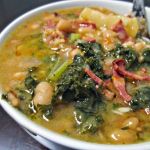 How to Make Spanish Caldo Gallego: Hearty Galician Soup
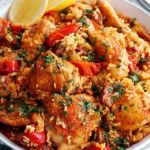 Spanish Mediterranean Recipes for Families | Rubi Spanish Table