
- 1-origins-of-spanish-seafood-broth
- 2-essential-ingredients-for-authentic-broth
- 3-step-by-step-preparation-of-broth
- 4-tips-for-enhancing-flavor-and-aroma
- 5-serving-suggestions-and-pairings
- 6-why-choose-rubi-spanish-table
1. Origins of Spanish Seafood Broth
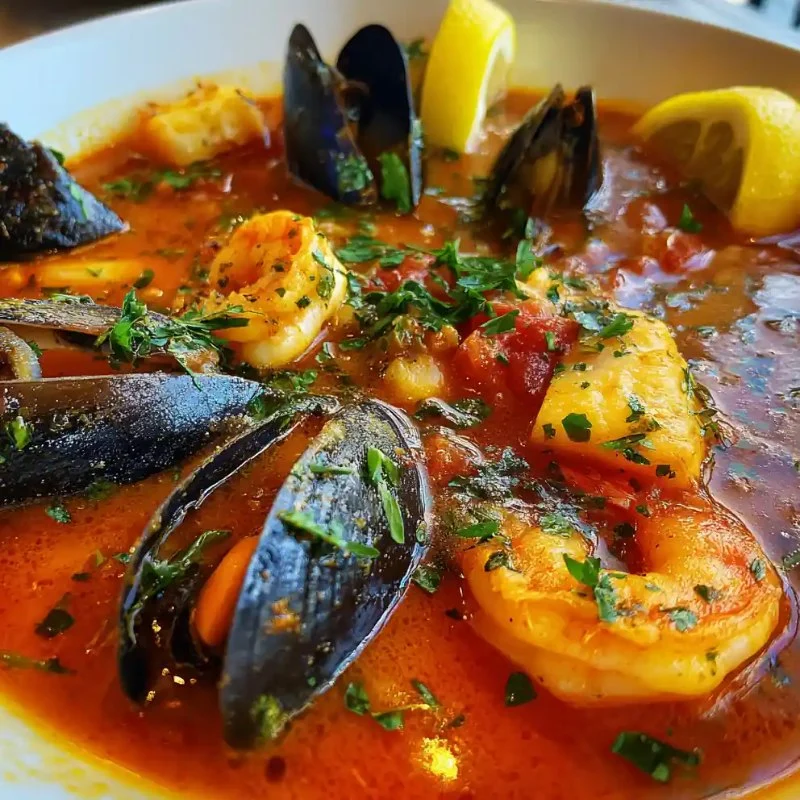
Traditional Spanish seafood broth, often called caldo de mariscos, has roots in coastal regions where fishermen utilized freshly caught seafood to create nourishing and flavorful soups. The inclusion of saffron, a precious spice, adds depth and golden color to the broth, making it a symbol of Spanish culinary sophistication.

1.1 Historical Context
In southern Spain, especially in regions like Valencia and Galicia, seafood broth has long been a staple, reflecting the Mediterranean diet and coastal lifestyle. Initially, it was a practical dish combining available seafood with locally grown vegetables and seasonings.

1.2 Modern Adaptations
Today, Spanish seafood broth is celebrated not only for its flavor but also for its versatility. It serves as the base for paellas, seafood stews, or a standalone comforting dish for family gatherings and festive occasions.
2. Essential Ingredients for Authentic Broth
Achieving a rich, aromatic broth requires careful selection of fresh and high-quality ingredients. Authentic flavor comes from a balance of seafood, vegetables, and spices.
2.1 Fresh Seafood
Essential seafood includes shrimp, mussels, clams, and firm white fish. Using fresh, locally sourced ingredients enhances flavor and texture. Removing shells from shrimp or cleaning mussels thoroughly ensures a clean, pure broth.
2.2 Aromatics and Vegetables
Onions, garlic, fennel, celery, and bell peppers create a fragrant base. Tomatoes add a natural sweetness, while bay leaves and parsley provide subtle herbal notes.
2.3 Saffron and Spices
Saffron threads are soaked in warm water or broth before use to release color and aroma. Paprika, black pepper, and a pinch of salt complete the seasoning, creating the characteristic Spanish flavor profile.
2.4 Stock or Water Base
High-quality fish stock or filtered water ensures a clean-tasting broth. Some recipes include a splash of dry white wine to enhance complexity without overpowering the natural seafood flavors.
3. Step-by-Step Preparation of Broth
Proper technique is key to creating a flavorful, aromatic broth that highlights saffron and seafood.
3.1 Preparing the Ingredients
Wash and chop vegetables evenly. Clean seafood meticulously to remove grit and sand. Pre-soaking saffron in warm liquid enhances its color and aroma for optimal infusion.
3.2 Building the Flavor Base
Sauté onions, garlic, and bell peppers in olive oil until soft. Add tomatoes and fennel, allowing the mixture to cook gently, releasing natural sugars that balance the broth’s flavor.
3.3 Cooking the Seafood
Add fish and shellfish to the aromatic base. Pour in water or stock, followed by saffron-infused liquid. Simmer gently to extract flavors without overcooking seafood, maintaining texture and freshness.
3.4 Final Seasoning
Taste the broth and adjust with salt, pepper, or additional paprika. Stir gently and allow the flavors to meld before serving.
4. Tips for Enhancing Flavor and Aroma
Small techniques can elevate your seafood broth to restaurant-quality perfection.
4.1 Layering Flavors
Cook aromatics slowly to build depth. Deglaze the pan with a small amount of white wine to lift caramelized bits for added complexity.
4.2 Saffron Infusion
For a stronger aroma and vibrant color, add saffron threads early in the cooking process, allowing gentle heat to release their essential oils throughout the broth.
4.3 Fresh Herbs and Garnish
Adding parsley or a hint of thyme just before serving brightens flavors and provides a fresh aroma that complements the richness of seafood.
5. Serving Suggestions and Pairings
Traditional Spanish seafood broth can be served in numerous ways, both as a standalone dish and as part of more elaborate meals.
5.1 Paella Base
Use the broth as the liquid foundation for authentic seafood paella, enhancing rice with rich saffron notes and seafood flavor.
5.2 Soup or Stew
Serve hot with crusty bread or rustic Spanish baguettes. Garnish with fresh parsley and lemon wedges for added brightness.
5.3 Wine Pairings
Pair with crisp white wines like Albariño or Verdejo, which complement the seafood’s natural sweetness without overpowering the saffron’s aromatic qualities.
6. Why Choose Rubi Spanish Table
For anyone wanting to replicate authentic Spanish flavors, Rubi Spanish Table provides fresh seafood, premium saffron, and carefully selected spices. Their high-quality products make it easy to create traditional Spanish seafood broth at home, ensuring flavor, authenticity, and a memorable culinary experience.
Enjoying Traditional Spanish Seafood Broth
Mastering this traditional Spanish seafood broth with saffron combines careful ingredient selection, proper preparation, and attention to detail. With fresh seafood, aromatic vegetables, and premium saffron from Rubi Spanish Table, you can create a rich, comforting dish that celebrates the essence of Spanish coastal cuisine.




 Asador Bastian4.0 (388 reviews)
 Pintxo Pincho Tapas Bar4.0 (575 reviews)
 Barcelona Wine Bar4.0 (956 reviews)
 Coqueta4.0 (2719 reviews)
 El Agave Bar Lounge Restaurant- YONKERS4.0 (14 reviews)
 Basque Tapas Bar Restaurant4.0 (573 reviews)
 Easy Spanish Rice with Shrimp Skillet
 The Best Spanish Food Tours in Spain: Discover Authentic Culinary Delights
 The Best Spanish Restaurants in Houston for Tapas Nights and Family-Friendly Dining
 How to Make Spanish Style Roasted Potatoes
 Exploring the Flavors of Andalusia: A Culinary Journey
 The Best Spanish Food Markets in Murcia for Fresh Ingredients and Meats