
- 1 - Ingredients and Selection for Authentic Spanish Seafood Rice
- 2 - Preparing the Saffron and Stock
- 3 - Step-by-Step Cooking Techniques
- 4 - Holiday Serving Tips and Garnishes
- 5 - Common Mistakes and How to Avoid Them
- 6 - Personal Touches and Family Traditions
- 7 - Where to Find Authentic Ingredients and Tools
1 - Ingredients and Selection for Authentic Spanish Seafood Rice
1.1 Choosing the Right Rice
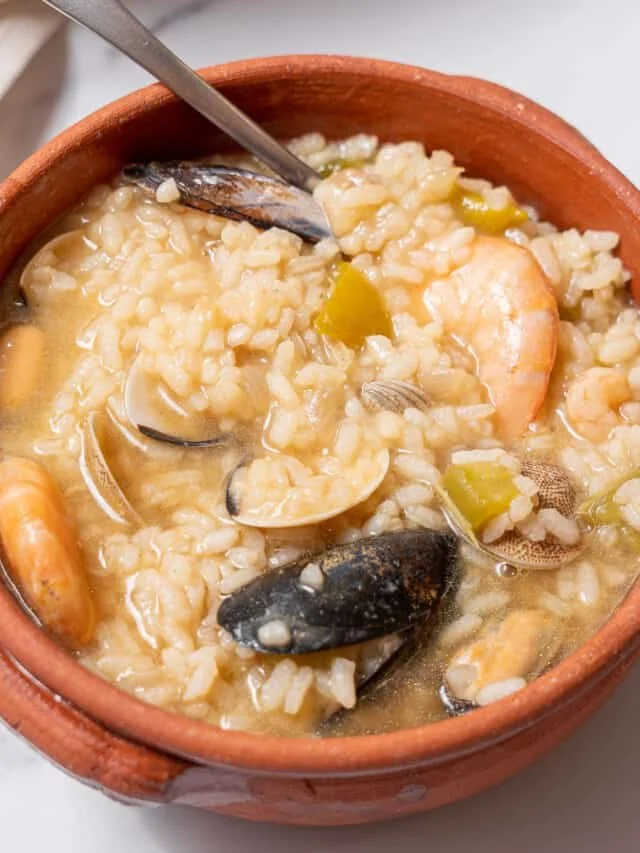
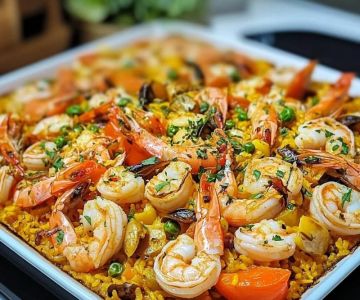
The foundation of traditional Spanish seafood rice is the rice itself. Short-grain varieties like Bomba or Calasparra absorb flavors without turning mushy. Selecting quality rice ensures that each grain remains distinct, delivering a perfect texture essential for holiday celebrations.
1.2 Selecting Fresh Seafood
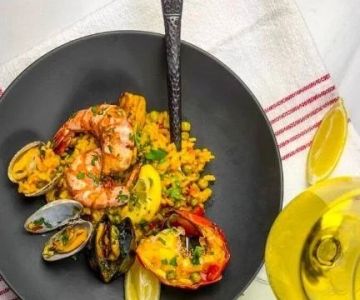
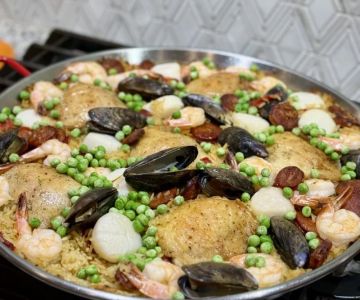
Freshness is key for seafood rice. Include a mix of shrimp, mussels, clams, and squid for a balanced flavor profile. Local seafood markets often provide the freshest catches, which contribute to both the aroma and taste that define a festive Spanish meal.
1.3 Additional Ingredients
Traditional seasonings include saffron, paprika, garlic, and fresh herbs. Olive oil, onions, and bell peppers form the base, while tomatoes provide acidity and color. For holidays, consider adding a splash of white wine to elevate the depth of flavor.
2 - Preparing the Saffron and Stock
2.1 Infusing Saffron
Saffron threads should be soaked in warm stock or water to release their vibrant color and aroma. This step is crucial, as saffron is the spice that gives authentic Spanish seafood rice its signature golden hue and subtle floral notes.
2.2 Making a Rich Seafood Stock
Using shells and trimmings from shrimp, crab, or fish to create a homemade stock enhances the depth of flavor. Simmer with onions, garlic, carrots, and a bay leaf for at least 30 minutes. Straining the stock ensures a smooth, rich liquid to cook the rice perfectly.
3 - Step-by-Step Cooking Techniques
3.1 Sautéing Aromatics
Begin by sautéing onions, garlic, and bell peppers in olive oil until soft. Add tomatoes and paprika, stirring to develop a thick base. These steps form the flavor foundation, ensuring each grain of rice absorbs the essence of the dish.
3.2 Layering Rice and Seafood
Add the rice evenly to the pan and briefly toast it. Gradually pour in warm seafood stock and saffron infusion. Arrange seafood on top without stirring, allowing it to cook naturally. This method preserves the integrity of the seafood and creates a visually appealing dish for holiday presentations.
3.3 Cooking and Resting
Simmer the rice over medium heat, avoiding over-stirring. Once the liquid is absorbed, cover the pan and allow it to rest for a few minutes. This resting period helps the flavors meld and the rice grains to settle perfectly.
4 - Holiday Serving Tips and Garnishes
4.1 Choosing the Right Serving Dish
Traditional paella pans or wide shallow dishes are ideal for serving. They allow the rice to spread evenly, creating the characteristic socarrat, or crispy bottom layer, which is highly prized in Spanish cuisine.
4.2 Garnishing for Visual Appeal
Fresh parsley, lemon wedges, and a drizzle of high-quality olive oil enhance both flavor and presentation. For holiday gatherings, bright colorful garnishes elevate the dish, making it a centerpiece that captures attention.
5 - Common Mistakes and How to Avoid Them
5.1 Overcooking the Rice
Maintaining the correct simmering time is critical. Overcooked rice becomes mushy, detracting from the authentic texture. Using a timer and checking liquid levels regularly prevents this common error.
5.2 Overcrowding the Pan
Adding too much seafood or rice can lead to uneven cooking. Distribute ingredients evenly and ensure the pan is large enough to accommodate all components comfortably.
5.3 Neglecting Flavor Development
Skipping the sautéing step or under-seasoning the stock can result in bland dishes. Take time to develop the base flavors; this is where much of the depth and holiday appeal comes from.
6 - Personal Touches and Family Traditions
6.1 Adding Your Favorite Ingredients
While traditional Spanish seafood rice has a classic set of ingredients, adding a personal twist like chorizo slices or roasted vegetables can make the dish unique for your family. Experimenting respectfully enhances engagement and enjoyment during holidays.
6.2 Sharing Stories and Memories
Cooking this dish during holidays is often accompanied by family stories or traditions. Sharing these memories while preparing the paella adds emotional warmth and creates lasting bonds, making the meal more than just food—it becomes a celebration of heritage.
7 - Where to Find Authentic Ingredients and Tools
7.1 Specialty Markets and Online Resources
Authentic saffron, Spanish rice varieties, and paella pans can be found at specialty markets or reputable online stores. For US-based readers, Rubi Spanish Table offers curated selections for holiday cooking, ensuring you have everything needed for an authentic experience.
7.2 Tips for Sourcing Fresh Seafood
Local seafood markets or trusted suppliers provide the freshest ingredients for holiday paella. Planning ahead and choosing the best quality seafood ensures your Spanish seafood rice delivers exceptional flavor and texture, impressing your guests and family alike.

 La Cabra Boja0.0 (0 reviews)
 Buen Provecho Good Eats0.0 (0 reviews)
 Ole Spanish Tapas Restaurant4.0 (37 reviews)
 Gusto y Sabor4.0 (123 reviews)
 Chinchorro Boricua0.0 (0 reviews)
 Spanish Restaurant Tapas - Alcala4.0 (455 reviews)
 How to Make Spanish Pollo al Horno con Verduras: Oven-Roasted Chicken with Vegetables
 How to Make Spanish Croquetas de Jamón y Espinacas: Ham and Spinach Croquettes
 Authentic Traditional Spanish Seafood with Garlic Butter
 How to Make Spanish Tarta de Chocolate: Rich Chocolate Cake Recipe
 How to Make Spanish Pollo al Ajillo: Garlic Chicken
 How to Make Spanish Calamares a la Romana: Fried Squid Rings