
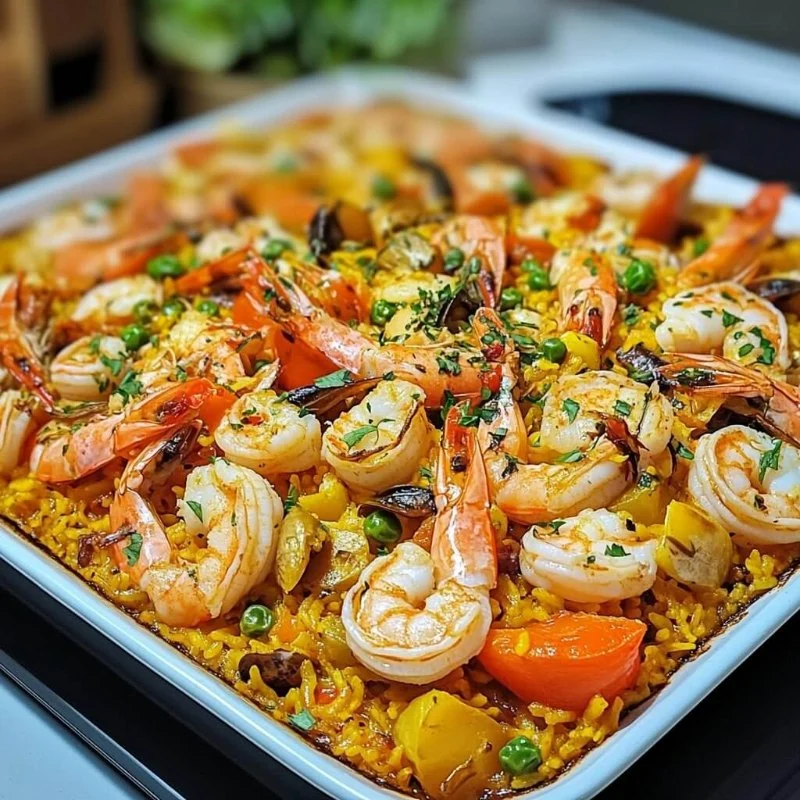
- -essential-ingredients-for-traditional-spanish-seafood-pasta
- -choosing-the-right-pasta-type
- -selecting-fresh-seafood-for-best-flavor
- -preparing-the-sauce-and-seasonings
- -step-by-step-cooking-instructions
- -preparing-the-seafood-properly
- -sautéing-aromatics-and-building-flavor
- -incorporating-tomatoes-and-broth
- -adding-pasta-and-mixing-with-sauce
- -finishing-touches-with-seafood-and-herbs
- -tips-for-perfectly-cooked-pasta
- -how-to-balance-flavors-for-authenticity
- -common-mistakes-and-how-to-avoid-them
- -pairing-suggestions-with-wine-and-sides
- -serving-presentations-and-garnishing-tips
- -storage-and-reheating-guidelines
- -variations-for-different-seafood-combinations
- -adapting-the-recipe-for-dietary-preferences
- -real-life-examples-from-spanish-kitchens
- -enhancing-aroma-with-fresh-herbs-and-spices
- -using-local-ingredients-for-freshness
- -techniques-to-avoid-overcooking-seafood
- -how-to-achieve-rich-and-balanced-sauce
- -timing-and-sequencing-cooking-steps
- -importance-of-pasta-water-in-sauce-emulsification
- -using-high-quality-olive-oil-and-seasonings
- -tips-for-cleaning-and-prepping-shellfish
- -how-to-make-dish-visually-appealing
- -incorporating-traditional-spanish-flavors-into-modern-kitchen
- -pairing-seafood-pasta-with-soups-and-starters
- -case-studies-of-successful-home-cooked-spanish-pasta
- -achieving-authentic-textures-and-taste
- -avoiding-common-flavor-mistakes-in-seafood-pasta
- -tips-for-leftover-seafood-pasta-storage
- -preparing-for-weekend-dinners-and-entertaining-guests
- -how-to-replicate-restaurant-quality-dishes-at-home
- -balancing-seafood-types-for-optimal-flavor
- -adapting-portion-sizes-for-meal-planning
- -using-traditional-cooking-tools-for-best-results
- -importance-of-freshness-and-seasonality
- -enhancing-flavor-with-citrus-and-aromatics
- -stepwise-guide-to-serve-seafood-pasta-hot-and-fresh
- -how-to-integrate-this-recipe-into-spanish-themed-meals
- -additional-tips-from-rubi-spanish-table-chefs
- -encouraging-family-and-friends-to-participate-in-cooking
- -final-thoughts-on-mastering-traditional-spanish-seafood-pasta
1. Essential Ingredients for Traditional Spanish Seafood Pasta
Begin with high-quality pasta, fresh seafood including shrimp, mussels, and clams, ripe tomatoes, garlic, onion, olive oil, white wine, and fresh herbs like parsley. These ingredients form the foundation of authentic Spanish flavor.

2. Choosing the Right Pasta Type
Long pasta such as spaghetti or linguine is ideal for seafood dishes, allowing the sauce to coat each strand evenly. Consider using semolina-based pasta for traditional texture and firmness.
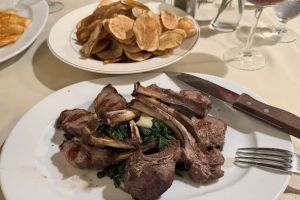
3. Selecting Fresh Seafood for Best Flavor
Purchase seafood from reputable sources and check for freshness indicators such as firm flesh, clear eyes, and a mild sea scent. Freshness directly impacts the flavor and texture of your pasta.
4. Preparing the Sauce and Seasonings
Start with sautéing garlic and onions in olive oil, then add chopped tomatoes, white wine, and seasoning. Allow flavors to meld, creating a rich base for the seafood.
5. Step-by-Step Cooking Instructions
Boil pasta to al dente. Sauté seafood separately to avoid overcooking. Combine pasta and sauce, gently folding in seafood to ensure even distribution and preserve delicate textures.
6. Preparing the Seafood Properly
Clean and devein shrimp, scrub clams and mussels, and ensure all shells are intact. Proper preparation reduces cooking time and enhances flavor.
7. Sautéing Aromatics and Building Flavor
Lightly sauté garlic, onion, and herbs in olive oil before adding liquids. This step releases essential oils and builds the foundational flavor profile.
8. Incorporating Tomatoes and Broth
Add fresh or canned tomatoes and a splash of seafood or chicken broth. Simmer to concentrate flavors and create a rich, aromatic sauce.
9. Adding Pasta and Mixing with Sauce
Drain pasta and toss in the simmered sauce. Use reserved pasta water if needed to adjust consistency. This helps the sauce adhere and enhances texture.
10. Finishing Touches with Seafood and Herbs
Gently fold in cooked seafood and sprinkle with fresh parsley or basil. Finish with a drizzle of high-quality olive oil for authentic Mediterranean aroma and flavor.
11. Tips for Perfectly Cooked Pasta
Cook pasta just until al dente, avoiding overcooking. Salt water generously, and stir occasionally to prevent sticking. Properly cooked pasta balances the rich seafood sauce.
12. How to Balance Flavors for Authenticity
Adjust acidity with a splash of lemon or wine. Balance saltiness from seafood with fresh herbs. Taste frequently to achieve the classic Spanish harmony of flavors.
13. Common Mistakes and How to Avoid Them
Avoid overcooking seafood, under-seasoning, or overcrowding the pan. Follow stepwise preparation, ensuring each ingredient is cooked appropriately for maximum flavor.
14. Pairing Suggestions with Wine and Sides
Complement with crisp white wine such as Albariño or Verdejo. Serve with crusty bread or a light salad to enhance the Mediterranean dining experience.
15. Serving Presentations and Garnishing Tips
Serve immediately on warm plates. Garnish with fresh herbs and a wedge of lemon. Presentation enhances appeal and showcases the vibrant colors of seafood and pasta.
16. Storage and Reheating Guidelines
Store leftovers in airtight containers for up to 2 days. Reheat gently on the stove or microwave, adding a splash of broth or olive oil to restore moisture.
17. Variations for Different Seafood Combinations
Experiment with calamari, scallops, or fish fillets. Adjust cooking times to preserve tenderness. Diverse seafood blends add depth to the dish while maintaining Spanish authenticity.
18. Adapting the Recipe for Dietary Preferences
For gluten-free options, substitute pasta with gluten-free alternatives. For low-sodium preferences, adjust seasoning and broth. The recipe remains flexible while preserving traditional flavor.
19. Real-Life Examples from Spanish Kitchens
Home cooks and chefs from coastal Spain emphasize freshness and simplicity. Recipes passed down in families highlight the importance of fresh seafood and balanced seasoning, as demonstrated by Rubi Spanish Table chefs.
20. Enhancing Aroma with Fresh Herbs and Spices
Parsley, saffron, and smoked paprika are signature seasonings. Adding these enhances aroma and authenticity, replicating traditional Spanish culinary techniques.
21. Using Local Ingredients for Freshness
Opt for locally sourced seafood and produce. Fresh ingredients amplify flavor and texture, reflecting the Mediterranean tradition of simple yet robust cooking.
22. Techniques to Avoid Overcooking Seafood
Cook seafood separately from pasta. Monitor closely and remove from heat once just cooked. Overcooked seafood loses texture and diminishes overall flavor.
23. How to Achieve Rich and Balanced Sauce
Simmer tomatoes, wine, and broth slowly. Stir frequently, tasting for seasoning adjustments. A well-balanced sauce is the heart of traditional Spanish seafood pasta.
24. Timing and Sequencing Cooking Steps
Cook pasta, sauce, and seafood in proper sequence to ensure everything is ready simultaneously. Coordination avoids overcooking and maintains freshness of ingredients.
25. Importance of Pasta Water in Sauce Emulsification
Reserve pasta water to blend sauce and pasta effectively. Starch in water helps thicken the sauce and allows it to cling evenly to noodles, enhancing flavor and consistency.
26. Using High-Quality Olive Oil and Seasonings
Premium olive oil elevates flavor profile. Combine with fresh garlic, herbs, and spices for an authentic Spanish taste that complements seafood and pasta perfectly.
27. Tips for Cleaning and Prepping Shellfish
Scrub shells thoroughly, discard damaged shells, and soak in salted water to remove sand. Proper cleaning ensures a clean, flavorful, and safe dish.
28. How to Make Dish Visually Appealing
Arrange seafood attractively atop pasta. Use color contrast with parsley, lemon wedges, and paprika. Presentation enhances dining experience and showcases craftsmanship.
29. Incorporating Traditional Spanish Flavors into Modern Kitchen
Blend classic Spanish ingredients with modern cooking techniques. Use sauté pans, controlled heat, and precise seasoning to recreate authentic flavors in a contemporary kitchen.
30. Pairing Seafood Pasta with Soups and Starters
Serve alongside gazpacho, light salads, or tapas. These pairings complement the pasta and offer a full Mediterranean dining experience for family and guests.
31. Case Studies of Successful Home-Cooked Spanish Pasta
Rubi Spanish Table home chefs report consistently replicating restaurant-quality seafood pasta by emphasizing freshness, proper timing, and layering flavors strategically.
32. Achieving Authentic Textures and Taste
Balance tenderness of pasta with cooked seafood, and ensure sauce is neither watery nor too thick. Authentic texture and flavor capture the essence of Spanish coastal cuisine.
33. Avoiding Common Flavor Mistakes in Seafood Pasta
Avoid over-salting, using frozen seafood exclusively, or neglecting seasoning timing. Correct application preserves freshness and traditional taste.
34. Tips for Leftover Seafood Pasta Storage
Store in airtight containers, refrigerate promptly, and consume within 2 days. Reheat gently, adding sauce or olive oil to maintain moisture and flavor.
35. Preparing for Weekend Dinners and Entertaining Guests
Plan ingredients ahead and pre-cook components where appropriate. Presentation and timing ensure a seamless, authentic Spanish meal experience for guests.
36. How to Replicate Restaurant-Quality Dishes at Home
Focus on ingredient quality, cooking technique, timing, and plating. Small details, like finishing olive oil and herbs, transform home cooking into a gourmet experience.
37. Balancing Seafood Types for Optimal Flavor
Combine shellfish, crustaceans, and fish to create layered flavors. Adjust cooking times for each type to ensure texture integrity and flavor balance.
38. Adapting Portion Sizes for Meal Planning
Scale seafood and pasta quantities to accommodate family meals or guests. Proper portioning ensures consistent flavor distribution and presentation quality.
39. Using Traditional Cooking Tools for Best Results
Utilize sauté pans, wooden spoons, and proper cookware to mimic traditional Spanish cooking methods. Tools impact heat distribution and final texture.
40. Importance of Freshness and Seasonality
Prioritize seasonal seafood and produce. Fresh, in-season ingredients dramatically enhance flavor, texture, and authenticity of the dish.
41. Enhancing Flavor with Citrus and Aromatics
Finish with lemon juice, zest, or fresh herbs. Aromatics elevate the dish, adding brightness and balancing rich seafood flavors.
42. Stepwise Guide to Serve Seafood Pasta Hot and Fresh
Serve immediately after cooking, ensuring pasta is coated evenly and seafood remains tender. Garnish and plate attractively to complete an authentic Spanish dining experience.
To explore more traditional Spanish recipes, cooking tips, and premium ingredients, visit Rubi Spanish Table for guidance and curated culinary products to bring Mediterranean flavors into your home kitchen.

 Tablao Wine Bar & Restaurant4.0 (623 reviews)
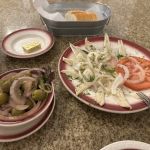 Café Riazor4.0 (267 reviews)
 L Campo4.0 (18 reviews)
 Txikito4.0 (529 reviews)
 El Pote Español4.0 (450 reviews)
 Tasty Leia's4.0 (4 reviews)
 Best Spanish Restaurants in New York City | Top Spots for Spanish Food
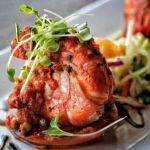 The Best Spanish Restaurants in Seattle
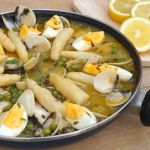 How to Make Spanish Merluza a la Vasca con Gambas: A Basque-Style Hake with Shrimp Recipe
 How to Make Spanish Tarta de Nuez, Almendra y Chocolate | Nut, Almond, and Chocolate Cake
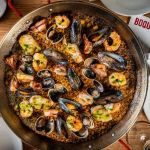 The Best Spanish Restaurants in Nashville for Tapas, Paella, and Authentic Spanish Cuisine
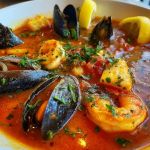 Traditional Spanish Seafood with Saffron Broth Recipe: A Delicious and Authentic Dish