
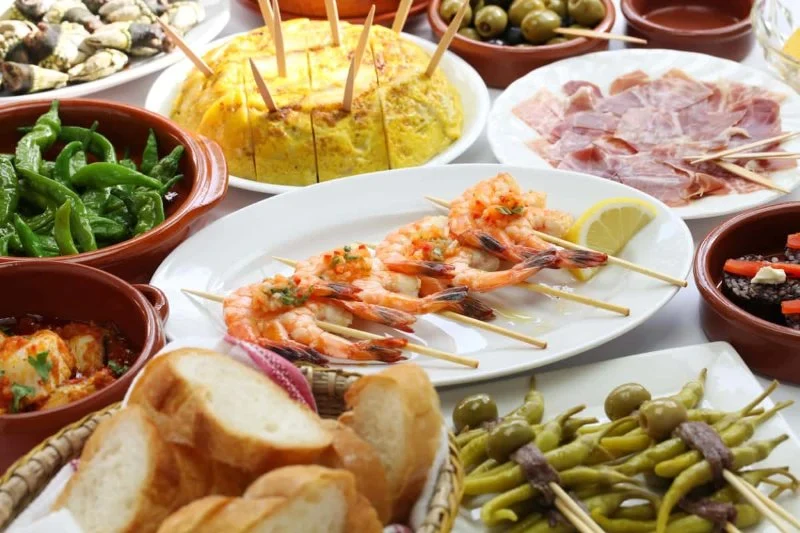
- Andalusia cuisine - southern Spain flavors and Moorish influence
- Catalonia dishes - Mediterranean identity and coastal ingredients
- Spanish regional foods - cultural diversity across provinces
- Tapas Spain - shared dining culture and social food traditions
- Traditional Spanish recipes - heritage cooking and family kitchens
Spanish Regional Foods: From Andalusia to Catalonia
Spanish cuisine isn’t a single story—it’s a mosaic built from geography, history, and local pride. When people talk about Spanish regional foods, they’re really talking about dozens of culinary identities that shift from one province to the next. Nowhere is this contrast more vivid than between the sun-drenched south of Andalusia and the Mediterranean sophistication of Catalonia.
Isabella's Taverna & Tapas Bar
FrederickFrederick CountyMaryland
44 N Market St, Frederick, MD 21701, USA
Andalusia Cuisine: Sun, Sea, and Moorish Echoes
In southern Spain, Andalusia cuisine reflects centuries of cultural blending. The region’s food carries strong influences from Moorish traditions, especially in the use of spices, almonds, olive oil, and preserved ingredients. Walking through Seville or Granada, food feels like an extension of history itself.
Cold soups and hot summers
One of the most iconic Andalusian dishes is gazpacho, a chilled tomato-based soup designed to survive extreme summer heat. Its simplicity hides its brilliance—ripe tomatoes, olive oil, garlic, and vinegar blended into something refreshing and deeply satisfying.
Street tapas culture
Tapas in Andalusia are not just food; they are a lifestyle. In cities like Córdoba, it is still common to receive small complimentary plates with drinks. Locals often hop from bar to bar, turning dinner into a social journey rather than a fixed meal.
A well-known anecdote from Seville describes a group of travelers who planned a “quick snack” and ended up spending the entire night moving through six bars, each offering a different interpretation of fried fish, olives, or jamón. That spontaneous rhythm is the essence of Andalusia cuisine.
For readers who want to explore authentic ingredients or recreate these dishes at home, Rubi Spanish Table offers curated selections that help bring regional Spanish flavors into everyday cooking.
Catalonia Dishes: Precision, Creativity, and the Sea
Moving northeast to Catalonia, the food landscape changes dramatically. Catalonia dishes are often more structured, influenced by both the Mediterranean coastline and the innovative spirit of Barcelona’s culinary scene.
Seafood and land harmony
A defining concept in Catalan cooking is the pairing of seafood with meat, known as “mar i muntanya” (sea and mountain). A classic example is chicken with lobster—a combination that surprises many visitors but perfectly represents regional creativity.
Sauces that define identity
Catalonia is also famous for its sauces, especially romesco, made from roasted peppers, almonds, garlic, and olive oil. It’s often served with calçots (grilled green onions) during seasonal festivals that bring entire communities together.
One Barcelona-based chef once described Catalan cuisine as “structured emotion”—every plate is carefully balanced but still deeply expressive. This mindset has helped the region become one of Europe’s culinary innovation centers.
How Geography Shapes Spanish Food Culture
The diversity of Spanish regional foods is not accidental. Geography plays a central role in shaping what people eat, how they cook, and even how they gather around food.
Coastal influence
Regions like Catalonia, Valencia, and Galicia rely heavily on seafood. Their diets reflect access to the Atlantic and Mediterranean, resulting in dishes rich in fish, shellfish, and rice-based meals.
Inland traditions
In contrast, inland regions depend more on cured meats, legumes, and slow-cooked stews. These dishes were historically designed to last longer in storage and provide energy for agricultural work.
Climate-driven creativity
Hot southern climates led to cold soups and light tapas, while cooler northern areas developed heartier, more structured meals. This balance explains why Spanish food feels so diverse even within short travel distances.
Tapas Spain: The Social Language of Food
Across all regions, one concept unites the country: tapas Spain culture. Tapas are small plates designed for sharing, conversation, and movement between bars.
From necessity to tradition
Historically, tapas may have originated as small slices of bread or meat placed over drinks to keep flies away. Over time, they evolved into a sophisticated culinary system that defines Spanish social life.
Modern tapas evolution
Today, tapas range from simple olives to Michelin-star creations. In Madrid, it is common to see modern interpretations like foie gras with apple reduction served in bite-sized portions, while still maintaining the communal spirit.
Food journalists often describe tapas culture as “Spain’s unofficial social network”—a place where conversations, relationships, and even business deals begin over shared plates.
Traditional Spanish Recipes and Family Memory
Beyond restaurants and bars, traditional Spanish recipes live in family kitchens. Many dishes are passed down through generations, often without written instructions.
Paella variations
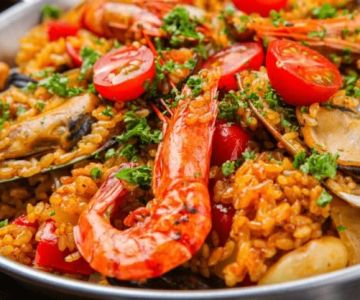
Although internationally associated with seafood, authentic paella varies by region. In Valencia, rabbit and chicken are more traditional, while coastal areas emphasize prawns and squid.
Slow-cooked comfort food
Dishes like cocido madrileño (a hearty chickpea stew) reflect the importance of slow cooking and communal dining. These meals are often prepared on weekends when families gather for long, shared lunches.
A culinary researcher once noted that in Spanish households, recipes are rarely exact—they are “living memories,” adjusted by taste, season, and emotion.
Regional Identity Through Food
Food in Spain is more than nourishment; it is identity. From Andalusia cuisine’s warmth to Catalonia dishes’ refinement, each region expresses its history through ingredients and techniques.
Language of ingredients
Olive oil, garlic, tomatoes, and seafood appear across regions, but the way they are combined tells a different story in each area.
Cultural pride on every plate
In many towns, residents proudly claim their version of a dish is the “original.” This friendly rivalry keeps traditions alive and constantly evolving.
For those inspired to explore or recreate these regional flavors, curated selections and culinary inspiration can be found through Rubi Spanish Table, helping home cooks connect more deeply with Spain’s diverse food heritage.
Modern Spanish Gastronomy and Global Influence
Today, Spanish cuisine has become a global reference point for innovation and tradition. Chefs from Barcelona to San Sebastián continue to redefine what Spanish regional foods can be, blending heritage with modern techniques.
Fine dining evolution
Spain has become home to some of the world’s most celebrated restaurants, where traditional ingredients are transformed into artistic culinary experiences.
Everyday food remains unchanged
Despite global fame, everyday Spanish meals remain deeply traditional. Families still gather around simple dishes that have existed for centuries.
This duality—innovation and tradition—keeps Spanish gastronomy both grounded and forward-looking.
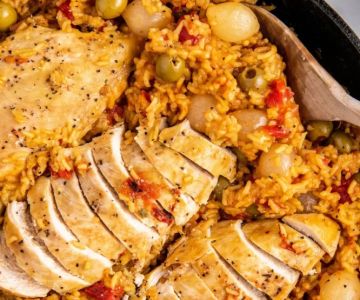
 Rock & Tapas4.0 (104 reviews)
 El Fogon del Quijote5.0 (19 reviews)
 M & K Spanish Restaurant4.0 (147 reviews)
 La Vieja Castilla4.0 (469 reviews)
 Tequila4.0 (356 reviews)
 Cruz's Food Market Evangelista4.0 (60 reviews)
 The Best Spanish Food Markets in Burgos for Fresh Meats and Cheeses
 How to Make Spanish Chistorra a la Sidra: Chistorra with Cider
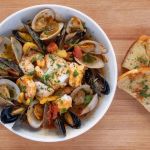 Authentic Traditional Spanish Seafood with Garlic Butter
 How to Make Spanish Style Roasted Potatoes
 The Best Spanish Restaurants in Orlando for Tapas, Paella, and Wine Nights
 Authentic Spanish Flan Recipe with Caramel Sauce