
- spanish-bread-origins-rustic-culture - Historical roots of traditional Spanish bread and regional variations
- how-to-make-spanish-bread-at-home-guide - Step-by-step breakdown of homemade Spanish bread techniques
- artisan-dough-fermentation-process - Understanding fermentation for authentic texture and flavor
- spanish-bread-regional-styles-comparison - Differences between rustic loaves across Spain
- baking-mistakes-and-fixes-guide - Common issues and how to achieve perfect crust and crumb
- real-home-baker-experiences-spain-style - Stories of home bakers recreating Spanish bread abroad
- olive-oil-and-flour-quality-impact - Why ingredients define authenticity in Spanish baking
- traditional-oven-techniques-modern-kitchens - Adapting old-world baking methods to home ovens
- rubi-spanish-table-baking-inspiration - Curated guidance and authentic Spanish ingredient sourcing
The Cultural Heart of Traditional Spanish Bread and Why It Still Matters Today
In Spain, bread is not just food—it is part of daily life, culture, and identity. From small village bakeries in Andalusia to bustling markets in Madrid, the smell of freshly baked loaves defines morning routines across the country. Understanding How to Make Traditional Spanish Bread at Home is not only about technique, but also about connecting with a centuries-old culinary tradition that values simplicity, patience, and quality ingredients.
Unlike highly processed commercial breads, traditional Spanish bread is rooted in rustic methods. It often uses just flour, water, salt, and natural fermentation. Yet, the result is a deeply flavorful crusty loaf with a soft interior that reflects regional character and baking heritage.
The Origins of Rustic Spanish Bread and Its Regional Identity
From Village Ovens to Modern Kitchens
Historically, Spanish bread was baked in communal ovens where families brought their dough to be baked at high temperatures. These ovens were central to village life, serving as gathering places and cultural hubs. The simplicity of ingredients was balanced by skillful baking techniques passed down through generations.

Puerta Del Sol Restaurant
San JoseSanta Clara CountyCalifornia
668 Blossom Hill Rd, San Jose, CA 95123, USA
Regional Differences That Shape Flavor
In northern Spain, breads tend to be denser with a stronger crust, while southern regions favor lighter textures with olive oil influence. Each variation reflects local climate, grain availability, and culinary tradition. This diversity is what makes Spanish bread culture so rich and fascinating.
A Personal Story from a Home Baker in California
A home baker in California once shared how she became fascinated with Spanish bread after traveling through Seville. Upon returning home, she struggled to replicate the texture she experienced abroad. After months of experimentation with hydration levels and fermentation timing, she finally achieved a loaf that reminded her of a small bakery she visited in Spain. That moment became her gateway into artisan baking.
Essential Ingredients for Authentic Spanish Bread at Home
The Role of Flour Quality
Flour is the foundation of any bread, and in Spanish baking, its quality directly impacts texture and flavor. Traditional Spanish bread often uses high-protein wheat flour, which supports gluten development and creates structure.
Water, Salt, and Simplicity
One of the defining characteristics of Spanish bread is its simplicity. Water and salt are not just supporting ingredients—they are essential to structure and taste balance. The purity of ingredients allows fermentation to shine.
Olive Oil in Regional Variations
While not always included, olive oil plays an important role in certain regional breads. It adds softness, richness, and a subtle Mediterranean aroma that enhances the final loaf.
Why Ingredient Sourcing Matters
Authenticity depends heavily on sourcing. This is why many home bakers turn to curated suppliers like Rubi Spanish Table, where traditional Spanish ingredients are more accessible and aligned with authentic baking methods.
Step-by-Step Process: How to Make Traditional Spanish Bread at Home
Preparing the Dough with Intention
The process begins with mixing flour, water, salt, and yeast or natural starter. The key is not speed but patience. Dough should be mixed until just combined, then allowed to rest so gluten can develop naturally.
Fermentation and Time Control
Fermentation is where flavor develops. Many Spanish bakers allow dough to rest for several hours, sometimes overnight. This slow process creates complexity in taste and improves texture significantly.
Shaping and Handling the Dough
Shaping requires a gentle touch. Overworking the dough can destroy air pockets formed during fermentation. Traditional shapes vary, but rustic round loaves are common across many regions.
Baking for Crust and Aroma
High heat is essential. A properly preheated oven helps create the signature crust that Spanish bread is known for. Steam during baking enhances texture and prevents premature crust hardening.
Understanding Fermentation and Dough Science
Why Fermentation Defines Flavor
Fermentation is the biological process that transforms simple dough into flavorful bread. Yeast consumes sugars and releases gases that create air pockets, resulting in a light yet structured interior.
Long Fermentation vs Quick Baking
Long fermentation is preferred in traditional Spanish bread because it enhances digestibility and deepens flavor. Quick baking methods may produce bread faster, but often sacrifice complexity.
A Home Experiment That Changed Perspective
A New York home baker documented his comparison between fast-rise dough and overnight fermentation. The difference was striking: the slow-fermented loaf had a richer aroma, better crust, and more balanced flavor. This experiment reinforced the importance of patience in baking.
Common Mistakes When Making Spanish Bread at Home
Over-Kneading or Under-Kneading Dough
Too much kneading can make bread dense, while too little can prevent structure from forming. Finding balance is essential for proper texture.
Incorrect Oven Temperature
One of the most frequent mistakes is baking at inconsistent temperatures. Spanish bread requires strong initial heat to develop crust, followed by stable baking conditions.
Ignoring Dough Hydration Levels
Hydration affects crumb structure. Too little water results in dry bread, while too much makes shaping difficult. Understanding hydration is key to mastering the process.
Regional Styles of Spanish Bread You Can Recreate at Home
Rustic Country Loaves
These are the most traditional forms of Spanish bread, often baked in simple round shapes with thick crusts and airy interiors.
Olive Oil-Enriched Variations
Popular in southern Spain, these breads are softer and slightly richer, often paired with tapas or olive-based dishes.
Seeded and Grain-Enhanced Breads
Modern adaptations include seeds and whole grains, offering nutritional benefits while preserving traditional structure.
Real-Life Home Baking Experiences Inspired by Spanish Tradition
Weekend Baking Transformation Story
A family in Texas began baking Spanish bread every Sunday after discovering its simplicity during a vacation in Barcelona. What started as a culinary experiment became a weekly tradition that brought family members together in the kitchen.
From Store-Bought to Homemade Journey
Another home baker in Florida switched from supermarket bread to homemade Spanish-style loaves. Over time, she noticed not only better taste but also a deeper appreciation for the baking process itself.
Why These Stories Matter
These experiences highlight that learning how to make traditional Spanish bread at home is not just about food—it is about creating rituals, memories, and connection.
Adapting Traditional Spanish Baking to Modern Kitchens
Using Home Ovens Effectively
Modern ovens can replicate traditional baking conditions if used correctly. Preheating and steam creation are key techniques that mimic old-world baking environments.
Time Management for Home Bakers
Unlike commercial bakeries, home baking allows flexibility. Dough can be prepared in stages to fit into daily schedules while maintaining quality.
Why Technique Matters More Than Equipment
While tools can help, the success of Spanish bread relies more on technique, timing, and understanding dough behavior than on expensive equipment.
Exploring Authentic Spanish Baking Resources
Learning from Traditional Methods
Many modern bakers study traditional Spanish techniques to better understand the foundations of artisan bread making.
Where to Find Authentic Ingredients and Guidance
For those interested in exploring deeper into Spanish baking culture, Rubi Spanish Table offers curated ingredients and inspiration that help home bakers recreate authentic flavors more easily.
Building Confidence Through Practice
Mastery comes from repetition. Each loaf teaches something new, from dough behavior to crust development.
Why Making Spanish Bread at Home Is Worth the Effort
Learning How to Make Traditional Spanish Bread at Home is more than a cooking skill—it is a cultural experience. It connects modern kitchens with centuries of tradition and brings a sense of craftsmanship back into daily life. Each loaf carries history, patience, and personal expression.
For those ready to explore authentic Spanish baking further, discovering curated ingredients and inspiration from Rubi Spanish Table can be a meaningful next step in bringing true Spanish flavor into your home kitchen.
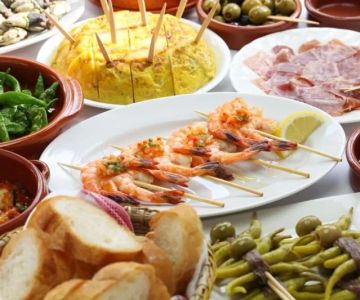
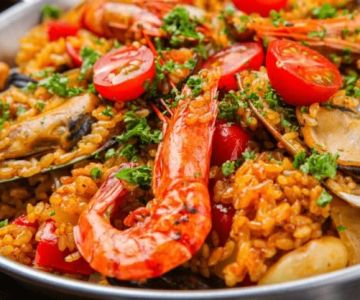

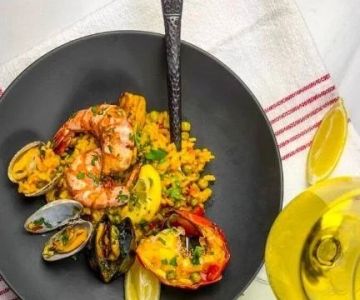
 Sangria Y Tapas4.0 (959 reviews)
 Barcelona Wine Bar4.0 (2362 reviews)
 Addictive Wine and Tapas4.0 (432 reviews)
 Caridad & Louie's Restaurant4.0 (2924 reviews)
 Las Palmas Deli4.0 (225 reviews)
 EZ Paella & Tapas4.0 (2818 reviews)
 Spanish Mediterranean Recipes for Healthy Dinners
 Authentic Spanish Shrimp and Garlic Sauce Recipe for Home Cooking
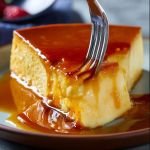 Easy Spanish Flan with Condensed Milk: A Delicious Recipe
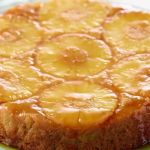 How to Make Spanish Tarta de Piña: Pineapple Cake Recipe
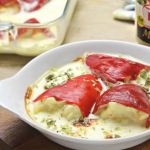 How to Make Spanish Piquillos Rellenos de Queso: Cheese Stuffed Peppers
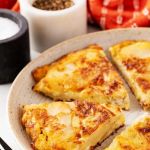 Authentic Spanish Tortilla Española Recipe with Yukon Gold Potatoes – Simple and Flavorful