
- -history-and-origins-of-zarzuela-de-mariscos
- -essential-ingredients-for-authentic-spanish-seafood-stew
- -step-by-step-cooking-method-for-seafood-stew-recipe-spain
- -flavor-building-techniques-and-cooking-secrets
- -serving-style-and-traditional-spanish-pairings
- -common-cooking-mistakes-and-how-to-avoid-them
- -regional-variations-of-catalan-seafood-stew
- -real-restaurant-style-experience-and-home-cooking-story
- -why-quality-seafood-and-specialty-shops-matter
The Coastal Origins Behind Zarzuela de Mariscos and Its Cultural Identity
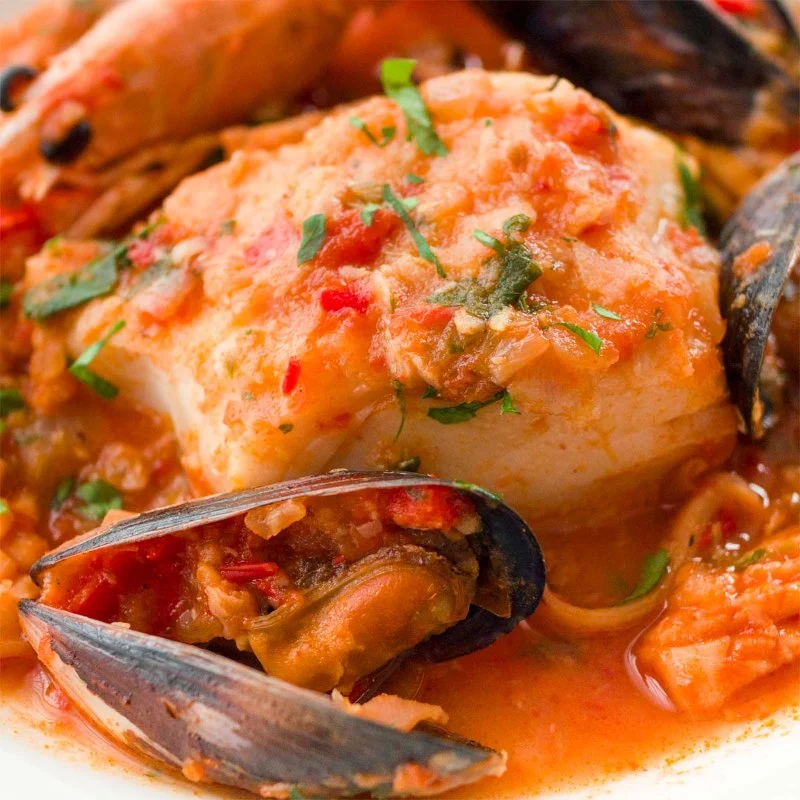
The Authentic Spanish Seafood Stew (Zarzuela de Mariscos) Recipe is deeply rooted in the coastal traditions of Catalonia, where fishermen and seaside families transformed the daily catch into rich, soulful meals. Unlike many simplified seafood soups found elsewhere in the Mediterranean, this dish carries a layered culinary identity shaped by necessity, creativity, and celebration.
In coastal towns like Barcelona and Tarragona, zarzuela was historically prepared after long fishing days, when families gathered whatever seafood was available—shrimp, mussels, clams, squid, and firm white fish—and simmered them in a fragrant broth enriched with tomatoes, garlic, and saffron. The dish was not originally a luxury meal; it was a practical, communal way to ensure nothing from the sea went to waste.
Over time, however, the seafood stew evolved from humble origins into a celebrated centerpiece of Spanish coastal cuisine. Today, it is often served in upscale restaurants and festive gatherings, symbolizing abundance and Mediterranean warmth. The transformation of zarzuela mirrors Spain’s broader culinary journey—where rustic traditions meet refined gastronomy without losing authenticity.
Building the Foundation with Authentic Ingredients
A truly authentic zarzuela de mariscos depends heavily on ingredient quality. Unlike heavily spiced stews that rely on strong seasoning blends, this dish emphasizes the natural sweetness and briny depth of seafood.
Freshness is non-negotiable. The base usually begins with olive oil, onions, garlic, and ripe tomatoes slowly cooked into a sofrito—a foundational element in Spanish cooking. This aromatic base is what gives the stew its signature depth.
Seafood selection plays the most important role. A traditional combination often includes clams for saltiness, mussels for richness, shrimp for sweetness, and firm fish such as monkfish or hake for structure. Each element contributes a different texture and flavor layer, creating balance in every spoonful.
Saffron is another essential ingredient. Even in small quantities, it adds a subtle floral aroma and golden hue that defines many Mediterranean seafood dishes. Smoked paprika is sometimes included to enhance warmth and complexity, though it should never overpower the seafood itself.
Some home cooks underestimate the importance of fish stock. A properly made stock using shells and fish bones can elevate the entire dish, giving it depth that water or store-bought broth simply cannot match.
For those seeking authentic ingredients or professional-grade Spanish cooking supplies, exploring curated selections from Rubi Spanish Table can provide access to specialty products that make a noticeable difference in flavor and authenticity.

Step-by-Step Cooking Method for a Traditional Spanish Seafood Stew
Cooking a zarzuela de mariscos is less about complexity and more about timing and respect for ingredients. Each stage builds flavor gradually, and rushing the process often leads to overcooked seafood or flat broth.
The first stage begins with preparing the sofrito. Olive oil is gently heated, followed by onions and garlic cooked until translucent. Tomatoes are added and slowly reduced until they form a thick, fragrant base. This step alone can take up to 30 minutes, but it is essential for developing depth.
Once the base is ready, white wine is introduced. This step deglazes the pan and introduces acidity, which balances the richness of the seafood. The alcohol is allowed to cook off, leaving behind subtle fruity undertones.
Fish stock is then added gradually. At this stage, saffron threads are infused, releasing their color and aroma into the broth. The mixture is simmered gently rather than boiled aggressively, preserving clarity and balance.
Firm fish is typically added first, as it requires slightly longer cooking time. After a few minutes, shellfish such as clams and mussels are introduced. They open gradually, releasing natural briny juices that enhance the broth.
Finally, shrimp or prawns are added, as they cook quickly and should remain tender rather than rubbery. The stew is removed from heat as soon as all shellfish have opened and shrimp turn opaque.
Flavor Building Techniques and Professional Cooking Secrets
One of the most overlooked aspects of an Authentic Spanish Seafood Stew (Zarzuela de Mariscos) Recipe is the layering of flavors at precise intervals. Spanish chefs often emphasize patience as the true secret ingredient.
A key technique involves building umami early through slow caramelization of vegetables. The longer onions and tomatoes cook without burning, the richer the final broth becomes. This is where many home cooks rush and lose depth.
Another professional trick is using seafood shells during stock preparation. Shrimp shells, fish bones, and even clam juice can be simmered separately to create a concentrated base that enhances natural sweetness.
Saffron infusion timing also matters. Adding saffron too early can dull its aroma, while adding it too late prevents full integration. The ideal moment is after the stock has been introduced but before seafood is added.
Texture control is equally important. Overcooking seafood is one of the most common mistakes, and experienced cooks often stagger ingredient timing carefully to ensure each element reaches perfect doneness.
A lesser-known regional technique includes adding a small amount of toasted bread blended into the broth. This thickens the stew slightly and gives it a rustic body reminiscent of traditional Catalan kitchens.
Serving Style and Traditional Spanish Pairing Culture
Zarzuela de mariscos is traditionally served in wide shallow bowls, allowing the seafood to remain visible and the aroma to fully express itself. The presentation is simple but intentional, emphasizing natural color contrasts between red broth, golden saffron tones, and bright shellfish.
Crusty bread is almost always served alongside the stew. It is not merely a side item but an essential part of the dining experience, used to soak up the deeply flavored broth.
In many coastal Spanish households, meals featuring seafood stew are accompanied by light white wines such as Albariño or Verdejo. These wines complement the dish’s natural salinity and acidity without overwhelming it.
For non-alcoholic pairings, sparkling mineral water with citrus is often used to cleanse the palate between bites, enhancing the perception of freshness.
In more modern interpretations found in urban restaurants, chefs sometimes serve zarzuela with saffron aioli or roasted vegetables, bridging traditional and contemporary dining expectations.
Common Mistakes When Preparing Seafood Stew and How to Avoid Them
Even experienced home cooks sometimes struggle with seafood stew due to timing sensitivity. One of the most frequent errors is overcooking shellfish, which can turn rubbery and diminish the overall texture harmony.
Another mistake is using low-quality stock or replacing it entirely with water. This significantly reduces depth and results in a thin, underwhelming broth.
Some cooks also add too many competing spices, which masks the natural flavor of seafood. Zarzuela relies on balance rather than intensity, and restraint is essential.
Improper heat control is another issue. Boiling the stew aggressively can cause fish to break apart and shellfish to become tough. Gentle simmering is always preferred.
Finally, using frozen seafood without proper thawing and drying can release excess water into the stew, diluting flavor. Fresh seafood remains the ideal choice whenever possible.
Regional Variations Across Spanish Coastal Cuisine
While the Catalan version is the most well-known, variations of zarzuela de mariscos exist throughout Spain’s coastal regions. Each area adapts the dish based on available seafood and local culinary preferences.
In Valencia, for example, seafood stews often incorporate rice, creating a hybrid between zarzuela and paella. This variation emphasizes grain absorption of seafood broth, resulting in a richer, denser dish.
In Galicia, the focus shifts toward octopus and shellfish, with a slightly earthier flavor profile influenced by Atlantic waters. The broth tends to be more rustic and less saffron-forward.
Andalusian versions often include a touch of sherry, adding sweetness and complexity that reflects southern Spanish culinary traditions.
These regional differences demonstrate how adaptable the seafood stew recipe Spain tradition truly is, while still preserving its coastal identity.
A Restaurant-Style Experience and a Home Kitchen Story
In Barcelona, there is a well-known tradition of Sunday seafood meals where families gather at seaside restaurants to share large platters of zarzuela. One chef once described how regular guests would arrive with their own expectations—some preferring more saffron intensity, others requesting extra shellfish variety.
A memorable example often shared in culinary circles involves a small family-run restaurant near the port that refused to modernize its recipe. While competitors experimented with foam textures and molecular gastronomy, this kitchen maintained its slow-cooked approach. Over time, it gained a loyal following simply because the dish tasted “like the sea itself.”
At home, many cooks attempt to recreate this experience for special occasions. One common story involves a family preparing zarzuela for a holiday gathering, spending hours sourcing fresh seafood from local markets. The preparation becomes part of the celebration itself, not just the meal.
This emotional connection is what keeps the dish alive across generations. It is not just food—it is memory, geography, and shared time around the table.
Why Ingredient Quality and Specialty Shops Elevate the Dish
The success of an Authentic Spanish Seafood Stew (Zarzuela de Mariscos) Recipe is directly tied to ingredient sourcing. Even the most skilled technique cannot compensate for low-quality seafood or dull spices.
Fresh fish markets remain the ideal source, especially those that specialize in local or sustainably sourced catch. The difference between freshly caught shellfish and frozen alternatives is particularly noticeable in texture and broth clarity.
Specialty Spanish food retailers also play an important role. Ingredients like authentic saffron, smoked paprika, and traditional olive oils are not interchangeable with generic supermarket versions.
For home cooks looking to elevate their results, curated selections from Rubi Spanish Table can help bridge the gap between restaurant-quality cooking and home preparation. Access to proper ingredients often transforms the final dish more than any technique adjustment.
Ultimately, zarzuela de mariscos represents more than a recipe. It reflects coastal Spanish life, where simplicity meets depth, and where the sea continues to define the table.

 Circulo Español4.0 (319 reviews)
 Barcelona Wine Bar4.0 (1091 reviews)
 The Game Changer Jeep Club Restaurant and Bar4.0 (5 reviews)
 La Promesa Restaurant4.0 (122 reviews)
 Madre Tierra Deli4.0 (74 reviews)
 Barcelona Wine Bar4.0 (2955 reviews)
 The Best Spanish Restaurants in Columbus for Authentic Spanish Cuisine
 Easy Spanish Paella with Simple Pantry Ingredients
 Authentic Spanish Garlic Shrimp with White Wine: A Flavorful Classic Recipe
 Easy Spanish Seafood Paella with Frozen Seafood
 Authentic Spanish Tomato Sauce Recipe from Scratch
 Top 10 Spanish Tapas Recipes You Need to Try for a Delicious Feast