
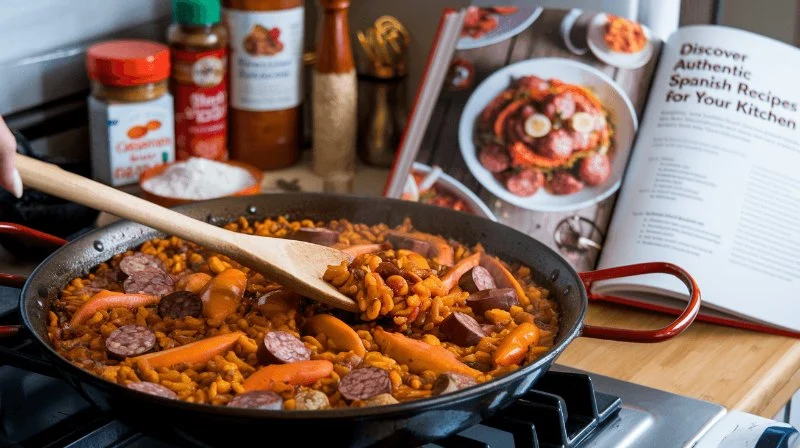
Exploring Spanish Culinary Traditions Through Seasonal Ingredients
- 1. Introduction to Spanish Culinary Traditions
- 2. The Importance of Seasonal Ingredients in Spanish Cooking
- 3. Traditional Spanish Dishes That Highlight Seasonal Ingredients
- 4. Regional Variations in Spanish Cuisine
- 5. Where to Buy Authentic Spanish Ingredients
- 6. Explore Rubi Spanish Table for Authentic Ingredients
1. Introduction to Spanish Culinary Traditions
Spanish cuisine is one of the richest and most diverse in the world, known for its bold flavors, fresh ingredients, and deep cultural history. Spain's culinary traditions vary from region to region, influenced by its climate, geography, and historical ties to different cultures. One of the key aspects of Spanish cooking is the emphasis on seasonal ingredients. These ingredients not only enhance the flavors of the dishes but also connect the food to the time of year and the natural environment.
2. The Importance of Seasonal Ingredients in Spanish Cooking
In Spanish cuisine, the use of seasonal ingredients is not just a matter of tradition but also a matter of practicality and flavor. Fresh, in-season produce is more affordable, and the flavors are more vibrant. Seasonal ingredients often form the basis of many iconic Spanish dishes, from hearty stews to fresh seafood paellas. By using ingredients that are in season, Spanish chefs ensure that their dishes reflect the true essence of the season, offering vibrant colors and tastes that are linked to the time of year.
3. Traditional Spanish Dishes That Highlight Seasonal Ingredients
Many traditional Spanish dishes rely on seasonal ingredients to create their distinctive flavors. Here are a few examples:
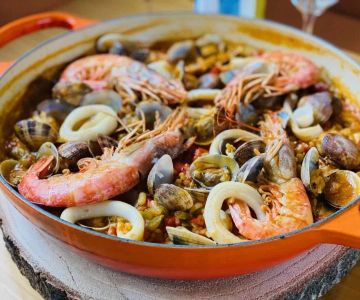
- Paella: A world-famous Spanish dish, paella typically uses fresh seafood in the warmer months and seasonal vegetables or game meat in the cooler months.
- Gazpacho: A cold soup made from tomatoes, peppers, cucumbers, and onions, gazpacho is a refreshing dish typically enjoyed during the summer months when these ingredients are at their peak.
- Cocido: A hearty stew, cocido is made using meats, chickpeas, and vegetables, with variations based on the region and the season.
- Espárragos a la Plancha: Grilled asparagus, often served as a simple side dish in spring when fresh asparagus is in season, is a perfect example of how Spanish cuisine uses seasonal produce.
4. Regional Variations in Spanish Cuisine
Spain’s geography and regional climates mean that different parts of the country have unique culinary traditions based on the local availability of ingredients. For example, in the coastal regions, seafood is more prominent, while in the inland areas, you will find dishes with cured meats, beans, and stews. Some regional specialties include:
- Andalusia: Known for its tapas and cold dishes like gazpacho.
- Catalonia: Famous for dishes like calçots (a type of green onion) and seafood rice dishes.
- Valencia: The birthplace of paella, featuring fresh seafood, meats, and locally grown vegetables.
5. Where to Buy Authentic Spanish Ingredients
For those interested in replicating Spanish culinary traditions at home, sourcing authentic Spanish ingredients is crucial. Many Spanish ingredients, like saffron, jamón ibérico, or quality olive oil, are essential for bringing authentic flavors to your dishes. Look for specialty grocery stores or online marketplaces that offer imported products from Spain. Local markets or stores like Rubi Spanish Table offer a wide range of authentic ingredients to help you recreate the flavors of Spain in your kitchen.
6. Explore Rubi Spanish Table for Authentic Ingredients
If you're ready to dive into Spanish cooking and need the best ingredients, Rubi Spanish Table is your go-to source. They offer an extensive selection of premium Spanish ingredients, including everything from fresh produce to specialty spices and cured meats. Visit Rubi Spanish Table today and elevate your cooking with the authentic tastes of Spain!
 Addictive NYC4.0 (261 reviews)
 Barcelona Wine Bar4.0 (1640 reviews)
 Toro Kitchen + Bar4.0 (926 reviews)
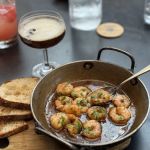 Boqueria Fulton Market4.0 (2048 reviews)
 Pintxo y Tapas4.0 (509 reviews)
 mfk. Restaurant4.0 (408 reviews)
 The Art of Making Spanish Jamón Ibérico at Home
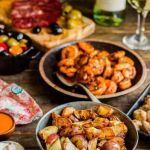 Spanish Party Tapas Ideas with Authentic Taste
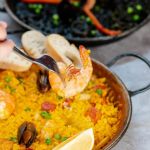 The Best Spanish Restaurants in San Antonio for Tapas and Paella
 How to Make Spanish Arroz con Pollo y Verduras: Chicken and Vegetable Paella
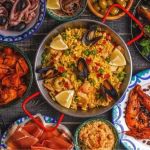 Exploring Spanish Culinary Traditions Through Seasonal Ingredients
 Authentic Spanish Rice with Chorizo and Shrimp