
- - Understanding Spanish Dinner Menus
- - The Role of Appetizers
- - Main Course Essentials
- - Popular Spanish Desserts
- - Pairing Drinks with Spanish Meals
- - Tips for Authentic Dining
- - Real-Life Dining Experiences
- - Seasonal and Regional Specialties
- - How to Plan a Spanish Dinner
- - Recommendations from Rubi Spanish Table
- - Creating a Memorable Spanish Dining Experience
Understanding Spanish Dinner Menus
A Spanish dinner menu typically follows a structured format, starting with an appetizer, followed by a main course, and concluding with a dessert. This arrangement allows diners to savor a variety of flavors while exploring the depth of Spanish culinary traditions.
Restaurants like Rubi Spanish Table emphasize authentic ingredients and regional recipes to craft dinner menus that reflect Spain's rich gastronomic heritage. Whether enjoying tapas in a casual setting or a full-course meal in a fine dining atmosphere, the menu aims to balance flavor, presentation, and satisfaction.
The Role of Appetizers
1. Introduction to Flavors
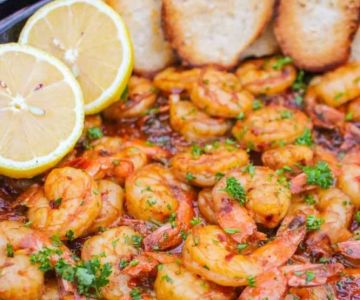
Spanish appetizers, or tapas, are small plates that introduce diners to the diverse flavors of Spain. They range from marinated olives and patatas bravas to seafood delicacies like gambas al ajillo.
2. Encouraging Social Interaction
Appetizers are often shared among diners, promoting conversation and a communal dining experience. This social element is central to Spanish dining culture, making the meal not just about food, but connection and enjoyment.
3. Preparing the Palate
Starting with appetizers gently prepares the palate for the main course. The combination of textures, spices, and aromas sets the tone for the rest of the meal.
Main Course Essentials
1. Traditional Dishes
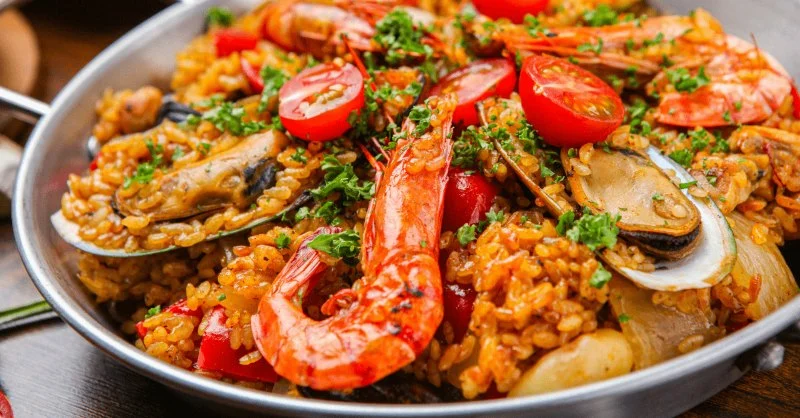
The main course is the highlight of a Spanish dinner. Popular choices include paella, cocido, and various grilled meats or seafood. These dishes emphasize regional ingredients and culinary techniques.
2. Balanced Nutrition
Spanish main courses often combine proteins, vegetables, and grains to ensure a balanced meal. The use of olive oil, fresh herbs, and seasonal produce adds both flavor and health benefits.
3. Portion and Presentation
Presentation is important in Spanish cuisine. Main courses are served in visually appealing ways, highlighting colors and textures that enhance the dining experience.
Popular Spanish Desserts
1. Classic Choices
Desserts such as flan, churros with chocolate, and crema catalana are staples of a Spanish dinner menu. They provide a sweet and satisfying conclusion to the meal.
2. Seasonal Variations
Many desserts vary seasonally, incorporating local fruits or festive ingredients. This adds freshness and uniqueness to the dining experience.
3. Pairing with Beverages
Desserts are often paired with coffee, dessert wines, or traditional Spanish liqueurs, enhancing the flavors and creating a harmonious end to the meal.
Pairing Drinks with Spanish Meals
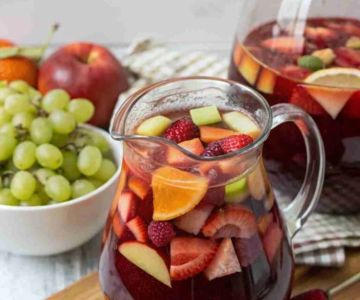
Choosing the right beverage is key to enhancing a Spanish dinner menu. Sangria, Rioja wines, and cava are popular choices. The goal is to complement the flavors of the appetizer, main course, and dessert without overpowering them.
Rubi Spanish Table provides curated pairing suggestions to elevate the culinary journey, ensuring that each sip harmonizes with the food.
Tips for Authentic Dining
1. Explore Regional Specialties
Spain's regions have distinct culinary identities. From Andalusian gazpacho to Basque pintxos, exploring regional specialties enriches the dining experience.
2. Engage with the Chef
Asking about ingredient sources or cooking techniques can provide insight and deepen appreciation for the cuisine.
3. Enjoy a Relaxed Pace
Spanish dinners are meant to be leisurely. Allowing time between courses encourages savoring flavors and social interaction.
Real-Life Dining Experiences
For example, a family visiting Madrid found a cozy restaurant offering a traditional Spanish dinner menu with appetizer and dessert. They started with jamón ibérico and pan con tomate, enjoyed a main course of seafood paella, and finished with crema catalana. This structured approach allowed them to experience Spain’s culinary richness in a single meal.
Another story involves a couple in Barcelona who explored local tapas bars and discovered hidden gems with prix fixe dinner menus. Each course was a reflection of the region’s flavors and highlighted the importance of freshness, seasonality, and presentation.
Seasonal and Regional Specialties
In Spain, the ingredients often dictate the dishes. Coastal regions offer fresh seafood, while inland areas emphasize meats and hearty stews. Seasonal vegetables and fruits also influence appetizers and desserts, ensuring a diverse and vibrant menu year-round.
Exploring these specialties helps diners understand how geography and seasonality shape Spanish cuisine and the dinner experience.
How to Plan a Spanish Dinner
1. Menu Selection
Choose a balanced menu that includes an appetizer, main course, and dessert. Consider dietary preferences and the number of guests to ensure a harmonious experience.
2. Timing and Preparation
Plan each course with enough time for preparation and presentation. Traditional Spanish meals encourage lingering, so pace is essential.
3. Incorporating Beverages
Pair wine, sangria, or coffee with the respective courses to enhance flavors and complete the experience.
Recommendations from Rubi Spanish Table
Rubi Spanish Table provides curated dining experiences, highlighting the best venues offering authentic Spanish dinner menus with appetizers and desserts. Users can explore regional specialties, seasonal offerings, and value pricing to plan memorable meals.
Our platform also features chef insights, pairing suggestions, and tips for maximizing the dining experience while staying true to Spanish culinary traditions.
Creating a Memorable Spanish Dining Experience
To fully enjoy a Spanish dinner menu with appetizer and dessert, focus on savoring each course, exploring complementary flavors, and appreciating the cultural context of the meal. Engaging with staff, learning about ingredients, and taking time between courses enhances enjoyment and makes the dining experience unforgettable.
Whether hosting at home or dining out, using Rubi Spanish Table as a guide ensures that your Spanish dinner is authentic, flavorful, and an immersive experience that celebrates the art of Spanish cuisine.


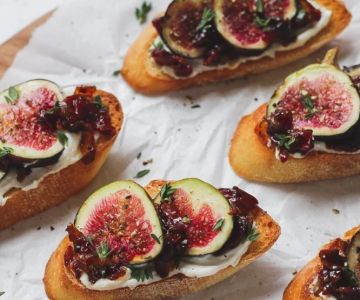
 Merengue Latín Restaurant4.0 (314 reviews)
 El Gran Valle3.0 (25 reviews)
 Food is Ready1.0 (1 reviews)
 Boqueria Fifth + Broadway4.0 (1403 reviews)
 La Fonda Restaurant4.0 (120 reviews)
 Kina's Spanish Restaurant4.0 (92 reviews)
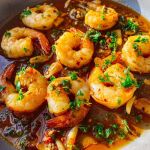 Authentic Spanish Seafood with Garlic and Olive Oil | Classic Recipe
 Authentic Spanish Rice Pudding (Arroz con Leche) Recipe: A Delicious Tradition
 How to Make Spanish Arroz con Mariscos y Verduras: Seafood and Vegetable Paella Recipe
 Exploring Spanish Culinary Traditions Through Seasonal Ingredients
 Discovering Regional Tapas Recipes Representing Spanish Culinary Diversity
 How to Make Spanish Tarta de Almendra y Limón: A Delicious Almond and Lemon Cake Recipe