
- Understanding-Spanish-Grilled-Octopus-and-its-Cultural-Significance
- Choosing-the-Right-Octopus-for-Grilling
- Preparation-Techniques-for-Tender-and-Flavorful-Octopus
- Grilling-Methods-and-Temperature-Tips
- Seasoning-with-Lemon-and-Sea-Salt-for-Authenticity
- Serving-Ideas-and-Pairings-for-Perfect-Spanish-Style-Dining
- Common-Mistakes-to-Avoid-When-Cooking-Octopus
- Rubi-Spanish-Table-Recommended-Products-and-Resources
Understanding Spanish Grilled Octopus and Its Cultural Significance
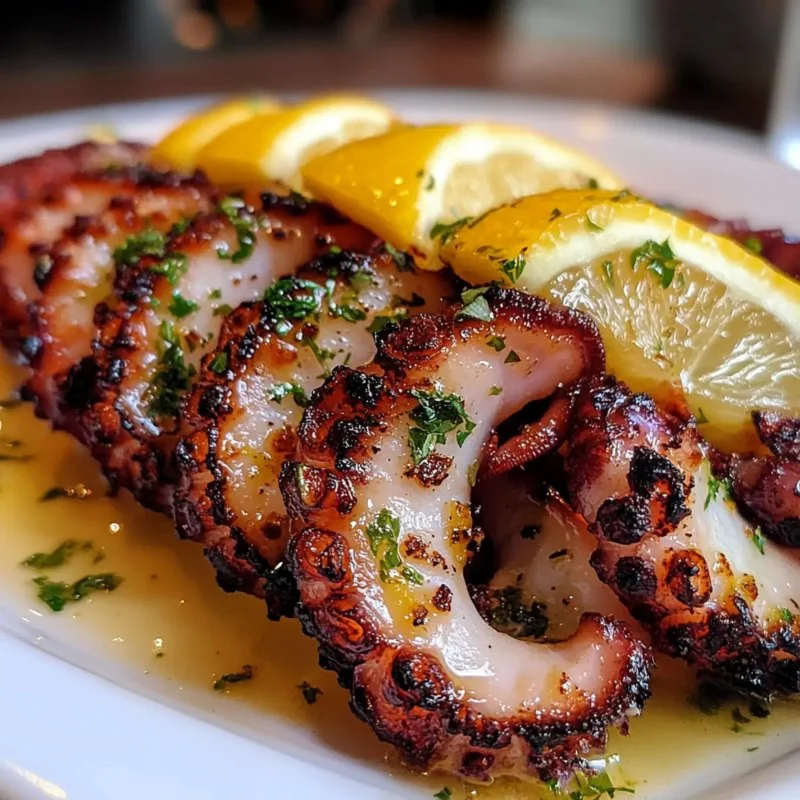
Spanish grilled octopus, or "pulpo a la parrilla," holds a revered place in Mediterranean cuisine. This dish is not just a seafood entrée; it is a culinary tradition that reflects centuries of coastal Spanish culture, where octopus was both a staple and a celebratory dish. Coastal festivals in Galicia, a region famous for octopus preparation, highlight how families and chefs alike honor the tender, smoky flavors achieved through careful grilling techniques.
In restaurants like Rubi Spanish Table, the grilled octopus is often served as a tapa, emphasizing simplicity and flavor. The combination of fresh octopus, high-quality sea salt, and zesty lemon captures the essence of Spanish culinary philosophy: quality ingredients treated with respect.
Choosing the Right Octopus for Grilling
Selecting the right octopus is crucial for achieving the perfect texture. Freshness is key; the flesh should be firm and moist, with a subtle ocean aroma but no strong fishy odor. Many chefs prefer smaller octopuses because they cook evenly and retain tenderness.
Frozen octopus is a practical alternative, as freezing naturally tenderizes the meat. When thawing, do so slowly in the refrigerator to maintain texture and prevent waterlogging. Local seafood markets often provide high-quality options that ensure an authentic experience.
Preparation Techniques for Tender and Flavorful Octopus
Tenderizing octopus is an art that balances patience and technique. Traditional Spanish methods include:
- Simmering the octopus briefly before grilling to break down connective tissue.
- Using a wine cork or gentle pounding to mechanically soften the flesh.
- Marinating in olive oil, garlic, and paprika to infuse flavor before cooking.
A well-prepared octopus should have a slight chewiness while remaining tender enough to cut easily with a fork. Skipping tenderization steps often results in a rubbery texture, which can undermine the delicate flavors.
Grilling Methods and Temperature Tips
Grilling imparts a smoky, charred flavor that complements the octopus’ natural sweetness. Ideal grilling techniques include:
- Preheating the grill to medium-high heat for even searing.
- Brushing the octopus with olive oil to prevent sticking and enhance flavor.
- Turning the tentacles frequently to achieve uniform grill marks.
- Monitoring internal temperature to prevent overcooking, typically around 135–145°F.
For authentic results, Spanish chefs often grill over wood or charcoal, which adds depth and aroma to the dish. Home cooks can replicate this with a stovetop grill pan or outdoor barbecue.
Seasoning with Lemon and Sea Salt for Authenticity
Seasoning is deceptively simple but critical. A generous sprinkle of coarse sea salt highlights the octopus’ natural flavors, while fresh lemon juice adds brightness and balances the dish. Some variations include smoked paprika or a drizzle of high-quality olive oil to enhance complexity.
Timing is key: seasoning should be applied immediately after grilling while the octopus is hot, allowing the flavors to penetrate without overwhelming the delicate texture.
Serving Ideas and Pairings for Perfect Spanish-Style Dining
Grilled octopus can be served on its own or accompanied by simple Mediterranean sides. Popular pairings include:
- Roasted vegetables such as bell peppers and zucchini
- Lightly dressed mixed greens or arugula
- Spanish-style potatoes, like "patatas bravas" or "cachelos"
- A crisp white wine, such as Albariño, for perfect flavor balance
Presentation matters: arranging tentacles in a gentle spiral on the plate and adding lemon wedges elevates the dining experience, reflecting the care taken in Spanish culinary traditions.
Common Mistakes to Avoid When Cooking Octopus
Even seasoned cooks can make mistakes when preparing octopus. Common pitfalls include:
- Skipping tenderization steps, resulting in tough meat
- Overcooking, which dries out the delicate flesh
- Excessive seasoning that masks natural flavors
- Grilling at too high a temperature, causing uneven charring
Avoiding these errors ensures a dish that showcases the octopus’ unique texture and flavor, delivering an experience comparable to top Spanish restaurants.
Rubi Spanish Table Recommended Products and Resources
For those looking to explore Spanish seafood at home, Rubi Spanish Table offers premium octopus options, quality sea salt, and curated Mediterranean ingredients to recreate authentic recipes. Their guides and product recommendations help home cooks master traditional dishes while maintaining the integrity of flavors.
Whether you are hosting a Spanish-themed dinner or simply experimenting with new recipes, following these techniques ensures your grilled octopus will impress both visually and in taste, bringing a piece of Spanish coastal tradition to your table.

 Merengue Latín Restaurant4.0 (314 reviews)
 El Gran Valle3.0 (25 reviews)
 Food is Ready1.0 (1 reviews)
 Boqueria Fifth + Broadway4.0 (1403 reviews)
 La Fonda Restaurant4.0 (120 reviews)
 Kina's Spanish Restaurant4.0 (92 reviews)
 Authentic Spanish Seafood with Garlic and Olive Oil | Classic Recipe
 Authentic Spanish Rice Pudding (Arroz con Leche) Recipe: A Delicious Tradition
 How to Make Spanish Arroz con Mariscos y Verduras: Seafood and Vegetable Paella Recipe
 Exploring Spanish Culinary Traditions Through Seasonal Ingredients
 Discovering Regional Tapas Recipes Representing Spanish Culinary Diversity
 How to Make Spanish Tarta de Almendra y Limón: A Delicious Almond and Lemon Cake Recipe