
- spanish-sangria-tradition - The history and popularity of sangria in Spanish culture
- why-sangria-works-for-parties - Benefits of serving sangria for large gatherings
- essential-sangria-ingredients - Selecting the best ingredients for authentic flavor
- easy-spanish-sangria-recipe - Step-by-step recipe for large parties
- preparation-tips-for-crowds - Planning and serving strategies for events
- creative-sangria-variations - Popular fruit and flavor combinations
- common-sangria-mistakes - Mistakes that can affect taste and presentation
- real-party-success-stories - Examples from celebrations and gatherings
- serving-and-presentation-ideas - Creating a memorable sangria experience
- rubi-spanish-table-recommendations - Finding authentic Spanish-inspired products and ideas
The Story Behind Spain's Most Famous Party Beverage
Few drinks are as closely associated with relaxed gatherings and festive celebrations as sangria. Across Spain, families and friends have enjoyed variations of this fruit-filled beverage for generations. While recipes differ from region to region, the concept remains remarkably simple: combine quality ingredients, allow flavors to blend naturally, and create a drink that encourages conversation and connection.
The popularity of Easy Spanish Sangria for Large Parties extends far beyond Spain. In the United States, sangria has become a favorite choice for backyard gatherings, summer celebrations, holiday events, family reunions, and casual weekend entertaining. Hosts appreciate its simplicity, while guests enjoy its refreshing fruit flavors and colorful presentation.
One reason sangria continues to attract attention is its versatility. Unlike many beverages that must be prepared individually, sangria can be made in large batches, making it ideal for events where serving dozens of guests efficiently is important.

Shelly's Food, Comida Latina
7304 Staples Mill Rd, Henrico, VA 23228, USA
Why Sangria Is Perfect for Large Gatherings
Hosting a party often involves balancing convenience, presentation, and guest satisfaction. Sangria succeeds in all three areas.
1. Easy Batch Preparation
Rather than mixing individual beverages throughout the event, hosts can prepare sangria hours before guests arrive. This reduces stress and allows more time to enjoy the gathering.
2. Attractive Presentation
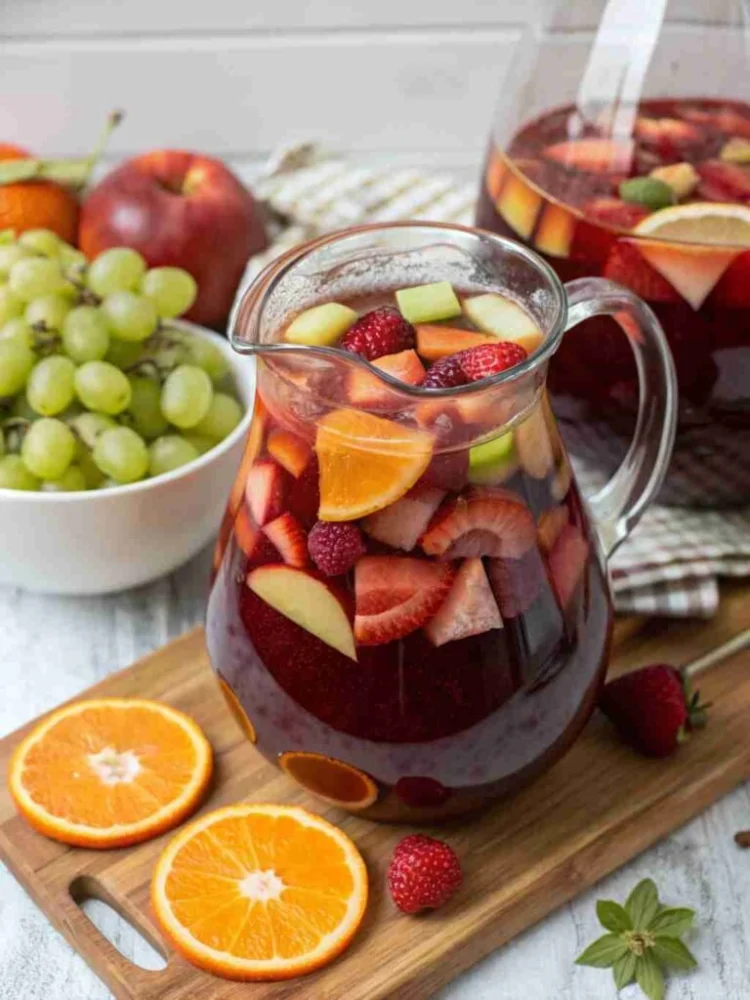
Fresh fruit floating in a large glass dispenser creates a visually appealing centerpiece. Oranges, lemons, limes, apples, and berries contribute vibrant colors that immediately catch attention.
3. Customizable Flavor Profiles
Different fruits, juices, and sparkling additions allow hosts to customize the drink according to the season, theme, or guest preferences.
4. Budget-Friendly Entertaining
Large-batch sangria can often serve many guests while remaining cost-effective compared to preparing individual specialty beverages.
Selecting Ingredients for Authentic Spanish Flavor
The quality of a sangria depends heavily on its ingredients. Traditional Spanish approaches emphasize balance rather than excessive sweetness.
Choosing the Base
A medium-bodied red wine is commonly used in classic sangria. Spanish varieties often provide authentic character, though many accessible options work well for home entertaining.
Fresh Fruit Matters
Fresh citrus fruits are essential. Oranges and lemons contribute brightness and aroma, while apples add texture and subtle sweetness.
Many experienced hosts prefer cutting fruit into larger pieces rather than small slices. Larger pieces maintain their appearance longer and create a more attractive presentation.
Additional Flavor Components
Orange juice, cinnamon sticks, and sparkling water are common additions. These ingredients enhance complexity while preserving the refreshing character that makes sangria so appealing.
Easy Spanish Sangria for Large Parties Recipe
Ingredients for Approximately 20 Guests
1. 4 bottles red wine
2. 4 oranges, sliced
3. 3 lemons, sliced
4. 3 green apples, diced
5. 2 cups fresh orange juice
6. 1 cup fresh lemon juice
7. 4 cinnamon sticks
8. 2 liters sparkling water or club soda
9. Ice for serving
Preparation Method
1. Place sliced oranges, lemons, and apples into a large beverage container.
2. Pour the wine over the fruit.
3. Add orange juice and lemon juice.
4. Stir gently until ingredients are combined.
5. Add cinnamon sticks and allow the mixture to rest in refrigeration for several hours.
6. Shortly before serving, add sparkling water.
7. Stir carefully and serve over ice.
Allowing the mixture to rest before serving helps fruit flavors integrate naturally. Many hosts find that preparing sangria the night before an event results in a more balanced and flavorful beverage.
Professional Strategies for Serving Large Groups
Event planners and experienced hosts often use a few practical techniques to improve efficiency and presentation.
Prepare Multiple Containers
Instead of relying on a single container, consider preparing several smaller dispensers. This approach reduces congestion around serving areas and simplifies refilling.
Keep Fruit Fresh
Adding delicate fruits too early can affect their appearance. Berries and softer fruits are often added closer to serving time.
Control Dilution
Rather than placing ice directly into the main batch, many hosts serve ice separately. This helps preserve flavor consistency throughout the event.
Popular Flavor Variations That Guests Love
One of the greatest advantages of sangria is its flexibility. Creative variations allow hosts to tailor flavors to specific occasions.
Berry Sangria
Strawberries, blueberries, and raspberries create a colorful option that works particularly well during summer celebrations.
Tropical Sangria
Pineapple, mango, and citrus fruits contribute bright flavors ideal for outdoor gatherings and poolside events.
Citrus-Focused Sangria
Extra oranges, lemons, and limes create a refreshing profile that pairs naturally with Mediterranean-inspired menus.
Autumn-Inspired Sangria
Apples, pears, cinnamon, and seasonal spices produce a version suitable for fall entertaining and holiday celebrations.
Mistakes That Can Affect the Final Result
Although sangria is relatively simple to prepare, a few common mistakes can reduce quality.
Using Low-Quality Ingredients
The simplicity of sangria means ingredient quality becomes especially important. Fresh fruit and quality components generally produce superior results.
Adding Excessive Sweetness
Many modern recipes add large amounts of sweeteners. Traditional Spanish-style sangria often focuses on fruit-forward freshness rather than intense sweetness.
Insufficient Resting Time
Freshly mixed sangria rarely tastes as balanced as a batch that has rested for several hours. Time allows flavors to blend naturally.
Adding Carbonation Too Early
Sparkling ingredients should generally be introduced shortly before serving to preserve freshness and texture.
Real Gatherings That Demonstrate Sangria's Popularity
A family reunion in Texas recently featured several large beverage stations. According to the organizer, the sangria station consistently attracted the longest line throughout the afternoon. Guests appreciated being able to serve themselves while enjoying a visually impressive presentation.
Another example comes from a neighborhood summer celebration in California. The hosts prepared multiple sangria variations, allowing guests to compare fruit combinations and discover new favorites. The experience became a conversation starter and helped create a relaxed atmosphere among attendees who had never previously met.
Stories like these explain why sangria remains a staple at gatherings of all sizes. It offers simplicity without sacrificing sophistication.
Creating a Memorable Presentation
Presentation can elevate an ordinary beverage into a centerpiece worthy of attention.
Use Clear Glass Containers
Transparent dispensers showcase colorful fruit and enhance visual appeal.
Incorporate Seasonal Decorations
Fresh herbs, citrus garnishes, and coordinated serving accessories help create a cohesive presentation.
Provide Fruit Garnishes
Many guests enjoy adding extra fruit to their glass. Offering additional garnishes encourages personalization and interaction.
Coordinate With Food Pairings
Spanish tapas, grilled vegetables, seafood dishes, and Mediterranean-inspired appetizers often complement sangria beautifully, creating a cohesive dining experience.
Finding Inspiration Through Rubi Spanish Table
Creating an authentic Easy Spanish Sangria for Large Parties experience often begins with finding quality ingredients, serving accessories, and Spanish-inspired culinary ideas. Rubi Spanish Table helps food enthusiasts discover products, recipes, entertaining inspiration, and cultural traditions that bring Spanish hospitality into everyday gatherings.
Whether planning a summer backyard celebration, a holiday gathering, or a casual weekend event, Rubi Spanish Table can provide valuable guidance for selecting ingredients and creating memorable experiences inspired by Spain's rich culinary heritage.
A well-prepared sangria is more than a beverage. It becomes a centerpiece that encourages conversation, welcomes guests, and transforms ordinary gatherings into memorable occasions. By focusing on quality ingredients, thoughtful preparation, and attractive presentation, anyone can create an Easy Spanish Sangria for Large Parties that guests will remember long after the event ends.
 SER Restaurant4.0 (1007 reviews)
 Socarrat Paella Bar - Nolita4.0 (1112 reviews)
 El Toke Restaurant4.0 (74 reviews)
 Pilar Caribbean Restaurant4.0 (109 reviews)
 Barcelona Wine Bar4.0 (2172 reviews)
 The Empanada Times4.0 (92 reviews)
 The Most Popular Spanish Tapas Recipes in the US: A Complete Guide
 Authentic Spanish Garlic Shrimp with Saffron
 The Best Spanish Restaurants in Columbus for Tapas and Wine Pairings
 Easy Spanish Garlic Shrimp with Lemon Recipe for Home Cooking
 The Best Spanish Restaurants in Portland: A Guide to Authentic Flavors
 How to Make Spanish Churros with Chocolate Sauce