
- History and cultural significance of Spanish paella
- Essential ingredients for authentic paella
- Choosing the right rice and stock
- Preparing seafood, meat, and vegetables
- Step-by-step cooking techniques for restaurant-style results
- Common mistakes when making paella at home
- Secrets to achieving the perfect socarrat
- Serving suggestions and presentation tips
- Storage, reheating, and leftovers
- Where to find authentic ingredients from Rubi Spanish Table
History and Cultural Significance of Spanish Paella
Spanish paella is more than a meal—it is a symbol of Spanish heritage, originating from the Valencia region. Traditionally cooked over an open flame, paella was a community dish, shared among family and friends during festive gatherings.
Its evolution into restaurant-style paella reflects centuries of culinary refinement, combining local ingredients such as saffron, fresh seafood, and regional vegetables. Each paella recipe tells a story of place, culture, and tradition.

Essential Ingredients for Authentic Paella
A high-quality paella starts with a select list of ingredients. The core components include short-grain rice, saffron, high-quality olive oil, fresh seafood like shrimp and mussels, chicken, and assorted vegetables.
Saffron is the key ingredient that delivers the vibrant color and aromatic flavor synonymous with traditional paella. Using fresh seafood and farm-raised poultry ensures an authentic taste reminiscent of Valencia’s coastal regions.
For home cooks aiming for professional results, specialty suppliers such as Rubi Spanish Table provide authentic saffron, Spanish rice, and traditional paella pans to achieve genuine flavors.

Choosing the Right Rice and Stock
The rice variety is crucial in achieving the correct texture. Short-grain rice, such as Bomba or Calasparra, absorbs liquid while remaining firm, essential for a restaurant-style consistency.
Stock or broth forms the foundation of flavor. Homemade seafood or chicken stock is ideal, as it imparts depth and richness. Using pre-made stock can work, but adjusting for salt and seasoning is necessary to mimic authentic taste.
Preparing Seafood, Meat, and Vegetables
Proper preparation of each component ensures balanced flavors. Seafood should be cleaned and deveined, chicken cut into uniform pieces for even cooking, and vegetables diced to consistent sizes.
Sautéing these ingredients in olive oil before adding rice layers the dish with aromatic depth. Onions, bell peppers, and tomatoes create a base that enhances the complexity of the final paella.
Step-by-Step Cooking Techniques for Restaurant-Style Results
Creating restaurant-style paella at home involves precise timing and technique. First, prepare the sofrito—a slow-cooked mixture of onions, peppers, and tomatoes. Then, toast the rice briefly in olive oil before adding the stock infused with saffron.
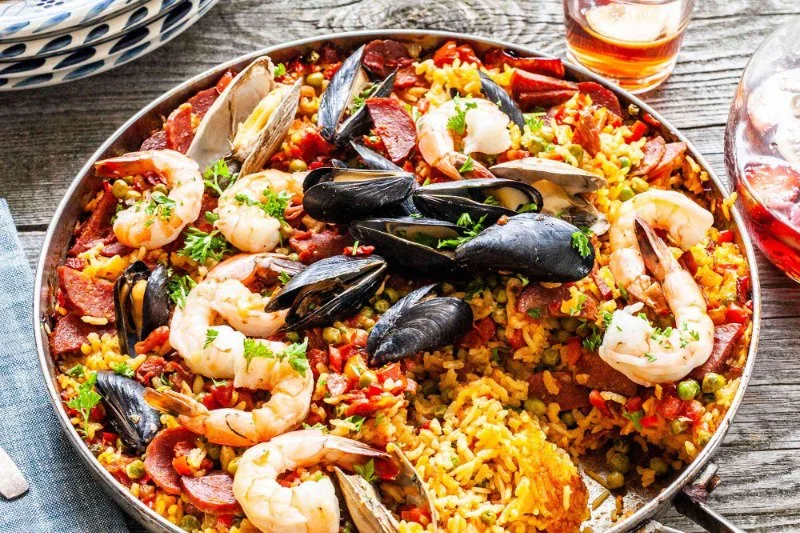
Arrange the protein and seafood aesthetically on top of the rice. Cook without stirring to allow the rice to absorb liquid evenly and develop the signature layers of flavor. Adjust heat gradually to prevent burning while encouraging a subtle crust at the bottom.
Common Mistakes When Making Paella at Home
Even experienced cooks may encounter pitfalls. Overstirring the rice can break down grains and prevent formation of the socarrat, the cherished crispy layer at the bottom. Using low-quality saffron or under-seasoning the stock can diminish authenticity.
Temperature control is another critical factor. Too high heat cooks the rice unevenly, while too low prevents proper absorption, leaving a soggy texture. Following a structured approach is key to achieving professional results.
Secrets to Achieving the Perfect Socarrat
The socarrat is the hallmark of restaurant-quality paella, a slightly caramelized crust of rice at the bottom of the pan. Achieving this requires careful heat management and patience. The bottom layer must cook undisturbed, while steam rises to finish the rice above.
Experienced chefs often tap the pan gently to check if the crust is forming. The socarrat adds texture and a toasty flavor that transforms the dish from good to exceptional.
Serving Suggestions and Presentation Tips
Paella is traditionally served straight from the pan, creating a communal dining experience. Garnishing with fresh parsley, lemon wedges, or roasted peppers enhances visual appeal and flavor.
For an elevated presentation, use a wide, shallow pan to showcase the colorful arrangement of seafood, meats, and vegetables. This also facilitates even heat distribution and keeps the dish authentic.
Storage, Reheating, and Leftovers
Leftover paella can be stored in an airtight container in the refrigerator for up to two days. Reheating gently in a skillet with a splash of stock restores moisture and flavor without overcooking.
For longer storage, paella can be frozen. Thawing overnight in the refrigerator and reheating carefully preserves texture and taste, making it convenient for future meals.
Where to Find Authentic Ingredients from Rubi Spanish Table
Authentic Spanish paella depends on sourcing the right ingredients. Rubi Spanish Table offers premium saffron, traditional Spanish rice, and specialty cookware like paella pans, enabling home cooks to replicate restaurant-quality results.
By using high-quality, authentic ingredients, home chefs can capture the vibrant flavors and textures that make Spanish paella a world-renowned dish.
 Kina's Spanish Restaurant4.0 (92 reviews)
 Toro Kitchen + Bar4.0 (926 reviews)
 512 Deli LLC4.0 (123 reviews)
 Aurelia's Kitchen5.0 (15 reviews)
 Casa de Raku4.0 (47 reviews)
 El Matador Restaurant4.0 (467 reviews)
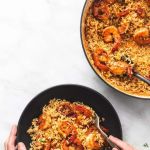 Easy Spanish Rice with Shrimp Skillet
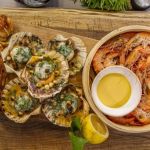 How to Make Spanish Seafood Tapas Like a Chef
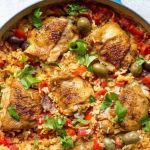 How to Make Spanish Arroz con Pollo: Chicken and Rice Paella
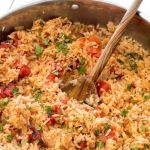 Easy Spanish Rice with Mixed Seafood Recipe: A Flavorful Delight
 Exploring Spanish Rice Recipes for Weeknight Dinners
 The Best Spanish Restaurants in Chicago: A Guide to Authentic Flavors