
- 1-Understanding-Spanish-Mediterranean-Cuisine
- 2-Classic-Spanish-Rice-Recipes
- 3-Flavor-Techniques-and-Ingredients
- 4-Step-by-Step-Recipe-Guides
- 5-Real-Life-Cooking-Experiences
- 6-Healthy-Variations-and-Tips
- 7-Professional-Advice-from-Rubi-Spanish-Table
1. Understanding Spanish Mediterranean Cuisine
Spanish Mediterranean cuisine is celebrated for its vibrant flavors, fresh ingredients, and rich culinary traditions. Central to this cuisine is the use of rice, which serves as the foundation for many classic dishes such as paella and arroz al horno. Understanding the regional variations—from Valencia's saffron-infused paellas to Catalonia's seafood rice specialties—helps cooks appreciate the depth of flavor and cultural heritage.
Key characteristics of Spanish Mediterranean cuisine include:
- Fresh Ingredients: Olive oil, fresh seafood, seasonal vegetables, and aromatic herbs.
- Bold Flavors: Garlic, smoked paprika, saffron, and citrus bring rice dishes to life.
- Balanced Nutrition: The combination of grains, vegetables, seafood, and lean proteins reflects the Mediterranean diet's health benefits.
Rubi Spanish Table offers a curated collection of recipes and ingredient guides to help home cooks recreate authentic Spanish flavors in their own kitchens.
2. Classic Spanish Rice Recipes
Rice is a versatile base for a wide variety of Spanish dishes. Here are some staple recipes:
2.1 Traditional Paella
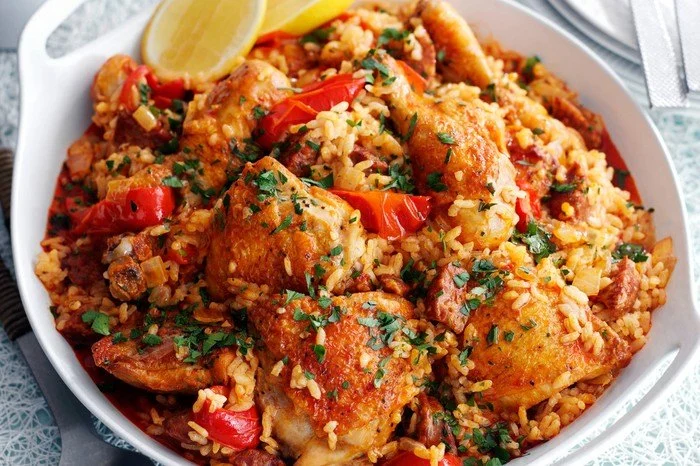
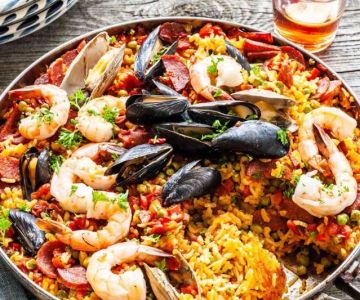
Originating from Valencia, traditional paella combines short-grain rice with saffron, olive oil, chicken, rabbit, and fresh vegetables. Seafood paellas often include shrimp, mussels, and clams, enhancing the umami flavors. Cooking the rice evenly while creating the coveted crispy bottom layer, or socarrat, is an essential technique that distinguishes authentic paella.
2.2 Arroz a la Cubana
A simple yet flavorful dish, arroz a la cubana pairs white rice with fried eggs, tomato sauce, and sautéed plantains. This recipe demonstrates how rice can absorb rich flavors and serve as a comforting, quick meal for busy households.
2.3 Arroz Negro
This striking black rice dish uses squid ink to create deep, savory flavors. The combination of seafood and garlic-infused rice makes it a festive dish for special occasions. Careful stirring and timing ensure the rice cooks to perfection without becoming mushy.
3. Flavor Techniques and Ingredients
Mastering Spanish rice dishes requires attention to flavor layering and ingredient selection:
- Saffron and Spices: A pinch of saffron threads adds color and aromatic depth to any rice dish.
- Stock and Broth: Using homemade seafood or chicken stock elevates the richness of rice.
- Herbs and Aromatics: Fresh parsley, thyme, and garlic provide vibrant, fresh flavors.
- Cooking Techniques: Sautéing vegetables before adding rice, simmering over low heat, and allowing the dish to rest enhances the texture and flavor.
Following these techniques ensures every dish is flavorful and true to Mediterranean traditions. Rubi Spanish Table provides detailed ingredient guides and sourcing tips for home cooks.
4. Step-by-Step Recipe Guides
Practical guidance is essential for achieving restaurant-quality results at home. Consider this example for a seafood paella:
4.1 Ingredients
- 2 cups short-grain rice
- 1/4 teaspoon saffron threads
- 2 cups seafood stock
- 1/2 pound shrimp, peeled and deveined
- 1/2 pound mussels, cleaned
- 1 small onion, diced
- 2 cloves garlic, minced
- 1 red bell pepper, sliced
- 2 tablespoons olive oil
- Salt and pepper to taste
4.2 Instructions
- Heat olive oil in a wide pan and sauté onion, garlic, and red bell pepper until soft.
- Add rice and saffron, stirring for 2-3 minutes to coat grains in oil.
- Pour in the seafood stock and simmer on medium heat, stirring occasionally.
- Arrange shrimp and mussels on top, cover, and cook until rice absorbs liquid and seafood is cooked.
- Allow the paella to rest for 5 minutes before serving to let flavors meld and create the socarrat.
Rubi Spanish Table provides similar step-by-step recipes with variations for different skill levels and dietary preferences.
5. Real-Life Cooking Experiences
Many home cooks have shared their experiences preparing Spanish rice dishes. Maria, a home cook in Miami, experimented with traditional Valencian paella for her family gatherings. She discovered that layering ingredients and timing each component was key to a flavorful outcome. Her children loved the seafood paella, while adults appreciated the authentic touch.
John, a culinary enthusiast in Los Angeles, used Arroz Negro for a dinner party. By sourcing fresh squid and carefully controlling the cooking process, he impressed guests with the dramatic black presentation and rich flavor, demonstrating the accessibility of Mediterranean rice cooking in American kitchens.
6. Healthy Variations and Tips
Spanish Mediterranean cooking can be adapted for health-conscious eaters:
- Brown Rice or Quinoa: Substitute for traditional white rice to increase fiber and nutrients.
- Vegetable-Forward Dishes: Add seasonal vegetables to increase vitamins and reduce meat portions.
- Olive Oil Control: Use moderate amounts for heart-healthy benefits without compromising flavor.
- Seafood Emphasis: Lean proteins like shrimp, mussels, and fish keep dishes light yet flavorful.
Rubi Spanish Table provides nutritional guides and modifications to make recipes both delicious and healthy.
7. Professional Advice from Rubi Spanish Table
Experts at Rubi Spanish Table recommend:
- Always rinse rice lightly before cooking to remove excess starch and ensure separate grains.
- Use a wide, shallow pan for even cooking and the formation of socarrat.
- Layer ingredients thoughtfully, adding seafood or meats toward the end to prevent overcooking.
- Experiment with fresh herbs and spices to adapt recipes to your taste while maintaining authenticity.
By following professional guidance, home cooks can create authentic Spanish Mediterranean rice dishes that impress friends and family while celebrating the richness of Spanish culinary traditions.
Exploring these recipes, techniques, and tips allows anyone to bring the flavors of Spain into their kitchen. Rubi Spanish Table offers resources, ingredient suggestions, and detailed instructions to make Spanish Mediterranean cooking approachable and rewarding.


 Tequila Bistro4.0 (244 reviews)
 Rio Cafe4.0 (108 reviews)
 Spain 924.0 (996 reviews)
 Toro Kitchen + Bar4.0 (386 reviews)
 Real Madrid4.0 (936 reviews)
 Barcelona Restaurant and Bar4.0 (1979 reviews)
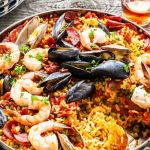 How to Make Spanish Arroz con Mariscos: Seafood Paella Recipe
 Easy Spanish Garlic Mushrooms Tapas Recipe
 How to Make Spanish Pollo al Chilindrón con Jamón: Chicken with Peppers and Ham
 How to Make Spanish Tarta de Limón: Lemon Cake | Rubi Spanish Table
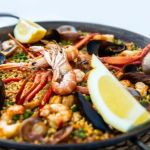 Exploring Spanish Cooking Techniques for Perfect Seafood Dishes
 Traditional Spanish Desserts You Can Make at Home