
- Spanish-Seafood-Heritage
- Key-Ingredients-and-Flavors
- Classic-Spanish-Seafood-Dishes
- Paella-Traditions
- Seafood-Tapas-Experience
- Cooking-Techniques-to-Enhance-Flavors
- Seasonality-and-Freshness
- Real-Life-Examples-and-Stories
- Pairing-and-Serving-Tips
- Learning-from-Rubi-Spanish-Table
Spanish Seafood Heritage
Spanish cuisine has a rich history influenced by the Mediterranean, Atlantic, and Atlantic coasts. Coastal regions, from Galicia to Andalusia, have perfected the art of seafood preparation over centuries. Traditional Spanish seafood dishes reflect a deep respect for fresh ingredients, regional flavors, and simple yet bold seasoning methods. This culinary heritage emphasizes how the ocean’s bounty can be transformed into dishes bursting with rich flavors and aromatic profiles.
Solea Restaurant and Tapas Bar
WalthamMiddlesex CountyMassachusetts
388 Moody St, Waltham, MA 02453, USA
1. Regional Influences
The northwestern regions like Galicia are famous for shellfish and octopus, while the southern Andalusian coast focuses on fried fish and salt-cured varieties. The Mediterranean coast, including Catalonia and Valencia, highlights paella and seafood stews rich in saffron and olive oil.

2. Cultural Significance
Seafood in Spain is more than food; it represents tradition, family gatherings, and festivals. Events like Semana Santa or local maritime festivals often center around seafood dishes, showing their importance in social and cultural life.
Key Ingredients and Flavors
1. Fresh Seafood
High-quality seafood is the backbone of Spanish dishes. Ingredients like mussels, clams, shrimp, squid, and cuttlefish are used to create layered flavors that maintain a delicate balance between freshness and richness.
2. Aromatic Enhancers
Traditional seasonings include saffron, smoked paprika, garlic, parsley, and lemon zest. Olive oil, used liberally, acts as both a cooking medium and a flavor enhancer, giving dishes a silky texture and depth.
3. Regional Specialties
Galician dishes often include pulpo a la gallega (octopus seasoned with paprika and olive oil), while Valencia is synonymous with seafood paella that combines rice, saffron, shellfish, and sometimes rabbit or chicken for added richness.
Classic Spanish Seafood Dishes
1. Pulpo a la Gallega
This dish highlights octopus boiled to tender perfection, drizzled with olive oil, and sprinkled with paprika. Simple yet complex in flavor, it represents the essence of Galician seafood tradition.
2. Gambas al Ajillo
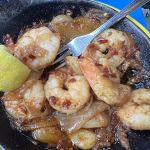
Garlic shrimp sautéed in olive oil with a hint of chili flakes, garnished with parsley. It is a staple tapas dish demonstrating how minimal ingredients can deliver maximum flavor.
3. Zarzuela de Mariscos
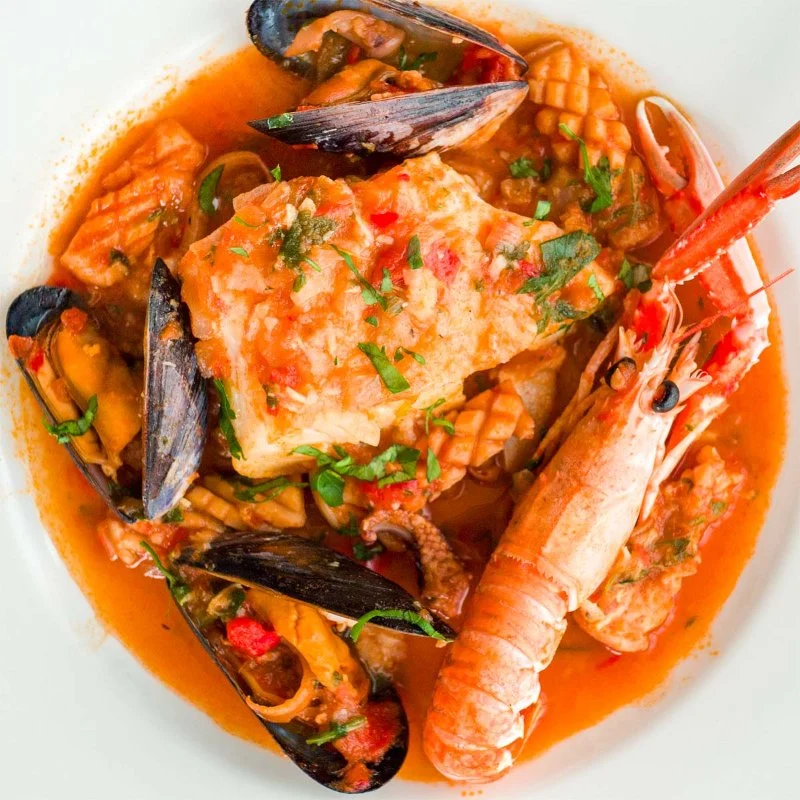
A rich seafood stew combining various shellfish, fish, and aromatic broth. This dish showcases Spain’s love for layering flavors while highlighting each seafood component.
Paella Traditions
1. Historical Context
Originating from Valencia, paella was initially a humble farmer’s dish cooked over open flames. Over centuries, it evolved to incorporate diverse seafood varieties, creating a dish with a distinct rich flavor profile that is celebrated worldwide.
2. Seafood-Only Paella
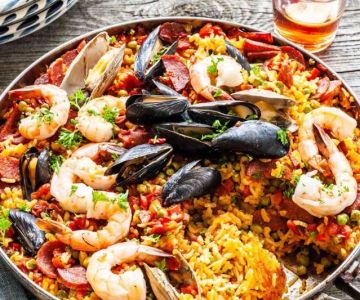
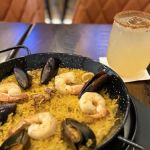
Seafood paella emphasizes the ocean’s bounty, featuring mussels, clams, shrimp, and squid cooked with saffron-infused rice. Careful attention to cooking times ensures each component retains texture and flavor.
3. Cooking Techniques
Key techniques include toasting rice for a slightly nutty flavor, layering seafood for optimal taste infusion, and creating the socarrat – the crispy caramelized rice at the bottom of the pan, a hallmark of authentic paella.
Seafood Tapas Experience
1. Variety and Sharing
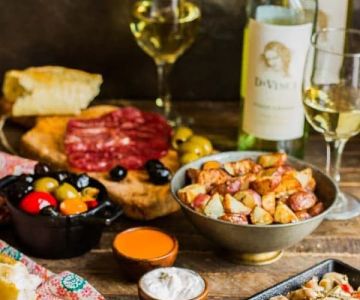
Tapas allow diners to explore multiple seafood dishes in one meal. Classic options include anchovies, calamari, and clams in white wine sauce. The social experience of sharing small plates enhances the enjoyment of Spain’s rich seafood flavors.
2. Flavor Pairings
Balancing garlic, olive oil, and mild chili with fresh seafood ensures dishes are aromatic without overpowering the natural flavors. This nuanced approach highlights the sophistication of Spanish tapas culture.
Cooking Techniques to Enhance Flavors
1. Sautéing and Frying
Quick cooking in olive oil preserves seafood texture while enhancing natural sweetness. Techniques like frying squid or prawns create a caramelized exterior while maintaining tenderness inside.
2. Steaming and Simmering
Steaming shellfish or simmering seafood in aromatic broths allows flavors to meld without losing freshness. Gentle heat prevents overcooking and ensures maximum taste retention.
3. Layering and Marination
Marinating seafood in olive oil, garlic, and herbs before cooking deepens the flavor profile. Layering seafood over rice or in stews allows natural juices to infuse every bite.
Seasonality and Freshness
1. Local Sourcing
Spain’s coastal markets provide daily fresh catches. Selecting seafood at its peak ensures the richest flavors. Visiting markets in regions like Galicia or Barcelona offers insight into ingredient selection and seasonality.
2. Seasonal Dishes
Different times of the year highlight certain seafood varieties, such as squid in spring or clams in autumn. Adapting recipes to seasonal availability enhances authenticity and flavor depth.
Real-Life Examples and Stories
Chef Ana of Rubi Spanish Table recalls a festival in Valencia where the preparation of traditional seafood paella involved over 50 kilos of fresh shellfish. Each step, from cleaning mussels to infusing rice with saffron, demonstrated the care and attention required for authentic flavors. Local families shared stories of generational recipes passed down, emphasizing the communal aspect of Spanish seafood meals.
Pairing and Serving Tips
1. Wine Pairings
Dry white wines like Albariño or Verdejo complement seafood dishes, balancing richness with acidity. Sparkling wines or light rosés are excellent for tapas gatherings.
2. Serving Styles
Serve seafood dishes family-style to emphasize sharing and communal dining. Garnishes like lemon wedges, fresh parsley, or a drizzle of high-quality olive oil elevate presentation and flavor.
3. Complementary Side Dishes
Fresh bread, grilled vegetables, or simple salads highlight the seafood without overshadowing it. Minimalist accompaniments maintain focus on the main flavor profile.
Learning from Rubi Spanish Table
Rubi Spanish Table provides resources for home cooks and culinary enthusiasts seeking to master traditional Spanish seafood. Through hands-on classes, recipe guides, and curated ingredient recommendations, aspiring chefs can recreate dishes with authentic rich flavors. Emphasizing fresh ingredients, proper techniques, and cultural context, Rubi Spanish Table ensures that Spanish seafood’s heritage is both preserved and accessible to a modern audience.
Traditional Spanish seafood offers an unforgettable culinary journey with its rich flavor profile, cultural significance, and fresh, high-quality ingredients. By understanding regional specialties, mastering cooking techniques, and learning from experts at Rubi Spanish Table, anyone can create authentic, flavorful seafood dishes that honor Spain’s rich culinary traditions.
 Isabella's Taverna & Tapas Bar4.0 (1784 reviews)
 Barcelona Wine Bar4.0 (1716 reviews)
 Toro Kitchen + Bar4.0 (386 reviews)
 Salinas Restaurant4.0 (2242 reviews)
 La Rambla Bistro and Tapas Bar4.0 (77 reviews)
 Gustitos Café LLC4.0 (139 reviews)
 How to Make Spanish Tarta de Naranja: Orange Cake
 How to Make Spanish Pimientos Rellenos de Queso y Jamón: Cheese and Ham Stuffed Peppers
 The Best Spanish Restaurants in Nashville, Tennessee for Tapas Lovers
 Exploring Spanish Street Food Recipes to Make at Home
 How to Make Spanish Pollo al Horno con Limón, Ajo y Hierbas: Lemon Garlic Herb Roasted Chicken
 Spanish Rice Recipe with Garlic and Onion