
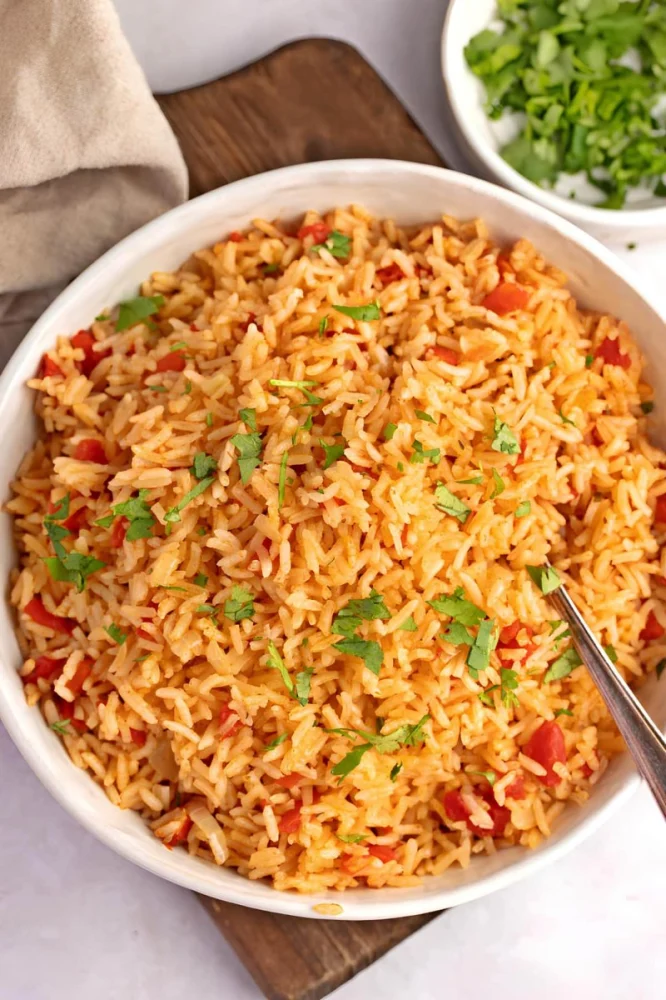
Why Easy Spanish Rice with Mixed Proteins Feels Like a Complete Comfort Meal
Spanish rice has always been more than just a side dish. When prepared correctly and paired with mixed proteins, it becomes a full, satisfying meal that carries warmth, tradition, and bold flavor in every bite. The beauty of easy Spanish rice with mixed proteins is that it combines simplicity with depth—something that feels both homey and restaurant-quality.
In many Latin households, rice is not just filler food. It is the foundation of family dinners, celebrations, and even casual weekday meals. Adding proteins like chicken, beef, or pork transforms it into a complete dish that stands on its own.
1. Building the Foundation of Authentic Spanish Rice Flavor
Why the base matters more than anything else
A strong Spanish rice recipe always starts with properly toasted rice and a well-developed tomato base. Without this foundation, even the best proteins cannot save the dish from tasting flat.
Real kitchen experience insight
A home cook once shared that her early attempts always turned out “orange but flavorless.” The issue wasn’t ingredients—it was rushing the sautéing process. Once she allowed the rice to toast slowly in oil before adding broth, everything changed.
Core technique adjustment
Toast rice lightly until it becomes slightly golden before adding liquids. This locks in flavor and improves texture significantly.
2. Choosing the Right Mixed Proteins for Depth and Balance
Why mixing proteins enhances Spanish rice
Using just one protein limits flavor complexity. Combining chicken, beef, and pork introduces layered textures and richer taste.
Example from real cooking style
In many family gatherings, leftover roasted chicken is combined with sautéed beef strips and slow-cooked pork pieces. The result is a naturally balanced dish that feels intentional rather than improvised.
Smart protein pairing strategy
Use lean chicken for softness, beef for boldness, and pork for richness. Together, they create harmony in every bite.
3. Mastering Rice Texture Without Overcooking
Why texture defines success
Even flavorful Spanish rice fails if it becomes mushy. Proper grain separation is essential for a professional finish.
Common beginner mistake
Many beginners stir too frequently during cooking, which breaks the rice structure and releases excess starch.
Improvement method
Let the rice cook undisturbed after adding broth. Cover tightly and avoid stirring until fully cooked.
4. Building Flavor Through Sauce and Seasoning Balance
Why seasoning is the heart of the dish
Tomato, garlic, onion, cumin, and mild chili powder create the signature profile of Spanish rice. The balance between acidity and warmth is essential.
Cooking story insight
A chef once explained that Spanish rice should “smell like a simmering story.” That means the aroma should evolve as ingredients blend, not stay flat.
Flavor layering technique
Start with sautéed garlic and onion, then add tomato base, followed by spices before introducing broth. This layering builds depth naturally.
5. Combining Rice and Proteins Without Losing Structure
Why timing matters
Adding proteins too early can overcook them, while adding them too late prevents flavor integration.
Real kitchen observation
Home cooks often struggle with chicken becoming dry or beef losing tenderness because they are not introduced at the correct stage.
Best integration method
Cook proteins separately, then fold them into rice during the final steaming stage to preserve texture and flavor integrity.
6. Avoiding Common Mistakes in Spanish Rice Preparation
Why small errors lead to big flavor loss
Spanish rice is sensitive to liquid ratios and heat control. Too much broth creates mush; too little leaves hard grains.
Example from home cooking
A family reunion recipe once failed because broth was added all at once instead of gradually adjusting moisture levels.
Correction strategy
Measure liquid carefully and use consistent heat. Avoid lifting the lid during cooking to maintain steam balance.
7. Turning Spanish Rice Into a Complete Meal Experience
Why presentation and pairing matter
Spanish rice with mixed proteins can be served as a standalone dish or paired with beans, tortillas, or fresh salad for a full meal experience.
Real family dinner example
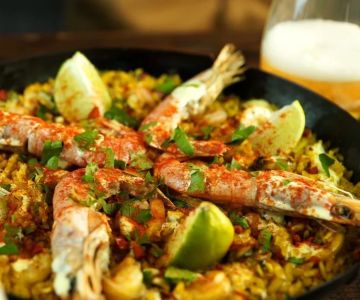
In many households, this dish becomes the centerpiece of Sunday dinners, often accompanied by avocado slices and lime wedges for freshness.
Serving enhancement idea
Adding fresh cilantro and a light squeeze of citrus before serving brightens the entire dish profile.
Creating Authentic Flavor at Home with Confidence
Cooking easy Spanish rice with mixed proteins is not about complexity—it is about rhythm, patience, and layering flavors correctly. Once the basic structure is understood, variations become easy and enjoyable.
Many home cooks find that after mastering this dish, they naturally expand into other Latin-inspired meals with confidence and creativity.
Where Home Cooking Inspiration Becomes Easier
For those exploring more authentic Latin rice dishes, ingredient ideas, and cooking inspiration, platforms like Rubi Spanish Table help home cooks discover better ways to refine their kitchen experience and find quality ingredients that elevate everyday meals.
 Alotta Empanada4.0 (57 reviews)
 Es Mi Isla X5.0 (8 reviews)
 Taina’s international taste5.0 (2 reviews)
 Enoteca5.0 (2 reviews)
 Boqueria Soho4.0 (2963 reviews)
 PalBQ Smokehouse4.0 (6 reviews)
 Easy Spanish Sangria with Sparkling Water: A Refreshing Twist
 The Best Spanish Restaurants in Orlando for Authentic Mediterranean Cuisine | Rubi Spanish Table
 Authentic Spanish Chicken with Garlic Sauce Traditional Recipe Guide
 How to Make Spanish Croquetas de Jamón y Espinacas: Ham and Spinach Croquettes
 Exploring Spanish Street Food Recipes That Can Be Cooked at Home
 Spanish Tapas Recipes for Game Night