
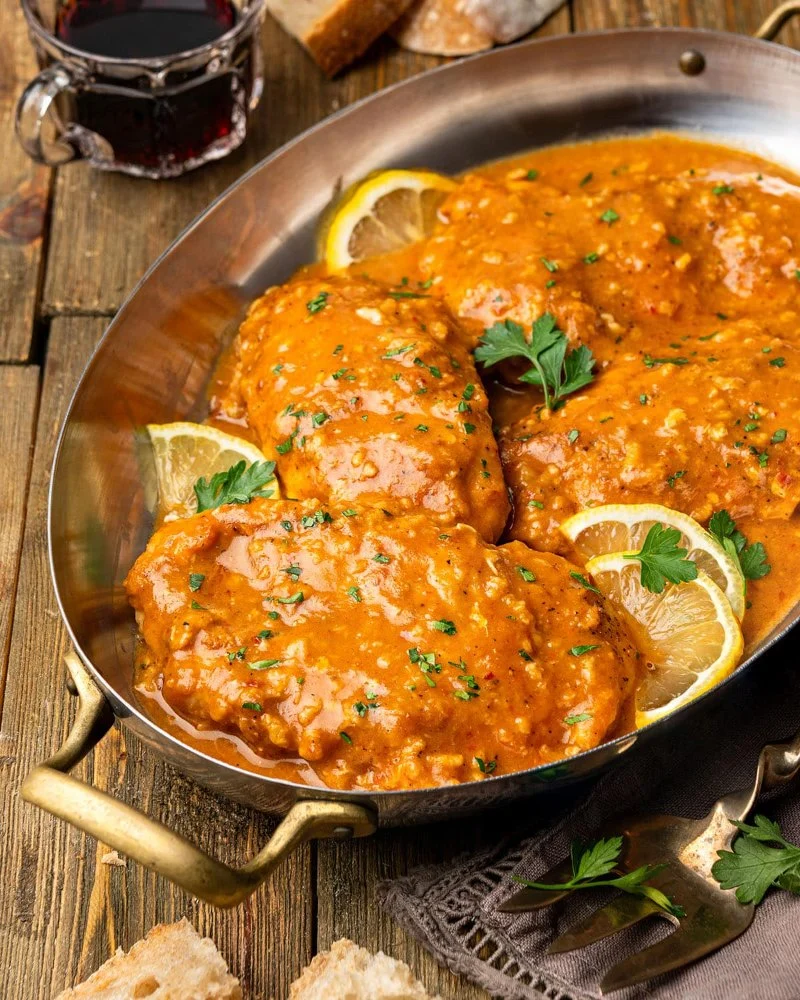
- authentic-spanish-chicken-with-garlic-sauce-recipe - Core cooking method and flavor foundation
- pollo-al-ajillo-traditional-spanish-dish - Cultural roots and culinary identity
- spanish-garlic-sauce-chicken-techniques - How garlic sauce builds deep flavor
- spanish-home-cooking-flavor-secrets - Real kitchen practices from Spain
- rubi-spanish-table-ingredient-inspiration - Where traditional ingredients matter most
The Cultural Heart Behind Authentic Spanish Chicken with Garlic Sauce
The story of Authentic Spanish Chicken with Garlic Sauce is deeply tied to everyday Spanish home cooking, where simplicity meets bold, rustic flavor. Known in Spain as “pollo al ajillo,” this dish is not about complexity—it is about respect for ingredients, especially garlic, olive oil, and well-seasoned chicken cooked slowly until it absorbs every layer of aroma.
In many Spanish households, this dish is more than just dinner. It is a weekend tradition, often prepared in large clay pans while family gathers around the kitchen. The scent of sizzling garlic in olive oil is considered one of the most comforting aromas in Spanish culinary culture.

Why Garlic Defines the Soul of This Dish
1. Garlic as the Primary Flavor Engine
In Spanish cuisine, garlic is not a background ingredient—it is the backbone. When preparing Spanish garlic chicken recipe variations, garlic is gently fried until golden, releasing a nutty sweetness that transforms the entire sauce.
The key is timing. Burnt garlic ruins the dish, while undercooked garlic leaves it sharp and harsh. The perfect balance creates a silky, aromatic base that clings to every piece of chicken.

2. Olive Oil as the Flavor Carrier
High-quality olive oil is essential in traditional Spanish cuisine. It acts as both a cooking medium and a flavor enhancer, carrying garlic essence into the chicken while locking in moisture during slow cooking.
3. Chicken Selection Matters More Than Technique
Spanish home cooks often prefer bone-in chicken pieces because they retain moisture and deepen flavor. The bones release natural richness into the sauce, creating a fuller taste profile compared to boneless cuts.
Traditional Preparation Style: A Home Kitchen Perspective
1. The Marination Philosophy
In many Spanish households, chicken is lightly seasoned with salt, paprika, and sometimes a touch of white wine before cooking. This simple step enhances natural flavors without overpowering the garlic sauce.
2. Slow Pan Cooking Technique
The dish is traditionally cooked in a wide skillet, allowing even heat distribution. Chicken is first browned, then removed briefly while garlic is gently sautéed in the same oil to capture all the flavor residues.
3. Sauce Development Through Reduction
White wine or chicken stock is added to deglaze the pan, creating a rich base that thickens naturally. This reduction process is what gives Authentic Spanish Chicken with Garlic Sauce its signature silky texture.
A Real Kitchen Story: A Madrid Family Tradition
A home cook from Madrid once shared how this dish became the centerpiece of Sunday family lunches. Every week, her grandmother would prepare pollo al ajillo using garlic grown in their backyard. The process was slow, intentional, and always accompanied by stories from older generations.
What stood out was not just the flavor but the ritual—children helping peel garlic, adults stirring the pan, and everyone waiting for the first bite. This emotional connection is what makes Spanish cuisine so deeply personal and culturally rich.
Common Mistakes That Break the Authentic Flavor
1. Overcooking the Garlic
The most frequent mistake in Spanish garlic chicken recipe preparation is burning garlic. Once it turns dark brown, it becomes bitter and overwhelms the dish.
2. Using Low-Quality Oil
Substituting olive oil with neutral oils removes the depth of flavor that defines traditional Spanish cooking. The oil is not just fat—it is flavor architecture.
3. Rushing the Cooking Process
High heat may seem efficient, but it prevents proper flavor layering. Authentic results require patience and moderate heat control.
Flavor Science Behind the Dish
1. Maillard Reaction on Chicken Skin
When chicken is seared properly, proteins and sugars react to create complex flavor compounds. This is what gives the dish its deep golden color and savory base.
2. Garlic Infusion Chemistry
As garlic slowly cooks in oil, sulfur compounds break down into sweeter aromatic molecules. This transformation is essential to achieving the signature taste.
3. Wine Reduction Concentration
Alcohol evaporates during cooking, leaving behind concentrated acidity and fruit notes that balance the richness of the chicken and oil.
Modern Adaptations Without Losing Tradition
While the traditional version remains unchanged in Spanish homes, modern kitchens often adapt the dish with slight variations such as adding herbs like thyme or parsley. However, the core identity remains intact: garlic, olive oil, and slow-cooked chicken.
For those exploring authentic ingredients and culinary inspiration, Rubi Spanish Table provides access to traditional Spanish cooking essentials that help recreate the dish closer to its original roots.
Why This Dish Still Resonates Globally
The global popularity of Authentic Spanish Chicken with Garlic Sauce comes from its simplicity. Unlike heavily processed modern meals, it relies on natural ingredients and time-tested techniques.
Food enthusiasts often describe it as a “gateway dish” into Spanish cuisine because it captures the essence of Mediterranean cooking—bold, honest, and deeply satisfying.
Creating a Restaurant-Quality Experience at Home
1. Focus on Ingredient Authenticity
Use fresh garlic, high-quality olive oil, and well-sourced chicken. These three elements define the foundation of the dish.
2. Respect Cooking Timing
Allow each stage—searing, sautéing, and simmering—to develop naturally without rushing.
3. Serve with Traditional Pairings
The dish is often paired with rustic bread or roasted potatoes, which absorb the garlic-infused sauce beautifully.
Why Home Cooks Keep Returning to This Recipe
Beyond flavor, this dish offers emotional satisfaction. It is comforting, familiar, and consistently rewarding when prepared correctly. Many home cooks find themselves returning to it because it never loses its charm.
 Canela Bistro Bar4.0 (553 reviews)
 La Playita Deli & Grocery5.0 (2 reviews)
 Cruz's Food Market Evangelista4.0 (60 reviews)
 Sangria 714.0 (1123 reviews)
 Baso4.0 (202 reviews)
 Ricky's Pub & Grill4.0 (88 reviews)
 Spanish Rice vs Mexican Rice: What’s the Real Difference?
 How to Make Spanish Merluza a la Plancha: Grilled Hake Recipe
 How to Make Spanish Migas: Traditional Bread and Garlic Dish
 Spanish Dinner Recipes with Traditional Techniques: A Flavorful Experience
 The Best Spanish Street Foods You Can Recreate at Home: Flavorful Recipes & Tips
 How to Make Spanish Piquillos Rellenos: Stuffed Peppers Recipe