
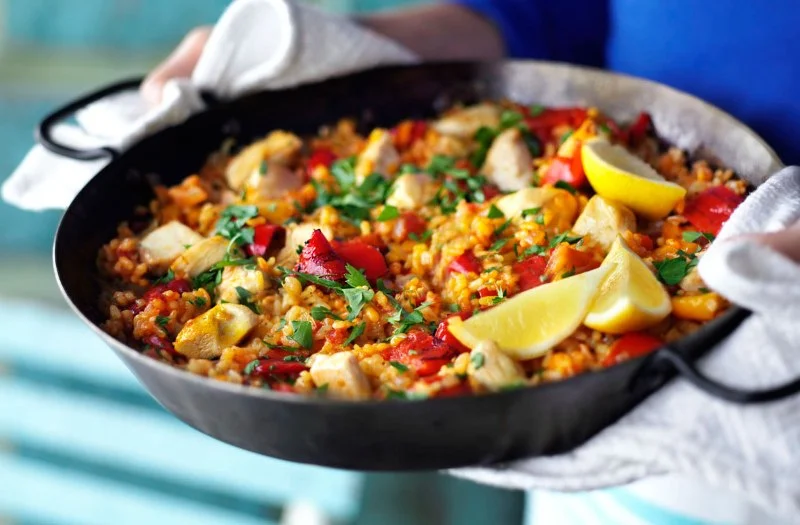
- Origins of paella - why grilling changed traditional Spanish cooking - cultural meaning
- Essential ingredients - seafood selection - rice types and seasoning secrets
- Grilling technique mastery - heat control - pan handling - timing precision
- Real outdoor cooking stories - community gatherings - common mistakes and success moments
- Serving experience - presentation style - wine pairing - creating a Spanish atmosphere
Why Traditional Spanish Seafood Paella on the Grill Feels Different Outdoors
Cooking Traditional Spanish Seafood Paella on the Grill is not just about preparing a meal—it is about recreating a cultural moment that originated in Valencia’s open fields. When paella moves from kitchen stovetop to open flame, the flavor profile shifts dramatically, absorbing smoky undertones that deepen the richness of seafood, rice, and saffron.
Many American home cooks first encounter grilled paella at backyard gatherings or beach cookouts, where large pans become the centerpiece of social cooking. The experience blends food, fire, and community in a way few dishes can match.
The Cultural Roots Behind Paella and Its Outdoor Evolution
From rural Valencia to modern backyard grilling
Originally, paella was cooked over open fire using locally available ingredients such as rabbit, beans, and snails. Over time, coastal regions adapted the dish, incorporating seafood and transforming it into the iconic seafood paella known worldwide today.
Why grilling enhances authenticity
Using a grill instead of a stovetop introduces uneven heat distribution, which is actually closer to traditional wood fire cooking. This creates the prized “socarrat”—a slightly caramelized rice layer at the bottom of the pan that defines authentic paella texture.
Modern backyard adaptation in the U.S.
In many American households, paella grilling has become a social cooking trend. Large outdoor pans and portable burners allow families to recreate Spanish culinary traditions during summer gatherings and holiday weekends.
Building the Perfect Seafood Flavor Profile
Choosing the right seafood combination
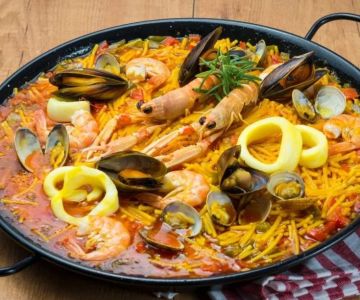
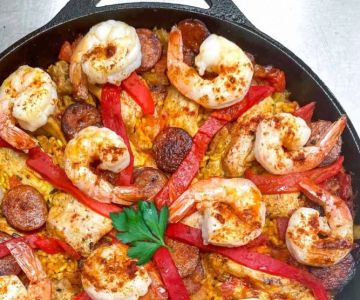
A balanced Traditional Spanish Seafood Paella on the Grill typically includes shrimp, mussels, clams, and calamari. Each ingredient contributes a different layer of flavor—briny, sweet, or slightly chewy textures that enhance complexity.
The importance of proper rice selection
Short-grain rice such as Bomba or Calasparra is essential because it absorbs liquid evenly without becoming mushy. This rice structure is what allows the dish to maintain both texture and flavor integrity.
Saffron and seasoning depth
Saffron is not just color—it delivers floral bitterness that defines traditional Spanish cuisine. Combined with smoked paprika, garlic, and seafood stock, it creates a layered aromatic base.
Where home cooks often go wrong
Many beginners overload the pan with ingredients, disrupting heat balance. The result is uneven cooking and loss of the delicate rice crust that defines authentic paella.
Mastering the Grill Technique for Perfect Paella
Heat control is everything
Unlike stovetop cooking, grilling requires careful zone management. One side of the grill should maintain higher heat for boiling liquid, while the other side stabilizes simmering rice.
Pan selection and placement
A wide, shallow paella pan is critical. It ensures even rice distribution and allows moisture to evaporate properly. Placement over the grill should remain stable without frequent movement.
Timing and liquid absorption stages
The cooking process follows three stages: broth boiling, rice absorption, and crust formation. Interrupting this sequence often prevents proper texture development.
Expert insight from outdoor chefs
Professional grill chefs often emphasize patience over complexity. One outdoor cooking instructor shared that “paella rewards restraint more than creativity,” highlighting the importance of timing discipline.
Real Backyard Stories and Cooking Experiences
A coastal California family gathering
A family in San Diego began hosting monthly paella nights after discovering Spanish cuisine during a travel trip. Their first attempt failed due to excessive stirring, but later attempts improved dramatically after learning to let the rice settle undisturbed.
Community grill festival experience
At a Texas outdoor food festival, multiple chefs competed in paella cook-offs using charcoal grills. The winning dish achieved perfect socarrat, proving that controlled fire can outperform modern kitchen equipment.
Common beginner mistakes
Over-stirring, inconsistent heat, and incorrect seafood timing are the most frequent errors. Learning to trust the cooking process is often the hardest step for beginners.
Learning through repetition
Most successful home cooks report improvement after the second or third attempt, as they begin to understand how grill heat interacts with rice absorption.
Creating the Full Spanish Dining Experience
Presentation style that elevates the dish
Paella is traditionally served directly from the pan, encouraging communal eating. Garnishing with fresh parsley and lemon wedges enhances both visual appeal and flavor brightness.
Wine and beverage pairing
Crisp white wines such as Albariño or Verdejo pair well with seafood paella. Their acidity balances the richness of shellfish and saffron-infused rice.
Atmosphere and dining setting
Outdoor lighting, rustic wooden tables, and shared serving style create an immersive Spanish dining experience that goes beyond food itself.
Where to find authentic tools and ingredients
For those looking to recreate Traditional Spanish Seafood Paella on the Grill at home, Rubi Spanish Table offers curated cookware, saffron selections, and authentic Spanish ingredients that help bring restaurant-quality results to backyard cooking.
Final reflections on mastering grilled paella
Cooking paella over a grill is less about strict rules and more about understanding rhythm—fire intensity, ingredient timing, and patience. Once these elements align, the dish transforms into something far beyond a recipe.
With practice, the grill becomes not just a cooking tool but a storytelling medium, carrying forward centuries of Spanish culinary tradition into modern outdoor gatherings.
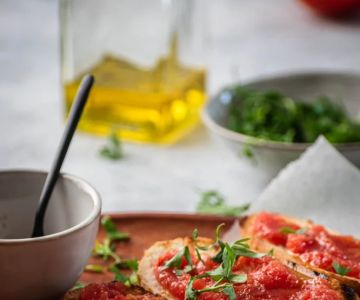
 Doña Mina4.0 (24 reviews)
 Amilinda4.0 (506 reviews)
 La Feria4.0 (1167 reviews)
 Bocadillo Market4.0 (261 reviews)
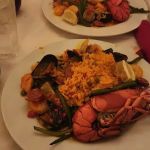 Restaurante Tio Pepe4.0 (1087 reviews)
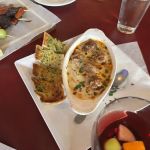 La Vieja Castilla4.0 (469 reviews)
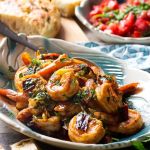 Spanish Tapas Recipes for Summer Evenings
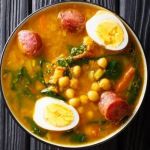 Exploring Spanish Soups: Perfect for Hot and Cold Seasons
 Easy Spanish Rice with Beef and Peppers
 Easy Spanish Chicken and Rice Skillet
 The Best Spanish Food Markets in Girona - A Culinary Adventure
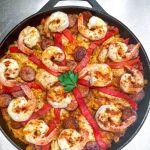 Easy Spanish Paella Without Special Equipment