
- party-tapas-basics - Understanding the spirit of Spanish tapas for celebrations
- classic-celebration-recipes - Traditional dishes that anchor any tapas table
- modern-tapas-ideas - Creative twists for festive gatherings
- pairing-and-presentation - Drinks, plating, and hosting atmosphere
- real-party-story - A memorable celebration built around tapas culture
The Cultural Rhythm Behind Spanish Tapas Recipes for Special Celebrations
Spanish tapas are not just small plates of food—they represent a social rhythm built around sharing, conversation, and lingering at the table. When applied to special celebrations, tapas transform into something more meaningful than a menu: they become a structured yet relaxed way of hosting where guests move, taste, talk, and connect naturally.
At many celebrations across Spain—from birthday gatherings in Seville to late-night wedding receptions in Madrid—the tapas table replaces rigid dinner seating. Instead of a single plated course, food is distributed in waves, encouraging guests to return for seconds, try something new, and stay engaged throughout the event.
This flexibility is exactly why Spanish tapas recipes for special celebrations have become popular far beyond Spain. Hosts appreciate that they reduce pressure while still delivering high visual and culinary impact.

Building the Foundation of a Tapas Celebration Menu
Balancing Flavor, Texture, and Timing
A strong tapas spread works like a well-composed playlist. You need highs, lows, and transitions. The key is balancing salty, rich, fresh, and acidic elements so guests never feel overwhelmed.
For example, pairing marinated olives with creamy cheese-based bites helps reset the palate between richer dishes like croquettes or slow-cooked meats. This rhythm keeps the celebration food experience dynamic rather than repetitive.
Nonna's Empanadas - Original Farmers Market
Los AngelesLos Angeles CountyCalifornia
6333 W 3rd St, Los Angeles, CA 90036, USA
Why Small Plates Create Bigger Emotional Impact
Psychologically, smaller portions encourage exploration. Guests feel free to try multiple items without committing to a full plate. This increases interaction around the food table and naturally extends conversation time.
Event planners often use tapas-style menus specifically because they reduce “formal dining pressure,” making guests feel more relaxed and social.
Classic Spanish Tapas Recipes That Anchor Any Celebration
Patatas Bravas with a Festive Twist
Crispy potatoes with smoky tomato sauce remain one of the most iconic Spanish tapas recipes. For celebrations, the dish often gets elevated with aioli drizzles or paprika-infused oil that enhances both aroma and presentation.
One catering chef in Barcelona shared a wedding story where patatas bravas were served in mini cones. Guests loved the portability, and the dish disappeared within the first hour of the reception.
Gambas al Ajillo for Instant Crowd Appeal
Garlic shrimp sizzling in olive oil is a sensory experience more than just a dish. The aroma alone draws guests toward the table, making it ideal for opening a celebration menu.
This dish also works well in live cooking stations, where guests can watch preparation unfold, adding entertainment value to the meal.
Tortilla Española as a Comfort Anchor
Spanish omelet brings balance to sharper flavors. It is soft, filling, and universally liked. In celebration settings, it often serves as a grounding dish that appeals to all ages.
Modern Tapas Ideas for Elevated Celebrations
Fusion-Inspired Small Plates
Modern chefs increasingly blend Spanish techniques with global ingredients. Think chorizo sliders, manchego-stuffed dates with honey glaze, or even sushi-inspired tapas with Iberian ham accents.
These fusion ideas work especially well in milestone celebrations like anniversaries or corporate events, where guests expect something familiar but surprising.
Vegetarian Tapas for Inclusive Hosting
Modern celebrations often require inclusive menus. Roasted peppers, grilled eggplant with tahini drizzle, and tomato-basil skewers ensure vegetarian guests feel equally considered.
This approach is not just accommodating—it enhances variety and color across the table, making the entire spread more visually appealing.
Interactive Tapas Stations
One growing trend in special celebrations is DIY tapas bars. Guests assemble their own bites using curated ingredients. This transforms dining into an activity rather than passive consumption.
At one private rooftop event in Miami, a “build-your-own bruschetta” station became the highlight of the night, with guests customizing flavor combinations throughout the evening.
Pairing, Presentation, and Atmosphere for Tapas Celebrations
Wine Pairing That Enhances Social Flow
Spanish reds like Tempranillo or light whites like Albariño complement tapas beautifully. The goal is not overpowering the food but enhancing conversation flow with balanced flavor profiles.
Sparkling cava is often reserved for celebratory moments like toasts or announcements, adding sparkle—both literally and socially—to the gathering.
Table Design and Visual Storytelling
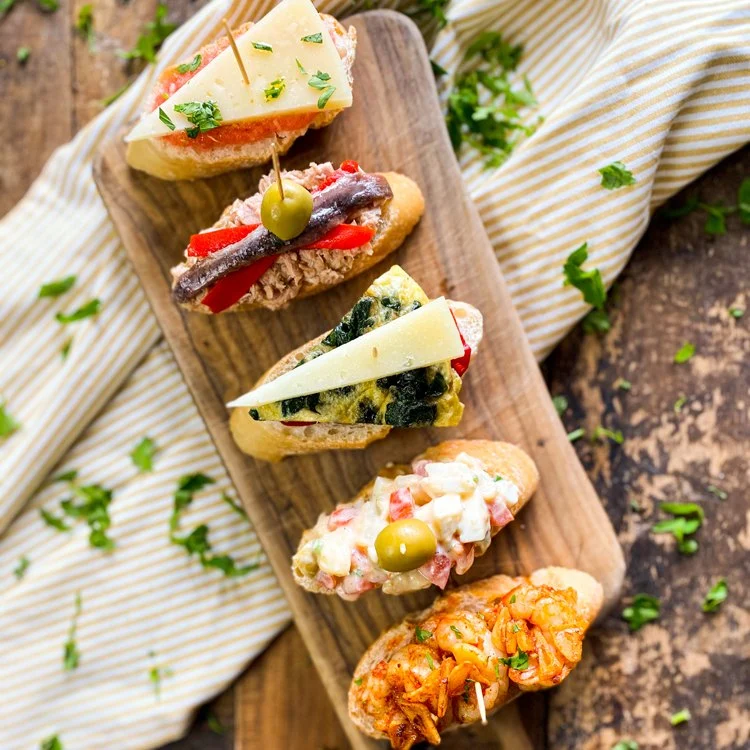
Tapas presentation plays a major role in celebration success. Wooden boards, ceramic dishes, and layered textures help create a warm, inviting table landscape.
Instead of formal plating, dishes are spread across multiple access points, encouraging guests to move and interact rather than sit in fixed positions.
Lighting and Music as Hidden Ingredients
Soft lighting and Spanish guitar or acoustic playlists help reinforce the tapas atmosphere. The goal is to create a setting where food feels like part of a larger emotional experience.
Event designers often note that guests remember ambiance as much as taste, especially in celebratory contexts.
A Real Celebration Story Built Around Tapas Culture
A small family reunion in Texas became an unexpected example of how Spanish tapas recipes for special celebrations can transform an ordinary gathering. Instead of a traditional barbecue, the host decided to experiment with a tapas-style menu inspired by a trip to Barcelona.
The menu included patatas bravas, garlic shrimp, marinated olives, and mini tortilla slices. What surprised everyone was not the food itself, but how the structure changed the evening. Guests naturally moved between the kitchen island and backyard seating, conversations overlapped, and the event felt more like a festival than a dinner.
One guest later described it as “the first time I felt like I wasn’t just attending a meal, but participating in it.” That shift—from passive dining to active engagement—is exactly what makes tapas ideal for celebrations.
For readers inspired to recreate similar experiences at home, curated ingredient ideas, serving tools, and hosting inspiration can be explored through Rubi Spanish Table, which helps connect authentic Spanish flavors with modern celebration planning.
Why Tapas Continue to Define Modern Celebration Dining
Tapas succeed in celebrations because they remove rigidity. There is no single moment that defines the meal—no starter, main, and dessert structure that dictates pacing. Instead, everything flows naturally.
This flexibility allows hosts to focus more on guests and less on timing. Food becomes part of the conversation rather than a scheduled interruption. That is why Spanish tapas recipes for special celebrations continue to grow in popularity across global hosting culture.
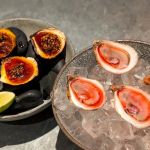 Baso4.0 (202 reviews)
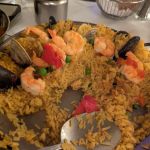 Mediterraneo4.0 (449 reviews)
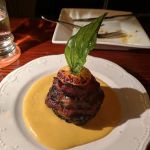 Cuchi Cuchi4.0 (818 reviews)
 Boqueria Flatiron4.0 (2233 reviews)
 La Barra4.0 (1001 reviews)
 Top of The V3.0 (242 reviews)
 Easy Spanish Rice with Saffron Flavor
 The Best Spanish Restaurants in Sacramento for Tapas and Mediterranean Flavors
 The Most Popular Spanish Tapas Recipes in the US: A Complete Guide
 Spanish Regional Foods From Andalusia to Catalonia Guide
 How to Make Spanish Calamares a la Andaluza con Limón: Andalusian Squid with Lemon Recipe
 How to Make Spanish Tarta de Frambuesas: Raspberry Cake Recipe