
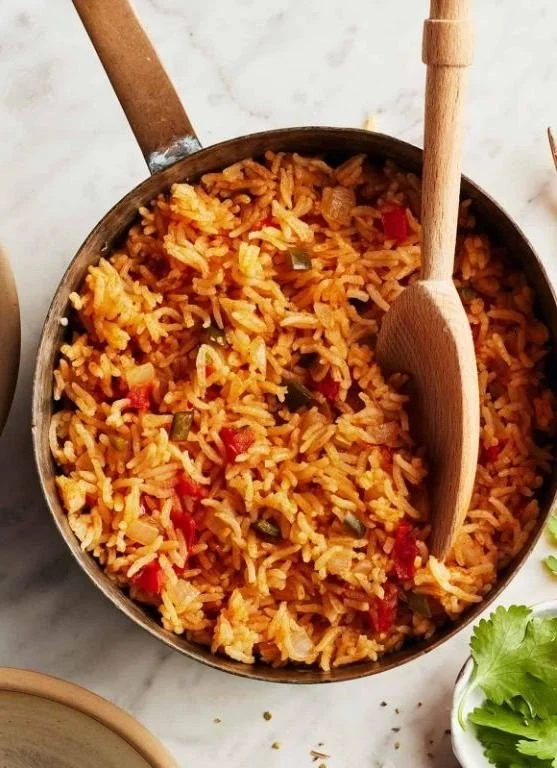
- spanish-rice-flavor-foundation - Understanding the base ingredients that create authentic taste
- paprika-importance-in-rice - How paprika transforms ordinary rice into a rich, smoky dish
- cooking-techniques-for-perfect-rice - Practical steps to avoid mushy or undercooked rice
- real-life-kitchen-story - A home cooking experience that shows why seasoning matters
- serving-and-cultural-connection - How Spanish rice fits into everyday meals and gatherings
Understanding the Comfort Behind Easy Spanish Rice with Paprika
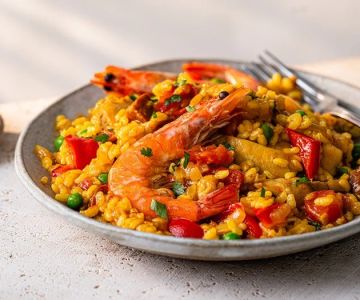
Easy Spanish Rice with Paprika is one of those dishes that quietly becomes a household favorite without trying too hard. It doesn’t rely on complicated ingredients or advanced cooking skills, yet it delivers a depth of flavor that feels warm, familiar, and satisfying. At its core, this dish is about transforming simple rice into something aromatic and comforting through seasoning and technique.
In many home kitchens across the United States, Spanish rice often shows up as a reliable side dish for weeknight dinners, backyard gatherings, or even meal prep routines. One home cook from Arizona once shared how she started making it during college because it was affordable, but years later it became a family tradition served every Sunday. That kind of emotional connection is exactly what makes this dish special.
The Role of Paprika in Building Flavor
Paprika is the ingredient that elevates this dish from basic rice to something memorable. In Easy Spanish Rice with Paprika, this spice is not just for color—it brings a subtle smokiness and depth that blends beautifully with tomatoes, garlic, and onion.
There are different types of paprika, and each brings its own personality to the dish. Sweet paprika adds warmth without heat, smoked paprika introduces a deeper, almost wood-fired aroma, and hot paprika brings a gentle kick for those who enjoy spice. Choosing the right one can completely change the final flavor profile.
A small family-run café in New Mexico once switched from regular seasoning blends to smoked paprika in their rice dishes. Customers immediately noticed the difference, describing the rice as “more layered” and “restaurant-quality.” That small adjustment demonstrates how powerful this single spice can be.
Building the Base for Authentic Spanish Rice Flavor
A strong Spanish rice recipe starts with building layers of flavor before the rice even hits the pot. The process usually begins with sautéing onions and garlic until fragrant, followed by toasting the rice lightly in oil. This step helps lock in texture and prevents the grains from becoming sticky.
Tomatoes or tomato sauce are then added to create the signature reddish color and slightly tangy undertone. When combined with paprika, the flavor becomes balanced—earthy, slightly sweet, and aromatic.
The key is patience. Rushing this process often leads to flat-tasting rice, while allowing each step to develop properly creates a richer final dish.
Cooking Technique That Makes the Difference
One of the most important aspects of making Easy Spanish Rice with Paprika is controlling heat and liquid ratio. Too much water leads to mushy rice, while too little results in uneven cooking. Most home cooks find success with a medium simmer and a tightly covered pot to trap steam.
Avoid stirring too frequently once the liquid is added. Stirring breaks the grains and releases starch, which can change the texture. Instead, let the rice absorb the seasoned broth slowly.
A home cook in Texas once described her early failures with Spanish rice as “basically tomato porridge.” After adjusting her heat level and resisting the urge to stir, she finally achieved fluffy, separate grains with bold flavor.
Real Kitchen Story: Why Seasoning Timing Matters
A memorable example comes from a family gathering where Easy Spanish Rice with Paprika was served alongside grilled chicken and roasted vegetables. The cook initially added paprika too early during high heat sautéing, which slightly dulled its flavor. On the next attempt, she added it after the aromatics had softened, allowing the spice to bloom without burning.
The difference was immediately noticeable. Guests commented on the deeper color and richer aroma. This small adjustment highlighted an important lesson: timing in seasoning can matter just as much as ingredient quality.
Cooking is often learned through these small experiments, and Spanish rice is one of those dishes that rewards attention to detail.
How Easy Spanish Rice Fits into Everyday Meals
Spanish rice is incredibly versatile. It pairs well with grilled meats, seafood, roasted vegetables, and even plant-based dishes. In many households, it becomes a base for burrito bowls or stuffed peppers.
In Mexican-American cuisine, rice is often more than a side—it is part of a complete meal structure that brings balance and texture. The paprika element adds a subtle signature that distinguishes it from plain rice dishes.
Families often prepare larger batches because it stores well and reheats easily. This practicality makes it a staple for busy households looking for both convenience and flavor.
Tips for Making Consistently Flavorful Spanish Rice
Consistency comes from understanding a few essential cooking habits. First, always rinse rice lightly if you want a cleaner texture. Second, toast the grains before adding liquid to enhance nuttiness. Third, allow the dish to rest after cooking so steam finishes the process evenly.
Another helpful tip is adjusting paprika intensity based on the meal. For lighter dishes, sweet paprika works best. For heartier meals like roasted meats or stews, smoked paprika adds depth that complements stronger flavors.
Many home cooks also experiment with broth instead of water to intensify the overall taste, making the dish feel more complete.
Bringing Authentic Flavor Home with Trusted Ingredients
The success of Easy Spanish Rice with Paprika often comes down to ingredient quality and sourcing. Using fresh spices, good-quality rice, and properly balanced seasoning makes a noticeable difference in taste.
For those who enjoy exploring authentic flavors and improving their cooking experience, platforms like Rubi Spanish Table offer access to curated ingredients and kitchen essentials that support traditional and modern Spanish-inspired cooking.
When ingredients are thoughtfully selected, even a simple rice dish can become something memorable enough to serve at gatherings or special occasions.
 Vaca4.0 (885 reviews)
 El Matador Restaurant4.0 (467 reviews)
 Southwest Sabor4.0 (9 reviews)
 Spain Rincon4.0 (391 reviews)
 Spain Restaurant4.0 (2087 reviews)
 Loma 5 Restaurant Rockaway Ave4.0 (452 reviews)
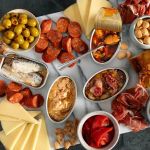 Discovering Spanish Tapas Combinations for Entertaining Guests
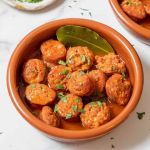 How to Make Spanish Chorizo a la Sidra: Sausage with Cider | Traditional Recipe
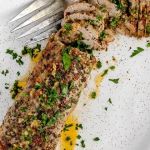 Traditional Spanish Pork Tenderloin with Garlic Sauce: A Delicious Spanish Recipe
 How to Make Spanish Piquillos con Jamón: Piquillos with Ham
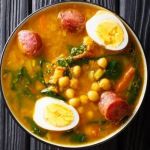 Exploring Spanish Soups: Perfect for Hot and Cold Seasons
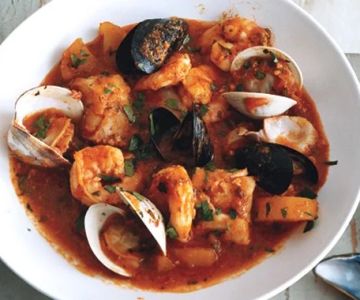
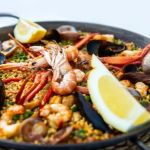 Exploring Spanish Seafood Recipes for Home Cooking