- #paella-origins - The Cultural Roots Behind Authentic Spanish Paella in Valencia
- #core-ingredients - Traditional Ingredients That Define Real Spanish Paella
- #cooking-methods - How Authentic Paella Is Cooked Over Fire and Tradition
- #rice-and-saffron - The Role of Rice Texture and Saffron in Flavor Development
- #seafood-vs-meat - Regional Variations and Ingredient Debates in Spain
- #paella-pan-technique - Why the Paella Pan Matters More Than People Think
- #common-mistakes - Mistakes That Break Authentic Paella Tradition
- #home-cooking-story - Real Experience Cooking Paella Outside Spain
- #cultural-significance - Why Paella Is More Than Just a Dish in Spain
- #rubi-spanish-table - Authentic Ingredient Sourcing and Culinary Tools
The Cultural Roots Behind Authentic Spanish Paella in Valencia
Understanding What Is Authentic Spanish Paella? Traditional Ingredients and Cooking Methods Explained starts in Valencia, the coastal region of Spain where paella originated. This dish was not born in restaurants but in rural fields, where farmers cooked rice over open fire using whatever ingredients were available.
Over time, paella evolved into one of Spain’s most iconic culinary symbols. Yet in its homeland, locals still insist that true paella is deeply regional and tied to tradition rather than tourist interpretations.
A traveler visiting Valencia once described watching locals prepare paella on a Sunday afternoon by the lake—multiple families gathering around wide pans, each claiming their own version was the most authentic. That pride reflects how deeply this dish is woven into Spanish identity.
Traditional Ingredients That Define Real Spanish Paella
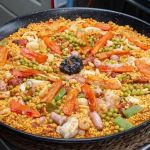
When exploring authentic Spanish paella, ingredients matter more than technique in many ways. Traditional Valencian paella typically includes rabbit, chicken, green beans, and occasionally snails, cooked with short-grain rice that absorbs flavor while maintaining structure.
One of the most essential elements is saffron, which gives the rice its signature golden color and subtle floral aroma. Olive oil, paprika, and fresh stock also contribute to the dish’s layered flavor profile.
A chef in Valencia once explained that paella is not about complexity—it is about balance. Too many ingredients distort its identity, which is why traditionalists often reject overly elaborate versions found outside Spain.
El Portal Restaurante in Morristown
MorristownMorris CountyNew Jersey
132 Speedwell Ave, Morristown, NJ 07960, USA
How Authentic Paella Is Cooked Over Fire and Tradition
The cooking method is central to What Is Authentic Spanish Paella? Traditional Ingredients and Cooking Methods Explained. Traditional paella is cooked over an open flame, often using orange or pine wood to create a steady, even heat.
The rice is spread in a thin layer across a wide pan, allowing it to cook evenly without stirring. This technique ensures the formation of “socarrat,” a slightly crispy layer at the bottom that many consider the most flavorful part of the dish.
A cooking workshop in Spain once demonstrated how improper stirring ruined the texture entirely, reinforcing that paella is as much about discipline as it is about flavor.
The Role of Rice Texture and Saffron in Flavor Development
Rice selection is one of the most important aspects of authentic Spanish paella. Short-grain varieties like Bomba rice are preferred because they absorb liquid while remaining firm.
Saffron threads are steeped in warm broth before being added to the dish, allowing their color and aroma to fully integrate into the rice.
A culinary instructor once demonstrated that even a small imbalance in rice-to-liquid ratio can drastically alter texture, turning a perfect paella into a mushy rice dish that loses its identity.
Regional Variations and Ingredient Debates in Spain
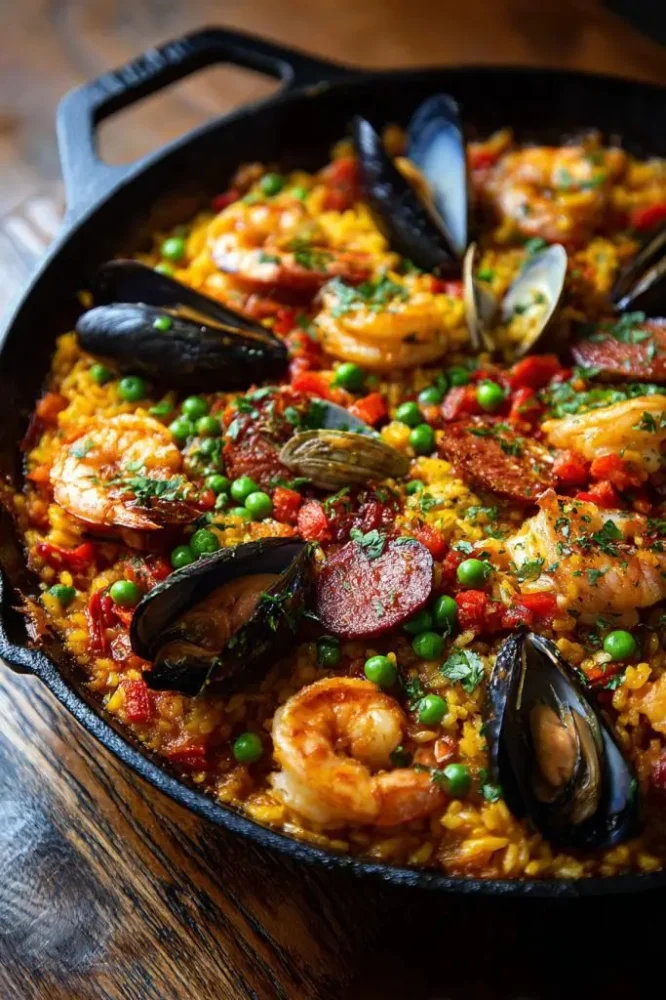
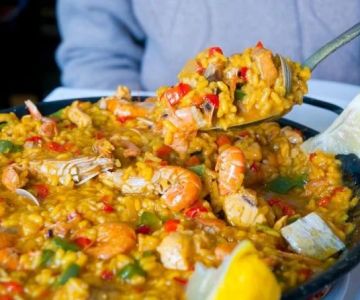
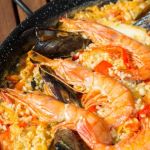
One of the most debated topics in What Is Authentic Spanish Paella? Traditional Ingredients and Cooking Methods Explained is whether seafood belongs in traditional paella. In coastal regions, seafood paella is popular, while inland areas prefer meat-based versions.
In Valencia, purists argue that seafood paella is a variation rather than the original. However, both styles reflect Spain’s diverse culinary landscape.
A restaurant owner in Barcelona once noted that tourists often expect seafood paella, but locals frequently enjoy mixed versions only during special occasions, not everyday meals.
Why the Paella Pan Matters More Than People Think
The wide, shallow pan is essential in authentic Spanish paella. It ensures even heat distribution and allows rice to cook in a thin layer.
Using the wrong pan can lead to uneven cooking, with some areas overcooked while others remain underdone. This is why traditional cooks treat the pan as carefully as the ingredients themselves.
In a culinary demonstration in Madrid, switching from a standard pot to a traditional paella pan completely transformed the dish’s texture and flavor consistency.
Mistakes That Break Authentic Paella Tradition
Many home cooks attempting authentic Spanish paella unintentionally make mistakes that compromise the dish. One of the most common is stirring the rice too often, which releases starch and creates a risotto-like texture.
Another mistake is using the wrong type of rice or substituting saffron with artificial coloring, which alters both flavor and authenticity.
A cooking class in Spain shared that nearly 70% of beginners overcomplicate paella, adding unnecessary ingredients that dilute its traditional essence.
Real Experience Cooking Paella Outside Spain
A home cook in California once attempted to recreate What Is Authentic Spanish Paella? Traditional Ingredients and Cooking Methods Explained after visiting Valencia. Initially, they struggled with rice texture and heat control using a standard kitchen stove.
After investing in a proper paella pan and sourcing ingredients from specialty suppliers, including those recommended by Rubi Spanish Table, the results improved dramatically.
The final dish, cooked outdoors over a grill, captured much closer authenticity and became a centerpiece for family gatherings, demonstrating how technique and ingredients work together.
Why Paella Is More Than Just a Dish in Spain
Paella represents more than food—it is a cultural ritual. In Spain, it is often prepared during gatherings, festivals, and family Sundays.
The act of cooking paella outdoors encourages social interaction, patience, and shared experience, making it a symbol of community.
Understanding authentic Spanish paella means appreciating this cultural context, not just replicating ingredients on a plate.
Authentic Ingredient Sourcing and Culinary Tools
One of the biggest challenges in recreating traditional paella outside Spain is sourcing authentic ingredients. Specialty suppliers such as Rubi Spanish Table provide access to saffron, Bomba rice, and traditional cookware that help preserve authenticity.
Using proper tools and ingredients significantly improves the final result, especially for home cooks aiming to stay close to traditional Spanish methods.
For those serious about mastering paella, investing in quality ingredients and cookware is not optional—it is essential for achieving true authenticity.
If you are inspired to explore authentic Spanish paella at home, starting with the right ingredients and tools makes all the difference. From saffron-rich rice to traditional paella pans, every detail matters in recreating this iconic dish. To deepen your experience and access carefully selected Spanish cooking essentials, explore curated ingredient collections and cookware designed for true paella craftsmanship.
 Bridge Coffee Shop4.0 (398 reviews)
 Perlas Restaurant4.0 (98 reviews)
 Columbia Restaurant - Celebration4.0 (6156 reviews)
 My Coral4.0 (65 reviews)
 La Tienda Tapas Bar4.0 (500 reviews)
 Bocadillo Market4.0 (261 reviews)
 The Best Spanish Food Markets in Pamplona for Fresh Regional Ingredients
 htmlCopy codeHow to Make Spanish Churros with Chocolate Sauce
 Traditional Spanish Seafood and Tomato Rice: A Delicious Culinary Experience
 How to Make Spanish Merluza a la Vasca con Gambas: A Basque-Style Hake with Shrimp Recipe
 Exploring the Regional Cuisines of Spain: A Culinary Journey Through Spain’s Flavors
 Spanish Grilled Octopus with Lemon and Sea Salt – Authentic Recipe Guide